REVIEW · MADRID
Madrid City Tour: Culture and History
Book on GetYourGuide →Operated by Madrid auf Deutsch · Bookable on GetYourGuide
Two hours, and Madrid makes sense. Starting at Puerta del Sol, this tour focuses on the Hapsburgs shaping the city, using architecture and storytelling instead of a dry lecture.
I love how it pairs major sights with smart context. You’ll see famous places like the Royal Palace area and Plaza de la Villa, then connect them to what power, religion, and city planning looked like in different centuries.
One thing to consider: it’s short, and entrance fees aren’t included, so you’ll mostly view the big buildings from the outside and in the public spaces around them.
In This Review
- Key highlights before you go
- Meeting at Puerta del Sol’s bear statue: your “start here” moment
- Hapsburg Madrid on foot: how power shapes what you see
- Royal Palace area: seeing the machinery of monarchy
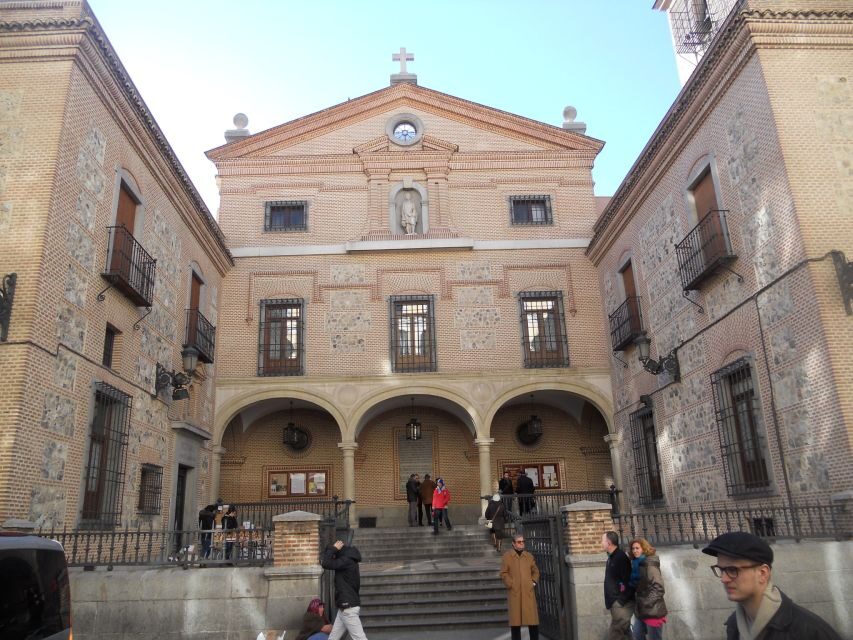
- San Ginés Monastery: a smaller stop with street-level stories
- Plaza de la Paja and the medieval square feeling
- Royal Theater and Almudena Cathedral: culture and faith in one view
- Plaza de la Villa: grounding your tour in local Madrid
- Price and value: what $47 gets you in 2 hours
- Languages and guide style: Spanish or German, with real friendliness
- What to do with your 2 hours: a practical game plan
- Who should book this Madrid City Tour
- Should you book it?
- FAQ
- Where does the tour start?
- How long is the Madrid City Tour?
- What languages is the live guide available in?
- What is included in the price?
- Are entrance fees included?
- Is there a minimum number of participants?
- What are the cancellation and payment options?
Key highlights before you go
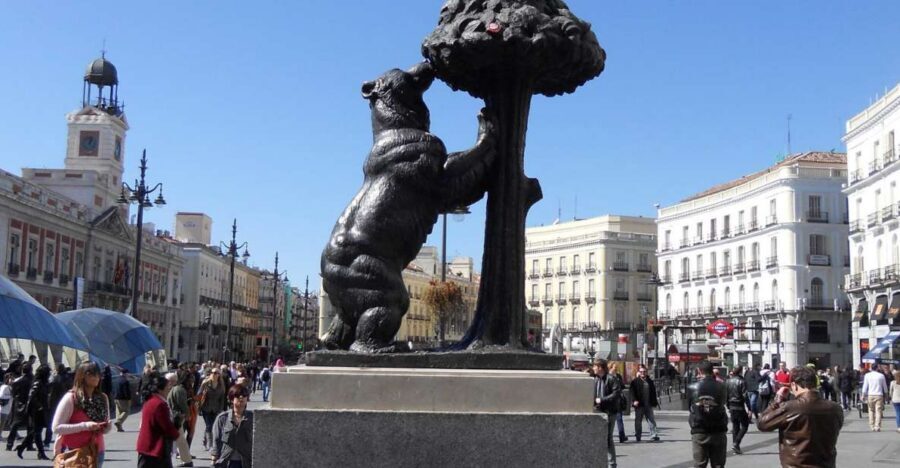
- Puerta del Sol start at the bear statue makes meeting up simple
- Hapsburg-focused route links rulers to what you’re seeing on the street
- Architect-designed walking path ties culture to the architectural details
- San Ginés and the Royal Theater give you variety beyond the usual photo stops
- Local insider tips help you plan what to do next in Madrid
Meeting at Puerta del Sol’s bear statue: your “start here” moment
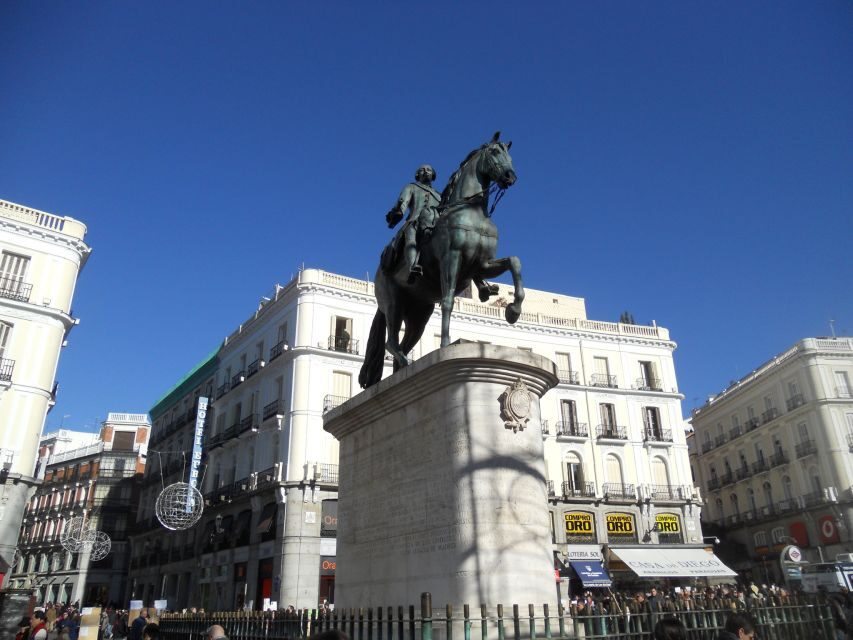
If you’ve ever shown up to a big city tour and spent 10 minutes hunting for the group, you’ll appreciate the clarity here. You meet at the bear statue by Puerta del Sol in Madrid, which is one of the city’s most central, easy-to-find points.
Puerta del Sol is also a great place to begin because it’s practical. It’s busy enough to orient you fast, but it’s not so chaotic that you feel lost within minutes. As you start walking, your guide builds a timeline in plain language, so the city doesn’t feel like a pile of monuments.
This is a walking tour with a culture-and-history goal, so don’t expect a “hop on, hop off” format. You’re meant to look at buildings, street layouts, and public squares while someone puts the pieces together. For me, that’s the difference between seeing Madrid and understanding it.
You can also read our reviews of more city tours in Madrid



Hapsburg Madrid on foot: how power shapes what you see
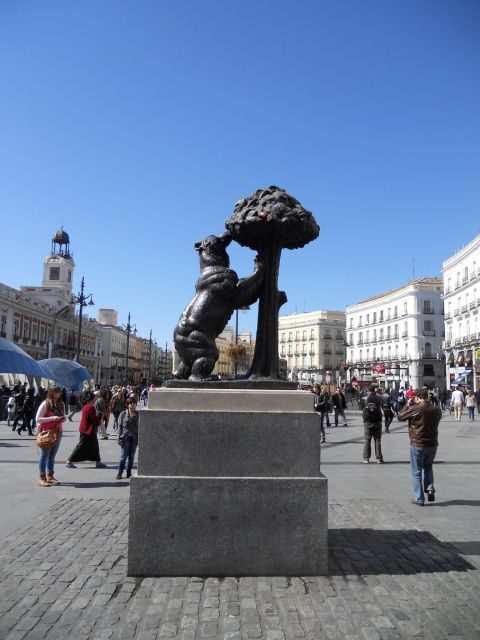
The headline theme is the Madrid of the Hapsburgs, and that matters because it changes how you read the city. The Hapsburg era isn’t just names in a book. It shows up in religious sites, ceremonial spaces, and the way architecture tries to project authority.
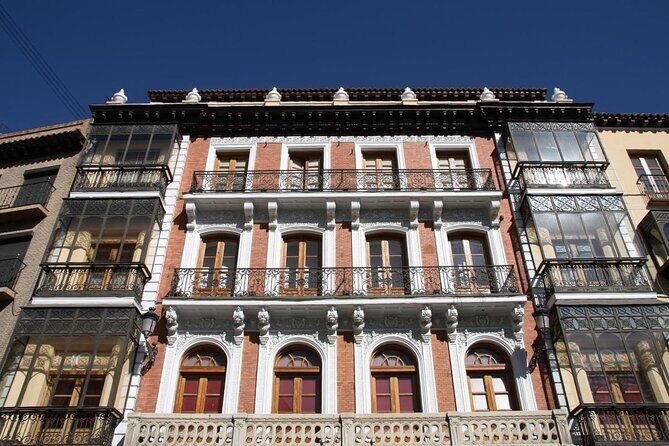
A big strength is that the route was designed by Madrilenian architects. Translation: the walk isn’t random. You’re going from one meaningful spot to the next, with stops chosen for how buildings relate to the story of the Spanish capital.
You’ll hear facts that connect past and present, not just dates. That helps when you’re trying to understand why Madrid feels a certain way compared with other Spanish cities. You’re not only looking at stone. You’re looking at decisions—what got built, where it got placed, and what it was meant to communicate.
And yes, you’ll get insider tips from locals. Those are often the moments that save you time later, like knowing where to slow down for photos, or which streets and squares are most worth lingering in.
Royal Palace area: seeing the machinery of monarchy
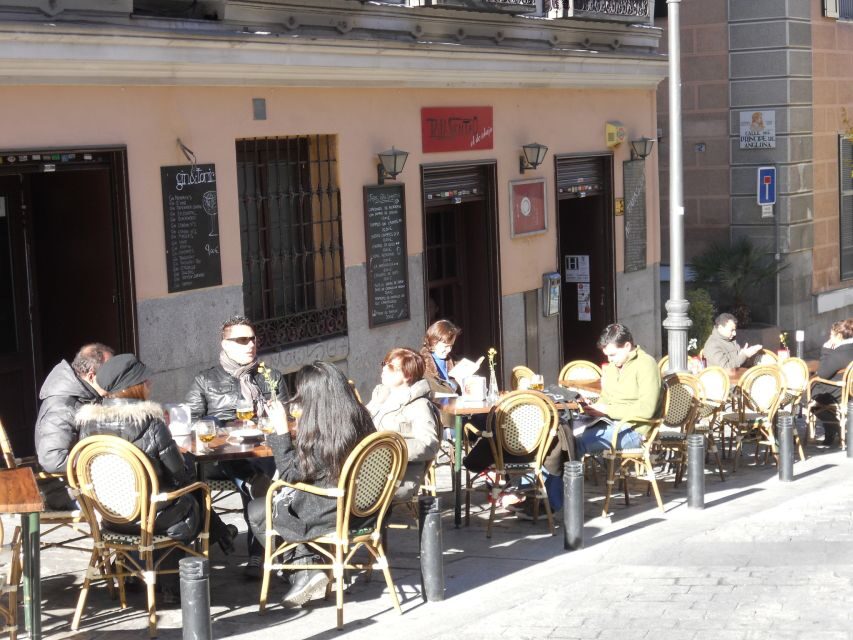
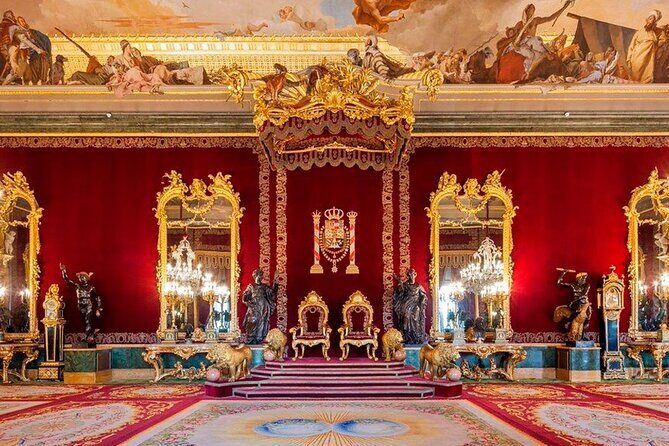
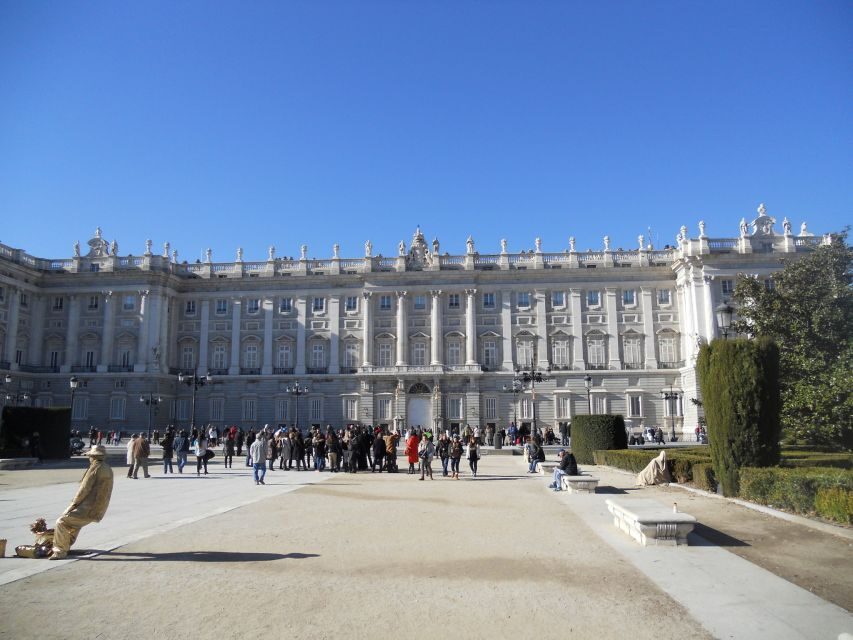
On the way to the Royal Palace of Madrid, you’ll pass key historical buildings and squares, and your guide uses that stretch to explain how the monarchy presented itself in the city.
Even if you don’t go inside, the outside view is still useful. The Royal Palace area is about scale and symbolism. You’ll notice how it sits in the urban fabric—how the surrounding spaces are built for ceremonies, viewing, and movement.
This stop works especially well on a short tour because it gives you an anchor point. After you learn what the Royal Palace represents, you’ll start seeing the same theme repeat in nearby architecture and public squares.
Practical note: since entrance fees aren’t included, treat the Royal Palace as a “see it, study it” moment. If you want the interior experience, you’ll need to buy tickets separately later.
San Ginés Monastery: a smaller stop with street-level stories
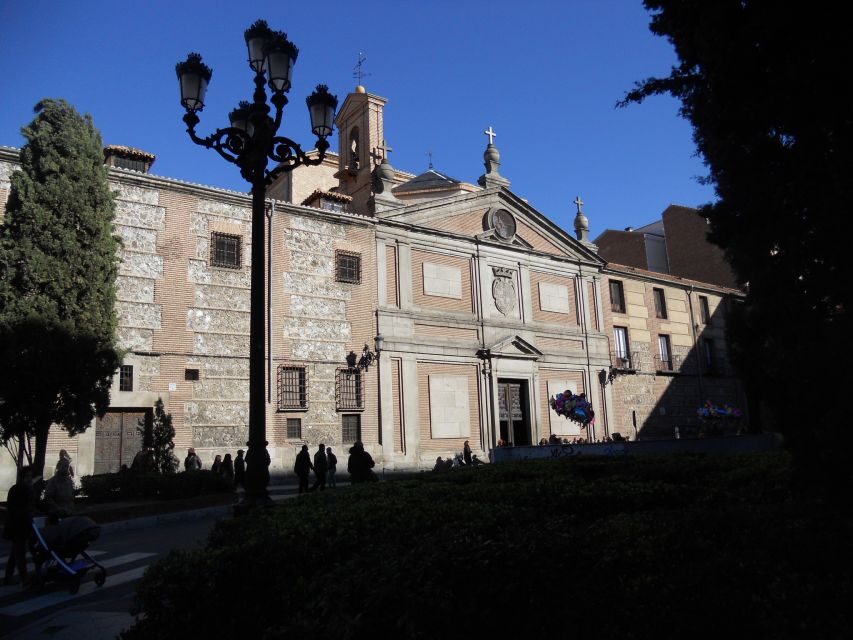
One of the smartest moves on this route is including the monastery of San Ginés on the way to the palace area. It breaks up the big-monument feeling and gives you a more intimate look at how religion and daily city life have always been tied together in Madrid.
Monasteries can feel like background scenery until someone explains what to look for. Here, your guide helps you notice the architectural value and the historical role of the site—turning a quick pass into a real learning moment.
I like this kind of stop because it keeps the tour balanced. You get the major power imagery near the palace, but you also get a sense of how faith and community spaces shaped the city across centuries.
Plaza de la Paja and the medieval square feeling
You’ll also pass historic squares, including Plaza de la Paja, described as the most important square during Medieval times. This is where the tour earns its “history” label.
Squares in older European cities weren’t just for strolling. They were where people gathered, traded, talked politics, and lived their public lives. When you’re standing in a place like Plaza de la Paja, it’s easier to imagine those rhythms because the layout still holds the memory of how the city functioned.
On a short tour, you won’t get an hour to wander. What you get instead is the right context so the square makes sense immediately. That means less time wondering and more time noticing details like building placement, street connections, and the sense of enclosure you feel in older Madrid neighborhoods.
You can also read our reviews of more historical tours in Madrid
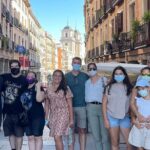

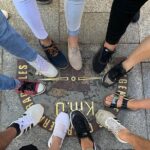

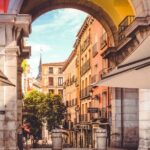

Royal Theater and Almudena Cathedral: culture and faith in one view
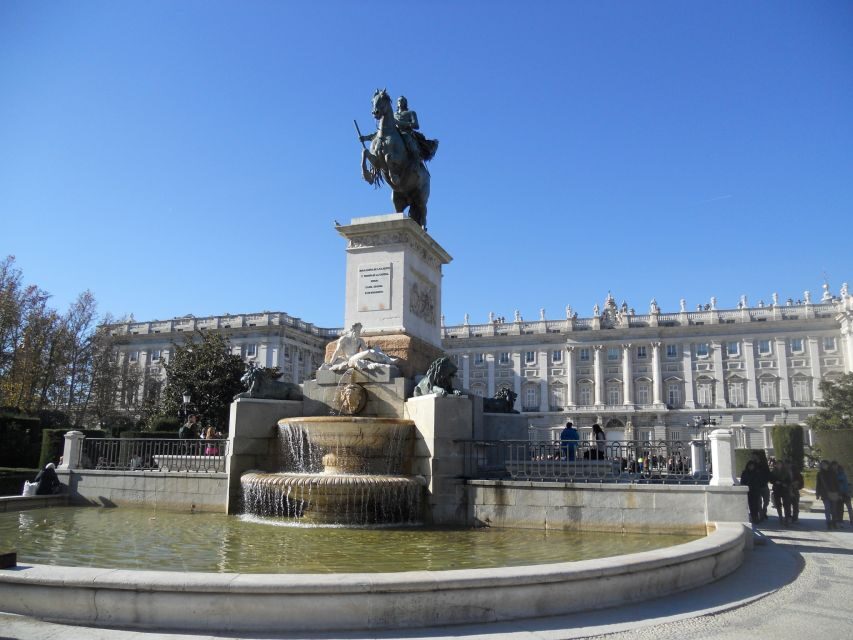
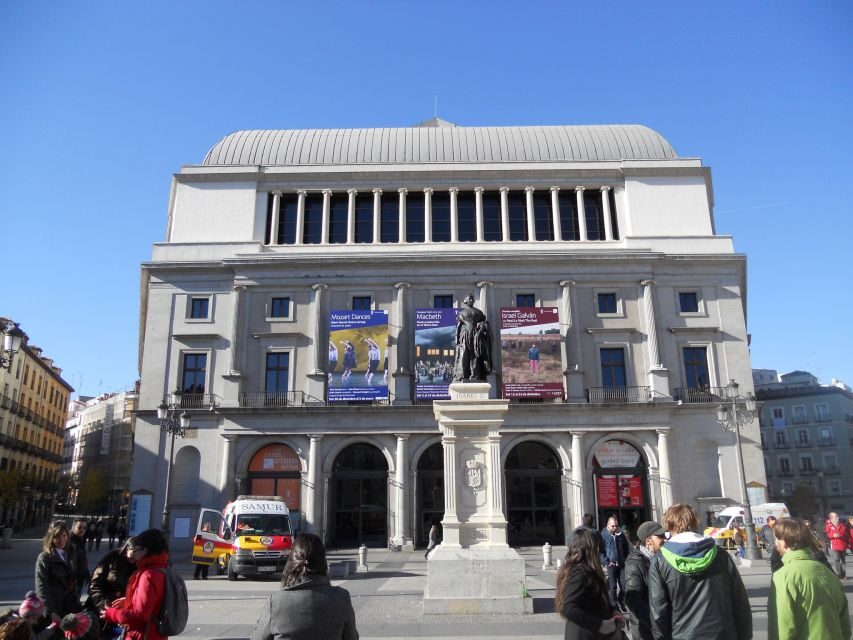
Two other highlights are the Royal Theater and the Almudena Cathedral area.
The Royal Theater is the kind of landmark that feels important even when you don’t know much about it yet. Once your guide places it in context—how Madrid expressed culture and prestige through the arts—you start looking at the building differently. It’s no longer just a façade. It becomes part of the story of how the city wanted to be seen.
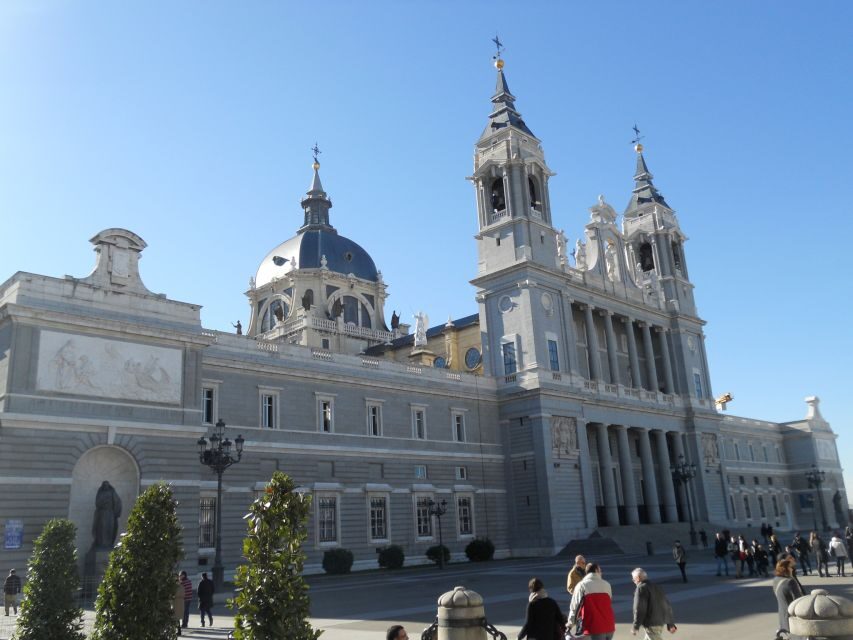
Then comes Almudena Cathedral. This is a major landmark, and it’s a good contrast point. Where the Royal Palace area reads as political authority, the cathedral reads as religious identity and monumental public faith. Even from the outside, you can connect it to the broader theme: power and belief shaping Madrid’s skyline.
Again, since entrance fees aren’t included, the value here is interpretation and orientation. You’ll walk away knowing what you saw and how it fits together, instead of just collecting photos.
Plaza de la Villa: grounding your tour in local Madrid
Plaza de la Villa is another key stop, and I like it because it brings you back to the “everyday city” side of the story. Big palaces and official buildings are impressive, but it’s the local civic spaces that help you understand how Madrid functioned as a living capital.
Your guide uses these squares to explain culture and history in a way that stays practical. That makes the tour feel like a map you can keep using after it ends.
If you’ve got a packed itinerary, this stop helps you prioritize. You’ll know which areas deserve longer walks on your own and which ones are better experienced quickly.
Price and value: what $47 gets you in 2 hours
The price is $47 per person for a 2-hour guided walk, and the value depends on what you want from Madrid in that time.
Here’s what you’re really paying for:
- A live guide who connects architecture to historical context
- Insider tips from locals (the kind that often save you time later)
- A planned route by Madrilenian architects, so the walking makes sense
What you’re not paying for: entrance fees. That’s important. If you’re hoping that this tour includes palace or cathedral entry, plan for extra ticket costs if you want those interiors.
To me, $47 feels fair when you treat it as orientation plus storytelling. If you’re the type who likes to read guidebooks or do everything solo, you might feel it’s unnecessary. But if you want Madrid explained while you’re actually standing in the right places, this is exactly the kind of short experience that can make your whole trip smoother.
Also, group size matters. The tour requires a minimum of 3 participants, and you can sometimes end up in a very small group. One small-group dynamic is often where you get more back-and-forth questions and quicker personal attention.
Languages and guide style: Spanish or German, with real friendliness
The tour runs with a live guide in Spanish and German. That matters because history tours can go two ways: either they’re informative or they’re flat. The good versions have guides who can talk like a person, not like a slideshow.
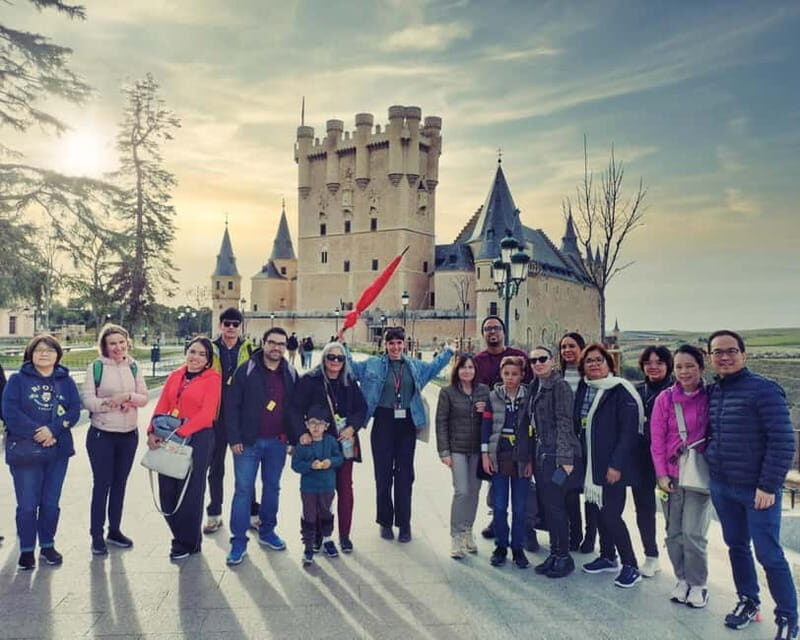
The quality you want here is clear in the way guides are described as friendly, competent, and able to make the day work even when the weather turns. On a rainy day, for example, a guide who keeps momentum and adjusts the pace can make the difference between trudging and enjoying.
So if you speak Spanish or German, pick the language that lets you relax your brain and focus on the architecture.
What to do with your 2 hours: a practical game plan
To get the most out of the tour, come with one small goal. For me, it’s usually this: by the end, I want to know what kind of Madrid I’m walking through.
As you move from Puerta del Sol toward the Royal Palace area, keep an eye out for how the guide repeats themes:
- how power wants to look
- how religion shows up in the public city
- how squares organize daily movement and gatherings
Don’t rush your photos. If you take pictures while your guide is explaining what you’re looking at, you’ll actually remember it later. And you’ll get better shots because you’ll understand where to stand.
Bring comfortable shoes. This is a walking tour, and the value is in the stop-by-stop attention, not in hopping in and out of taxis.
Who should book this Madrid City Tour
I’d book this if you:
- want a focused 2-hour history and architecture walk without committing to full museum time
- like major landmarks but also want meaning, not just photos
- prefer learning from a live guide rather than reading on the go
- are curious about Madrid under the Hapsburgs and how that shows up in real buildings and squares
I might skip it if you:
- already know this period deeply and want longer, inside access
- only care about entering monuments and don’t want to pay extra for tickets later
- need a slower pace with lots of time for individual wandering
Should you book it?
Yes, if you want fast, high-value orientation in central Madrid. The route is designed to connect culture and architecture instead of treating each stop as a random checkbox. And because entrance fees aren’t included, you’re paying for the thinking and guidance, not for ticket bundles.
If you’re the kind of traveler who likes to leave a tour with a clearer plan for the rest of your trip, this one is built for that. Start at Puerta del Sol, get the Hapsburg perspective, and let the city make sense street by street.
FAQ
Where does the tour start?
You meet at the bear statue by Puerta del Sol in Madrid.
How long is the Madrid City Tour?
The duration is 2 hours.
What languages is the live guide available in?
The live tour guide is available in Spanish and German.
What is included in the price?
Included items are the sightseeing tour, the tour guide, and insider tips from locals.
Are entrance fees included?
No. Entrance fees are not included.
Is there a minimum number of participants?
Yes. A minimum amount of 3 participants is needed for the tour to take place.
What are the cancellation and payment options?
You can cancel up to 24 hours in advance for a full refund. You can also reserve now and pay later to keep plans flexible.