REVIEW · MADRID
Madrid: Museo de la Luz Entry Ticket
Book on GetYourGuide →Operated by Museo de la Luz · Bookable on GetYourGuide
Light, turned into a playground.
The Museo de la Luz is a small, indoor light-art museum where light is the main medium—not just something you notice on the way to a real exhibit. Your ticket covers a short visit built around installations, sculptures, projections, and interactive spaces where you can experiment with color and effects. Reviews consistently point out the fun factor, especially the laser and mirror-room style moments that make you want to pose.
Two things I really like here: the way it teaches through play (you leave understanding light as an art tool, not just as something in the background), and the photo-friendly setup. There’s also a helpful, friendly staff vibe—people mention being guided into poses and even getting help with great pictures. One consideration: it’s a quick visit with a valid 20-minute entry window, so plan for a short hit, not a long museum day.
In This Review
- Key points before you go
- Museo de la Luz: A quick, playful lesson in light art
- Your 20-minute slot: what you’ll actually do inside
- Projections, laser moments, and the mirror-room photo strategy
- How to get better photos in a short time
- Staff help that makes the experience easier (and funnier)
- Price and value: is $17 a fair trade in Madrid?
- Who should book this (and who might prefer a different Madrid plan)
- Practical tips: timing, what to wear, and keeping it smooth
- Should you book Museo de la Luz in Madrid?
- FAQ
- How long is the Museo de la Luz entry ticket valid?
- What’s included with the ticket?
- Is entry guaranteed if I arrive late?
- Can I cancel for a full refund?
- Is the museum wheelchair accessible?
- Are children allowed?
Key points before you go
- Light art in a 20-minute window: short, focused, and ideal for a break from big-ticket sights.
- Projections, laser effects, and colored-light games: you’ll see multiple visual styles, not just one trick.
- Hands-on interactive spaces: you can experiment rather than only look.
- Staff who help with photos: they’ll suggest poses and help you get better results fast.
- A small indoor stop with big “wow” visuals: great when Madrid weather or your schedule is unpredictable.
Museo de la Luz: A quick, playful lesson in light art
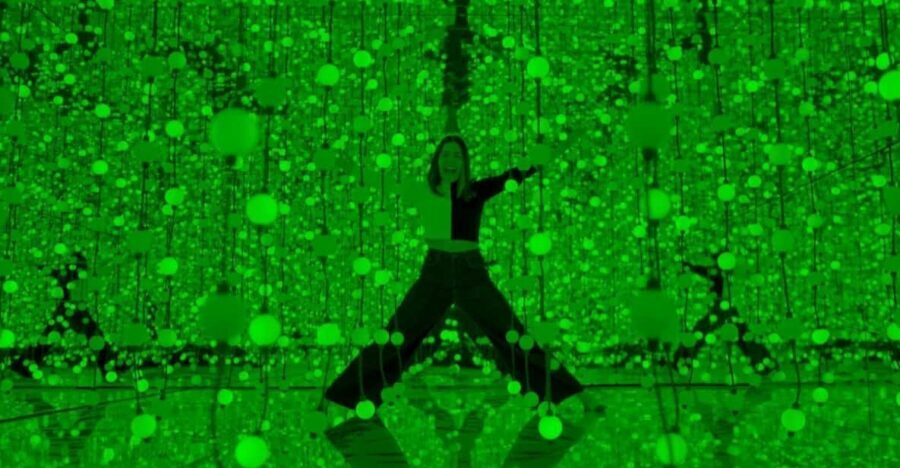
Madrid is packed with classic museum giants. This one is different. The Museo de la Luz is built around a simple idea: if you control light—color, intensity, direction—you can shape emotion and meaning the same way an artist shapes a painting.
You’re not spending hours reading labels. Instead, you move through spaces that use light as the material. Think projections and visual effects that change how a room feels, plus installations and sculptures where the lighting itself becomes part of the artwork. The museum also references the evolution of light and how it’s been used to create new kinds of impact on art, so it lands as both educational and entertaining.
I like that the experience doesn’t ask you to be an expert. You don’t need art theory to have a good time. You just need to show up, follow the time slot, and let your eyes do the learning. If you like interactive activities and are willing to play a little, this place fits.
You can also read our reviews of more tours and experiences in Madrid

Your 20-minute slot: what you’ll actually do inside
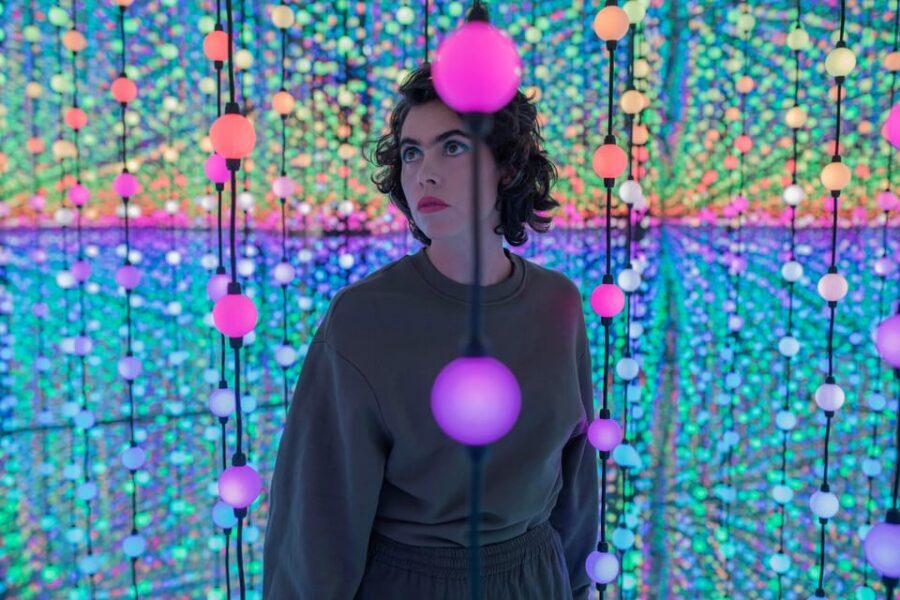
Your ticket is valid for 20 minutes. That matters because this isn’t a slow museum stroll. The goal is to keep the energy up, get you into the lighting spaces, and help you capture the moments before the session ends.
When you arrive, plan to show up five minutes early or at your scheduled entry time. That’s not just busywork. The museum asks for this timing so you can enter smoothly. Also note the rule: if you arrive more than 20 minutes late, entry is not guaranteed. So, don’t gamble on being “fashionably late” here.
Inside, the flow is basically:
- You start with a warm welcome and a brief introduction from reception staff, the kind that helps you know what’s coming next.
- Then you move into the main areas: projections and installations, followed by interactive and photo-friendly rooms.
- The experience is short enough that you can feel like you’re in-and-out with the best highlights captured, rather than exhausted by decision fatigue.
Even if the ticket says 20 minutes, the experience often feels like it lasts longer because you’re switching visual modes constantly. You’re not just looking at one scene; the room effects and lighting changes keep resetting your attention. That’s a big part of why people rave about it as a “quick interactive experience” rather than a serious, sit-down museum day.
Projections, laser moments, and the mirror-room photo strategy
If you like visual effects museums, you’re going to get what you want here. The strongest themes are light projections, laser-style visuals, and colored-light setups that look great on camera.
A mirror-room style experience shows up in multiple comments, along with laser effects. The result is that you can create images with reflections and color layers without needing complex staging. You get that “whoa, how is that possible” feeling, but it’s all right there for you in the space.
Then there are the colored-light games. These aren’t described with exact technical details, but the point is clear: you interact with light in a playful way, so the art becomes partly about you moving through it. If you’ve ever felt awkward in museums because you don’t know where to stand, this place quietly fixes that problem. The lighting makes certain positions naturally better.
One review also mentions a hoist that they found excellent. Since it’s part of the setup, it likely ties into how people can access or experience certain areas during the session. The takeaway for you: the museum is built to be a little theatrical. This isn’t just a quiet gallery. It’s designed to help you experience light in a physically guided way.
How to get better photos in a short time
You don’t need to be a photographer. You just need a plan for a fast session:
- Arrive early so you’re not rushed when the best lighting moments start.
- When staff are offering help, take it. Several reviews mention staff recommending the best poses and helping with photos.
- Don’t try to do everything at once. Hit one lighting area cleanly, then move on.
That’s the difference between leaving with a couple blurry shots and leaving with images you actually like.
Staff help that makes the experience easier (and funnier)
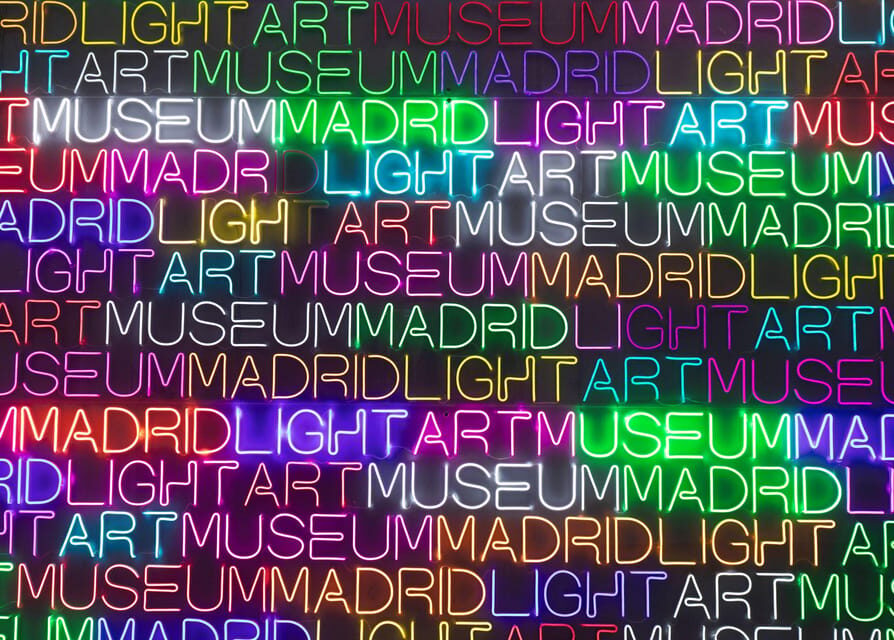
This is one of the friendliest short museum experiences I’ve come across in terms of practical support. The reception staff are described as welcoming and giving a solid introduction. And throughout the visit, people mention help with posing and taking pictures.
Here’s why that matters: short attractions live or die by how quickly you can figure out what’s happening. If you’re confused about where to stand or how to work with the light effects, you lose the best moments. Staff guidance fixes that in real time.
There’s also a consistent theme that the staff are helpful and sometimes even fun—so the museum doesn’t feel stiff or overly “art-schooled.” It feels like you’ve joined a small production where everyone wants you to leave with something you’ll show friends.
And yes, the photo help is legit. One comment specifically highlights staff taking photos and recommending poses that produced some of their favorite shots. That’s the kind of support that turns a ticket into a real memory, not just a place you walked through.





Price and value: is $17 a fair trade in Madrid?
At $17 per person for a 20-minute entry window, you should think of this as a paid break—short, highly visual, and designed for experiences rather than long exploration.
So is it worth it? For me, it’s a good value if:
- You want a quick indoor activity in Madrid that doesn’t require a full afternoon.
- You care about interactive art and photo moments.
- You like light effects and simple, playful learning.
A couple reviews also call out that the place is small and 20 minutes can be enough to see everything. That’s not a dealbreaker. It’s actually useful information for your planning. It means you’re unlikely to feel trapped in a long, repetitive loop.
Where value gets tricky is if you’re expecting a large, slow museum with lots of rooms to wander. This isn’t that. It’s a compact experience with strong highlights. Think “light show meets interactive art rooms,” not “museum marathon.”
Also, the overall rating is strong (4.3 from nearly 500 reviews), which usually signals that most people leave happy—especially those who show up ready to participate and take photos.
Who should book this (and who might prefer a different Madrid plan)
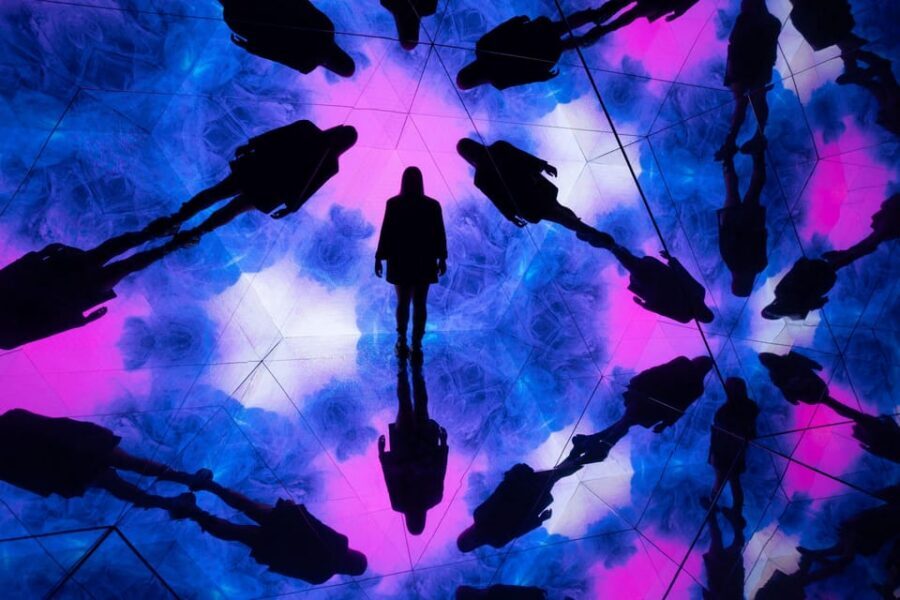
This fits best for:
- Families with kids, since the museum is friendly for all ages and specifically notes that children must be accompanied by an adult.
- Solo travelers who want something fun without needing a group tour. One person even mentions enjoying it alone.
- Couples who want a low-stress indoor activity plus photos you can actually use.
- Anyone planning an itinerary with downtime: this is easy to slot in when your legs need a break.
It may be less ideal for you if:
- You need a long museum experience to feel like you “did Madrid.”
- You hate interactive, photo-oriented spaces and prefer quiet galleries.
- You’re likely to run late often. The late-arrival rule matters here.
For most people, though, it’s an excellent “swap” day item: you trade a little time for a lot of visual impact.
Practical tips: timing, what to wear, and keeping it smooth
Here’s how to make the visit painless.
Timing is the whole game. Arrive five minutes early or right at your entry time. If you’re late by more than 20 minutes, entry isn’t guaranteed. This is a timed entry place, so treat it like one.
Go prepared for photos. Wear something you’re comfortable moving in. Even if the museum doesn’t ask you to sprint, you’ll likely be turning, stepping, and changing positions for different light effects and reflections.
Ask staff for help early. If you want better photos, it’s smart to take guidance when offered. The museum staff are described as helpful with posing and picture tips, and you’re on the clock.
Plan for indoor comfort. Reviews describe it as an indoor activity, which makes it a solid option when you need a break from weather or heat.
Wheelchair accessible. The museum is listed as wheelchair accessible. If you need assistance, it’s a good idea to arrive on time so staff can guide you smoothly into the spaces.
Finally, if you’re a fan of fresh exhibits, keep in mind the museum hosts temporary exhibitions and special events. That means the exact vibe may change, even though the overall light-art format stays the same.
Should you book Museo de la Luz in Madrid?
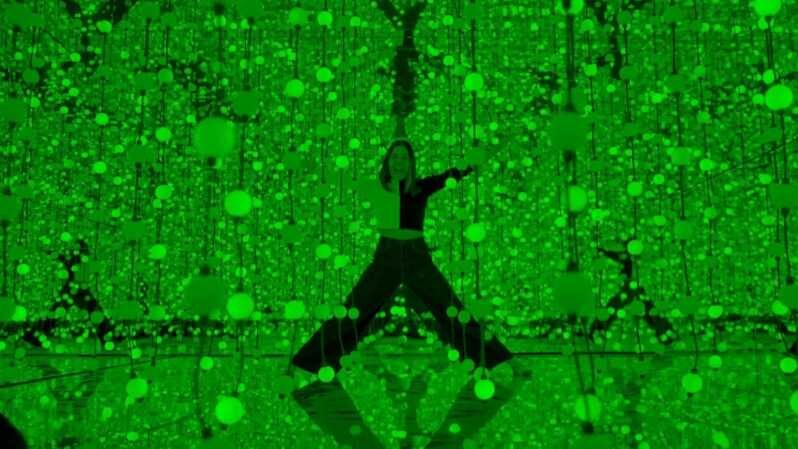
Yes—if you want a short, energetic, photo-friendly experience that turns light into art you can understand quickly. I’d book it if your schedule has space for a compact indoor stop and you’re excited by projections, lasers, and interactive color moments.
Skip it (or rethink timing) if you want a big museum day, if you strongly dislike interactive photo spaces, or if you know you’ll likely miss the entry-window timing. In short: this is a great use of 20 minutes. It’s not trying to replace an entire museum itinerary.
If you’re planning a Madrid day with a mix of classic sights and modern fun, this is one of the easiest “value-added” stops you can add.
FAQ
How long is the Museo de la Luz entry ticket valid?
The ticket is valid for 20 minutes. You’ll want to enter and enjoy within that time window.
What’s included with the ticket?
The ticket includes the Museo de la Luz entry and interactive exhibits.
Is entry guaranteed if I arrive late?
Entry is not guaranteed if you arrive more than 20 minutes after your scheduled time. Aim to arrive five minutes early or right on your entry time.
Can I cancel for a full refund?
Yes. You can cancel up to 24 hours in advance for a full refund.
Is the museum wheelchair accessible?
Yes. The experience is listed as wheelchair accessible.
Are children allowed?
Children are allowed, but they must be accompanied by an adult at all times during the visit.