REVIEW · MADRID
Madrid: Paella & Tapas Cooking Class and Market Visit
Book on GetYourGuide →Operated by Devour Tours · Bookable on GetYourGuide
Paella has a backstory, not just a recipe. This market-and-kitchen class strings together a neighborhood market stop and hands-on cooking in a private space, so you start with real ingredients and end with a full lunch you made yourself. I especially like the sweet vermouth aperitif and the way the class turns Spanish food from abstract into practical, step-by-step know-how.
One important drawback to plan for: this experience isn’t suitable for vegans, people with celiac disease, or anyone with lactose intolerance. If you fit the dietary and mobility guidelines, the payoff is big, with a friendly chef (often listed as Danny or Chef Daniel) guiding a small group through croquetas and authentic paella Valenciana, plus crema catalana.
In This Review
- Key highlights you’ll feel in your meal
- A 3.5-hour market-to-paella path in central Madrid
- Where you meet at Plazuela Anton Martín (and how not to miss it)
- The market visit: shopping with vendors who know what matters
- Sweet vermouth aperitif plus a Basque tapa starter
- Hands-on croquetas: learning technique, not just ingredients
- Valencia paella Valenciana: how the chef teaches authenticity
- Crema catalana: a dessert finish with a chef’s timing
- What you actually eat (and what’s included)
- Price and value: does $108 make sense?
- Small-group cooking: pace, comfort, and practical limitations
- Who this Madrid class is best for
- Should you book this paella and tapas cooking class?
- FAQ
- How long is the cooking class?
- Where does the tour meet?
- Is hotel pickup included?
- What’s included in the price?
- What language is the tour in?
- Can the class accommodate dietary restrictions?
- What should I bring and wear?
Key highlights you’ll feel in your meal
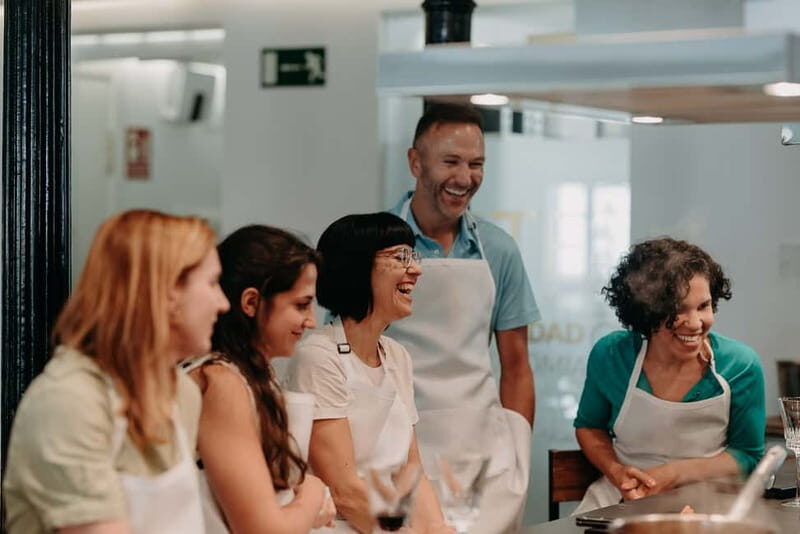
- Market shopping that actually informs the cooking with fresh Spanish ingredients from a historic local market
- Sweet vermouth in the kitchen before you start, giving you a taste of how Spaniards do the first round
- Basque-style tapa and cheese plate prep to kick things off in a grounded, regional way
- Hands-on croquetas and paella Valenciana taught in a private, restaurant-style kitchen setting
- Crema catalana at the end, with you watching the chef prep it before you eat
A 3.5-hour market-to-paella path in central Madrid
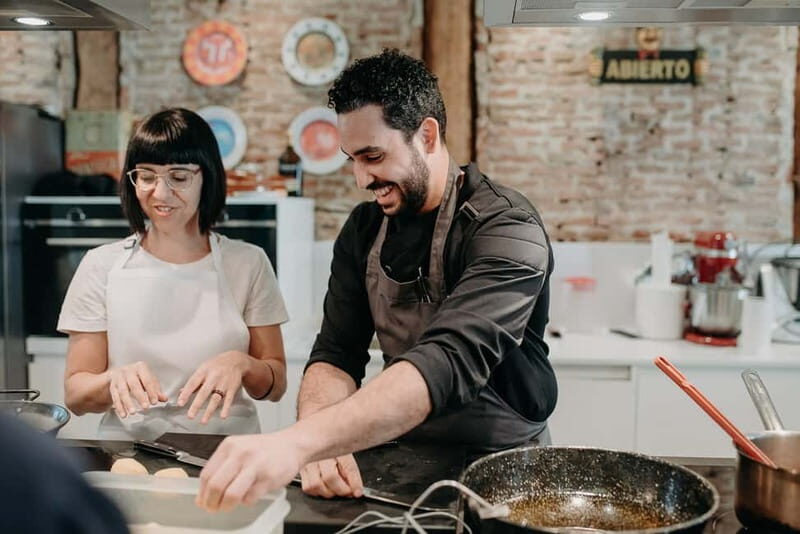
This tour is built like a good Spanish meal: start with ingredients, add flavor, then get to the main event without rushing the story. You’re in Madrid’s Community of Madrid region, meeting in a historic area and cooking in a private kitchen reserved for your small group.
The time window is tight but realistic. In about 3.5 hours, you’ll shop, eat an aperitif, cook several items, and sit down for lunch and dessert. That’s the kind of format that works well if you want something authentic without burning half a day in transit.
You can also read our reviews of more shopping tours in Madrid


Where you meet at Plazuela Anton Martín (and how not to miss it)
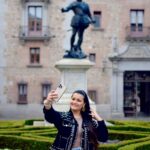
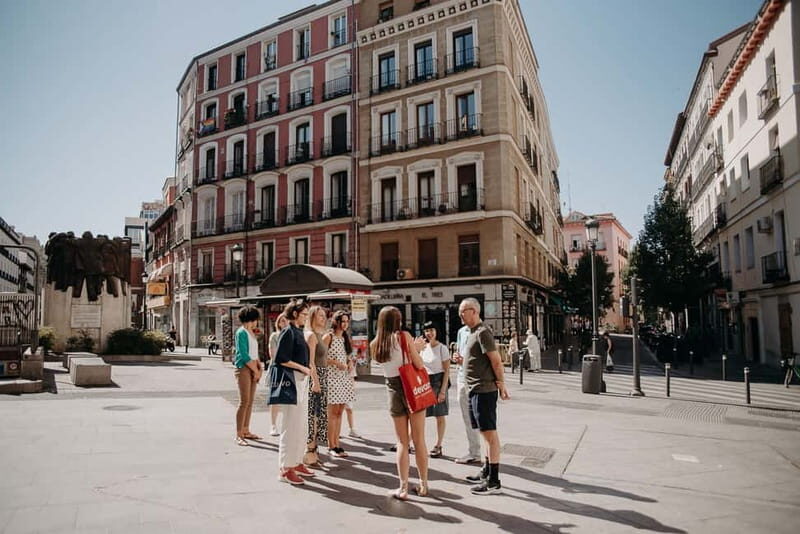
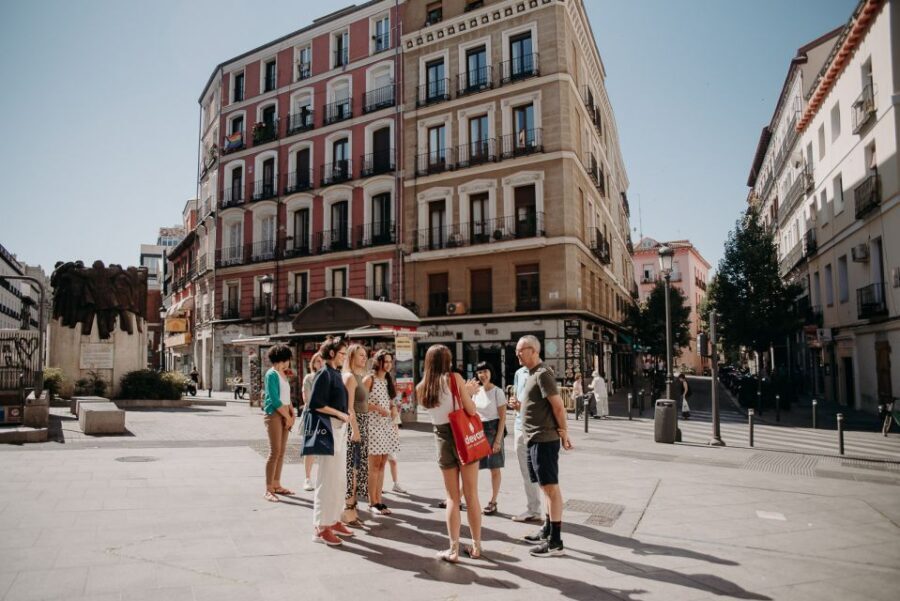
You meet at Plazuela Anton Martín 28012 by the statue of El Abrazo (the Hug). Arrive 15 minutes early so you can find the group easily.
Your guide will be holding a red bag or a Devour Tours sign, and the tour runs in English. This matters more than you might think: the market conversation and the cooking tips move quickly, so arriving on time helps you catch the details rather than playing catch-up.
The market visit: shopping with vendors who know what matters
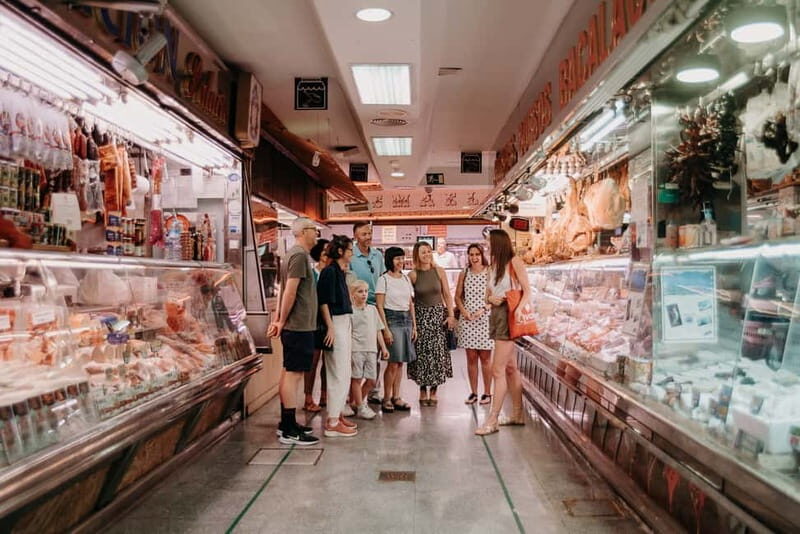
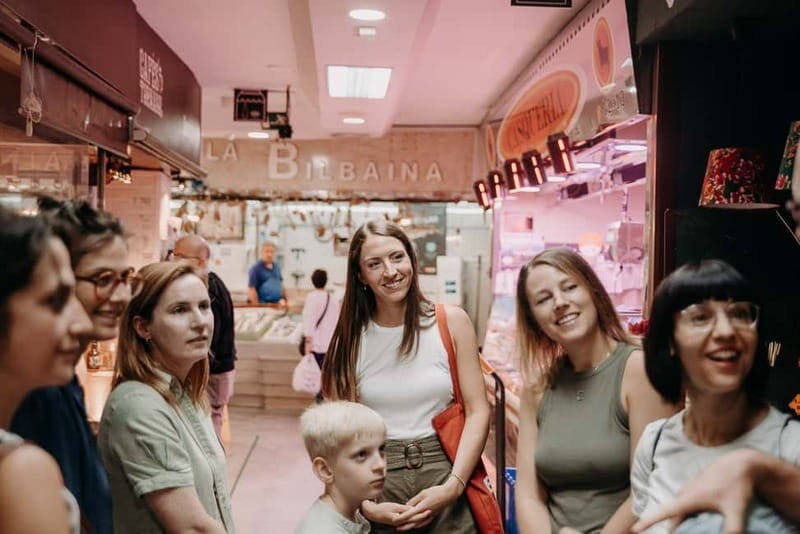
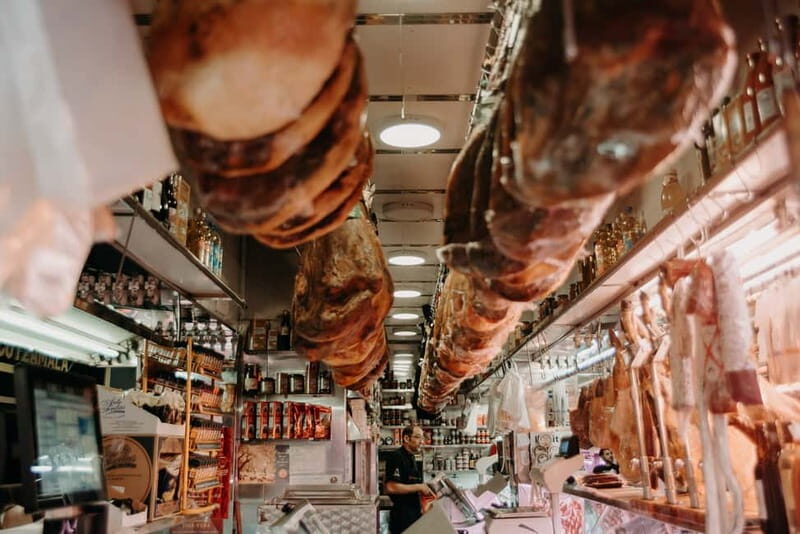
The class begins near one of Madrid’s most historic markets, where neighborhood shoppers have been coming for generations. You step into that world and look at Spanish food the way locals do: ingredient first, recipe second.
What you do here is simple but powerful. You chat with vendors, then pick up high-quality items that become the building blocks for what you cook later. I like this approach because it removes guesswork at home. When you understand what you’re buying and why, you can recreate the flavor logic long after you leave Madrid.
You should expect the market to set the tone. It’s not just a scenic walk. It’s an ingredient scouting session that makes the kitchen part click when you finally see (and taste) what those foods become.
Sweet vermouth aperitif plus a Basque tapa starter
Once you’re back in the kitchen, the class starts with an aperitif of sweet vermouth. This is one of the most fun parts for first-timers because it’s distinctly Spanish, and it sets your palate before the cooking begins.
You’ll assemble a cheese plate and a traditional tapa from the Basque region. This isn’t a random sampler. It’s a quick, practical intro to how tapas work: small plates, clear flavors, and a rhythm that carries into the meal that follows.
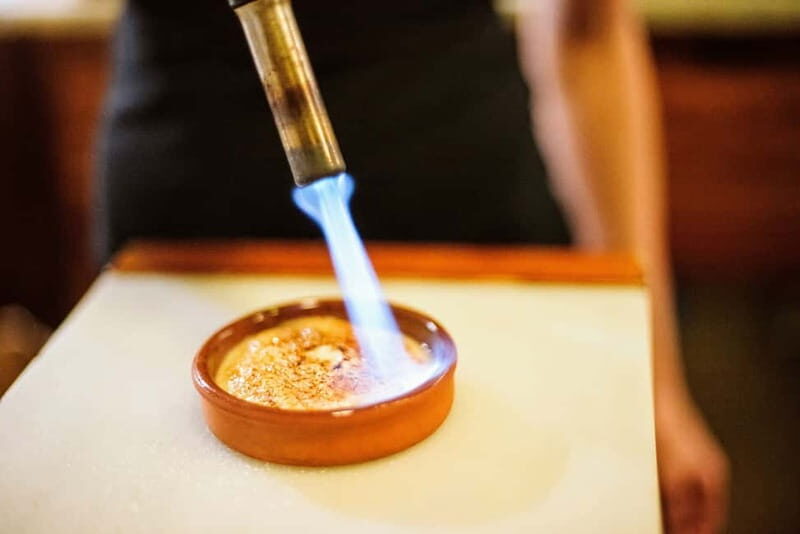
While you’re snacking, you’ll also observe the chef as they prep crema catalana for later. Watching that dessert prep gives you a feel for timing and texture, so when it lands at the end, you’ll know what you’re looking for.
Hands-on croquetas: learning technique, not just ingredients
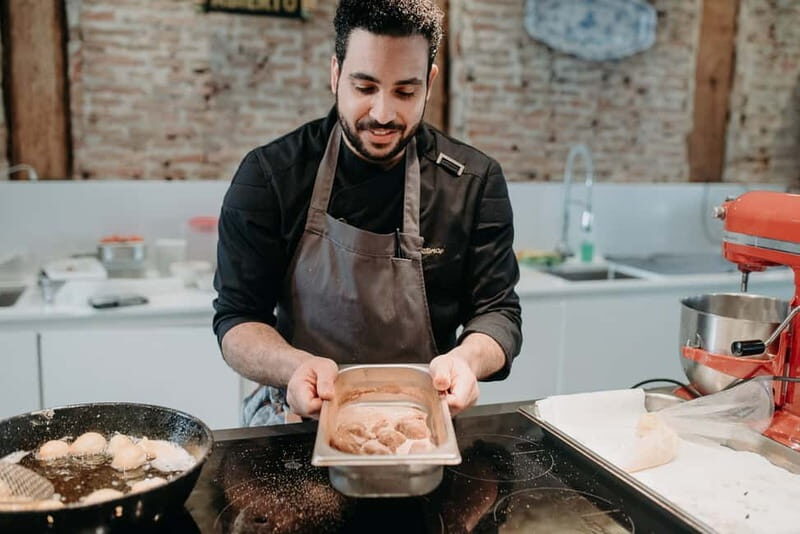
After the starter, you move into the real work. In your small group, you’ll prepare a second tapa: homemade croquetas.
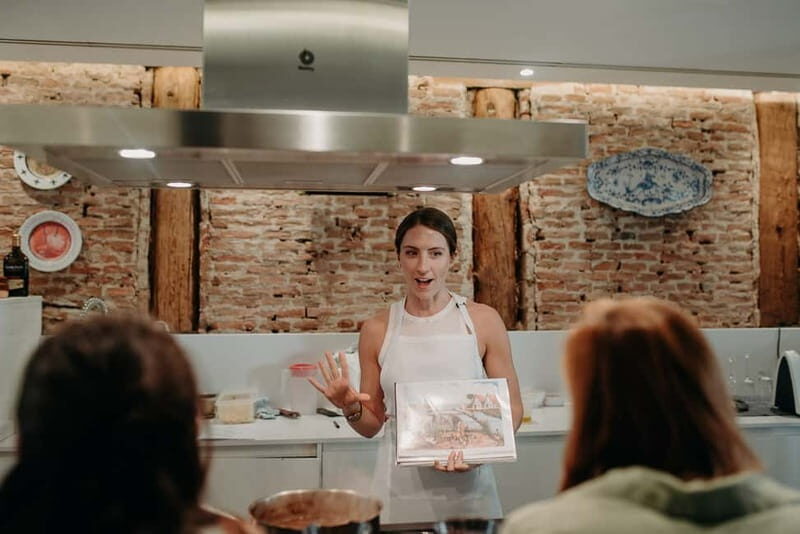
Croquetas are one of those dishes people talk about like they’re complicated, but the trick is knowing what matters in the process. The chef’s job here is to turn a vague idea into a series of actions you can repeat. You’ll smell and handle the ingredients, then cook with guidance so you’re not just copying motions—you’re learning what makes the result right.
This is also where the class earns its high marks. Reviews highlight the instruction quality, and one key detail stands out: the class provides a PDF cookbook with recipes and guidance. That’s not just a nice extra. It’s what helps you recreate the dishes without trying to remember every step from scratch.
You can also read our reviews of more tours and experiences in Madrid
Valencia paella Valenciana: how the chef teaches authenticity
Then comes the main event: authentic paella from Valencia. You’re not just eating it—you’re making it, and you’ll get explanations along the way.
One especially useful part of the teaching is how to spot true paella Valenciana. That kind of guidance is gold because “paella” can mean different things depending on where you are. When someone explains the markers of authenticity, you stop treating paella as a single recipe and start understanding it as a style with expectations.
You’ll also hear the history behind paella, but the focus stays practical. The goal is for you to connect the story to the cooking decisions: ingredients, method, and the overall logic of what you’re aiming for when you cook at home.
Crema catalana: a dessert finish with a chef’s timing
At the end of the class, you eat the crema catalana the chef has prepared for you. Earlier, you’ll observe the chef prepping it, which helps you understand the flow: dessert is part cooking, part timing, and part knowing when it’s ready.
Crema catalana is a classic choice for a reason. It’s a sweet finish that feels Spanish but also fits right after a heavier savory meal. If you’re the type who loves to end a meal with one confident, well-made dessert, you’ll appreciate how cleanly this tour lands the final course.
What you actually eat (and what’s included)
Your lunch includes the dishes cooked in class, and you’ll enjoy your homemade meal in a sit-down setup with your group. Drinks are included, with a choice of beer or wine.
Before that lunch, you’ll have already started with the vermouth aperitif and tapas-style components (including a cheese plate and a Basque tapa). Then you add croquetas and paella, finishing with crema catalana.
This matters for value. If you’re paying for a cooking class but not actually getting full, satisfying food, it can feel thin. Here, the structure is different: you leave having eaten what you made, not just sampled a bite.
Price and value: does $108 make sense?
At $108 per person, this isn’t a cheap activity, but it also isn’t overpriced for what you get. You’re paying for far more than cooking instructions.
What’s included:
- the market visit
- a traditional aperitif (sweet vermouth)
- the cooking class itself
- lunch (what you cook)
- drinks
That package shifts the value from cost-per-hour to cost-per-experience. You get a meal out of it, plus ingredient guidance from the market and chef instruction in a private kitchen. And the PDF cookbook mentioned in reviews turns the experience into something you can reuse after the tour.
If you like structured, hands-on food days, it’s a strong deal. If you’re the type who just wants to taste without doing any cooking, you’d likely feel this is more work than you want—so be honest about your style.
Small-group cooking: pace, comfort, and practical limitations
This tour happens in an upscale private cooking space, reserved for a small group. That’s a big deal for your experience because it affects how much attention the chef can give you. In a small group, you’re more likely to get corrections and timing tips instead of standing back and hoping you’re doing it right.
Still, there are real practical limits. It’s not suitable for guests with mobility impairments, wheelchairs, or strollers. Also, due to sharp knives, hot stoves, and high surfaces, it’s not suitable for children under 12.
Dietary fit is the other major factor. The class can be adapted for vegetarians, pescatarians, gluten free (not celiacs), non-alcoholic options, and pregnant women. But it isn’t suitable for vegans, people with celiac disease, or guests with lactose intolerance. If you’re on any of those tighter diets, you’ll want to contact the provider in advance so they can tell you what’s possible with their ingredient plans.
Who this Madrid class is best for
I think this is a great fit for:
- food lovers who want a hands-on day, not a walking-and-snacking tour
- travelers who want Spanish cooking basics with clear guidance and recipes to take home
- couples and small groups who enjoy cooking alongside strangers and turning it into a shared lunch
- anyone who likes the market-to-meal setup because it makes the food feel grounded
If you’re traveling with mobility challenges, have strict dietary needs (especially vegan/celiac/lactose intolerance), or you’re bringing kids under 12, this probably won’t work. In those cases, you’ll have a better time picking a format that’s designed for your needs.
Should you book this paella and tapas cooking class?
Book it if you want to learn by doing—market ingredients, tapas technique, then paella Valenciana—with a real chef in a real kitchen setting. The combination of sweet vermouth, croquetas, and paella, plus crema catalana at the end, makes it feel like an evening you’d actually want to repeat at home.
Skip it if your dietary situation conflicts with the restrictions (especially vegan, celiac disease, or lactose intolerance). Also skip if you need stroller access or wheelchair-friendly conditions.
If you can do the cooking and you’re in the mood for a guided food day with strong recipe takeaways, this is the kind of Madrid experience that pays off in memory and in your future dinner plans.
FAQ
How long is the cooking class?
The experience lasts 3.5 hours. Starting times vary, so you’ll want to check availability for the specific time you’re considering.
Where does the tour meet?
Meet at Plazuela Anton Martín 28012 by the statue of El Abrazo (the Hug). Arrive 15 minutes early, and look for your guide holding a red bag or Devour Tours sign.
Is hotel pickup included?
No. Hotel pickup and drop-off aren’t included, and the activity ends back at the meeting point.
What’s included in the price?
The price includes a tour guide, a market visit, a traditional aperitif, the cooking class, lunch (the dishes cooked in class), and drinks.
What language is the tour in?
The tour is in English.
Can the class accommodate dietary restrictions?
It can be adapted for vegetarians, pescatarians, gluten free (not celiacs), non-alcoholic options, and pregnant women. It isn’t suitable for vegans, celiac disease, or lactose intolerance, and those with gluten intolerance should note it isn’t suitable.
What should I bring and wear?
Wear comfortable shoes. The experience involves a working kitchen with sharp knives and hot stoves, so dress for safe, steady movement.