REVIEW · MADRID
Ribera del Duero wine region private tour
Book on GetYourGuide →Operated by Wine Tour Madrid · Bookable on GetYourGuide
Madrid to wine country is a good day trade. This private Ribera del Duero tour is built around one grape—Tempranillo—and two very different ways to make it taste like a place. You get winery access, guide-led tastings, and the kind of underground cellar time that turns wine geography into something you can actually smell.
I like how the day mixes serious wine talk with real human access. At one stop you’ll tour a modern, design-forward winery and hear how grapes are grown in tough conditions, then taste wines that show what different barrel choices can do. At the other stop, you’ll step into a subterranean cellar at a family winery tied to the Ribera del Duero D.O.—and you’ll hear the story from the people running it.
One thing to keep in mind: the winery pair can be sensitive to what the operator plans on the day. One past guest flagged that tour photos can make it look like specific wineries will be visited, but the day’s stops were different. I’d suggest you confirm the exact wineries with the company before you go, especially if you’re aiming for a particular brand.
In This Review
- Key points I’d prioritize before booking
- Ribera del Duero from Madrid: what the day is really about
- Morning ride from Madrid: planning your day around travel time
- Stop 1: a modern winery, avant-garde architecture, and barrel choices in the subway cellar
- Stop 2: a family winery, 16th-century roots, and the Ribera D.O. cellar world
- Temperatures, cellars, and tastings: how to read what you’re drinking
- Lunch in a Castilian village: food, views, and wine-country calm
- What you actually get for $412 per person
- Private group pacing: when this tour fits best
- Should you book this Ribera del Duero private tour?
- FAQ
- How long is the Ribera del Duero private tour from Madrid?
- Where do you get picked up, and is drop-off included?
- How many wineries do you visit?
- What language is the tour guide?
- Is lunch included?
- What should I bring?
- Is there a cancellation option?
Key points I’d prioritize before booking
- Two wineries, two styles of Ribera del Duero Tempranillo so you can spot what changes the flavor
- Subway/subterranean cellar time where barrels age under stable, ideal conditions
- Owner and winemaker access for practical answers about farming, aging, and blending
- Full lunch in a Castilian village with a wine-cellar hill and panoramic views
- English/Spanish bilingual guide with enough expertise to translate the wine process clearly
Ribera del Duero from Madrid: what the day is really about
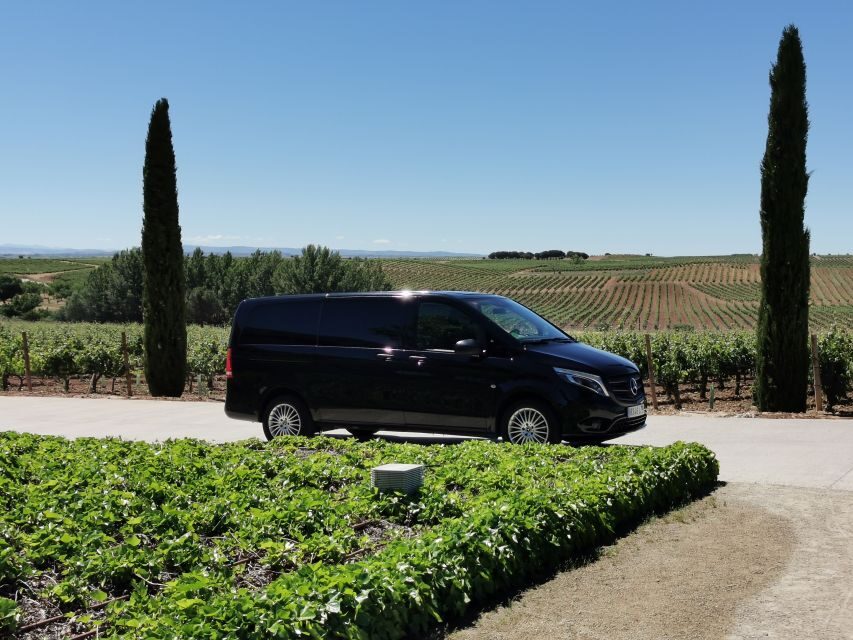
This tour is designed for one goal: help you understand Ribera del Duero without turning it into a classroom lecture. You’ll spend most of the day moving between two wineries that represent contrasting approaches to Tempranillo. Then you’ll connect those tastings to what you learn about aging and the cellar environment.
Ribera del Duero has a reputation that goes beyond Spain now. It’s one of the region’s big reasons for the “international” feel: winemaking here has been making waves for years, and the grape is showing up on more tables outside the country. What I like about the tour is that it doesn’t stop at bragging. You’ll see the infrastructure—modern buildings and underground cellars—and you’ll taste how those choices land in the glass.
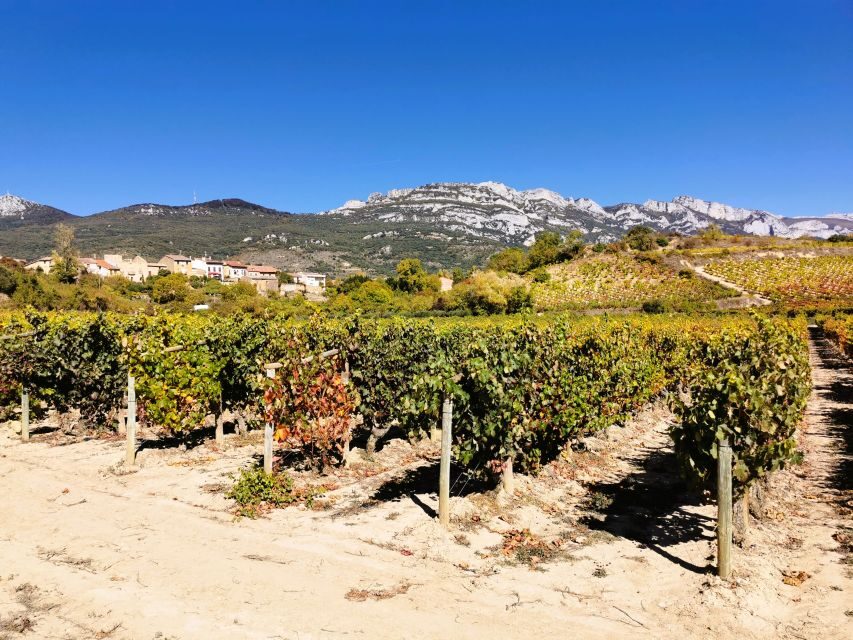
You’re also in a region shaped by extremes. The guides talk about cultivation in harsh conditions, and it shows up in the wine style: this is not the easy-going, fruit-forward world. Expect structure, aging potential, and a sense that the climate is part of the recipe.
You can also read our reviews of more private tours in Madrid



Morning ride from Madrid: planning your day around travel time
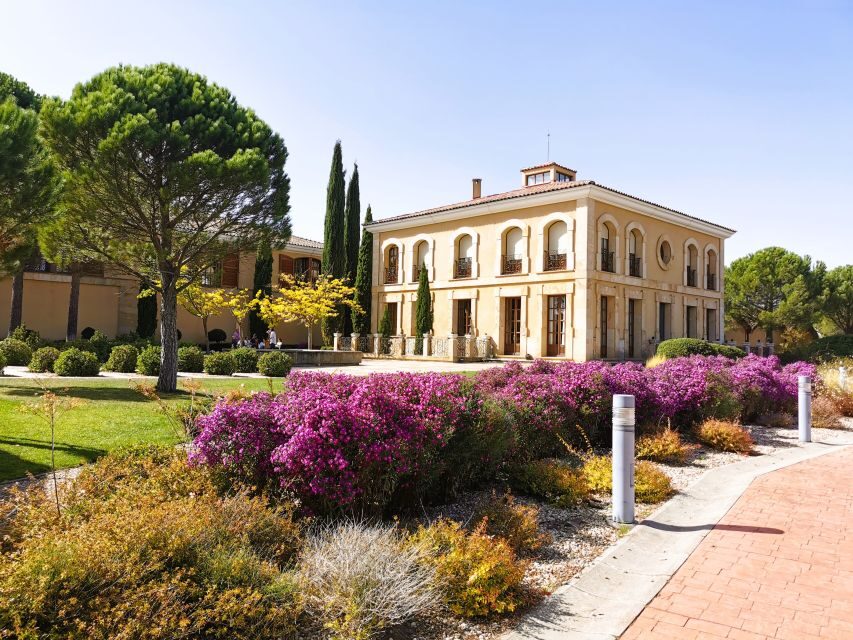
Pickup is in Madrid, and you’ll head to Ribera del Duero by van. The drive listed is about 105 minutes in one direction, so this is not a quick “popsicle-and-wine” add-on. It’s a full day: you’ll be out roughly 10 hours total, with a return drive noted around 1.5 hours.
That travel time matters because it shapes pacing. You’ll want a calm morning, not a rushed one where you’re sprinting between appointments. If you’re coming from a busy sightseeing day in Madrid, I’d treat this like your main event: start early, keep your schedule light, and wear comfortable shoes because winery spaces can mean lots of walking and stairs.
One practical tip: bring a light layer. Even if the outside air feels warm, underground cellars often stay cool. You won’t want to be stuck adjusting your clothing while you’re trying to focus on aromas and tastes.
Stop 1: a modern winery, avant-garde architecture, and barrel choices in the subway cellar
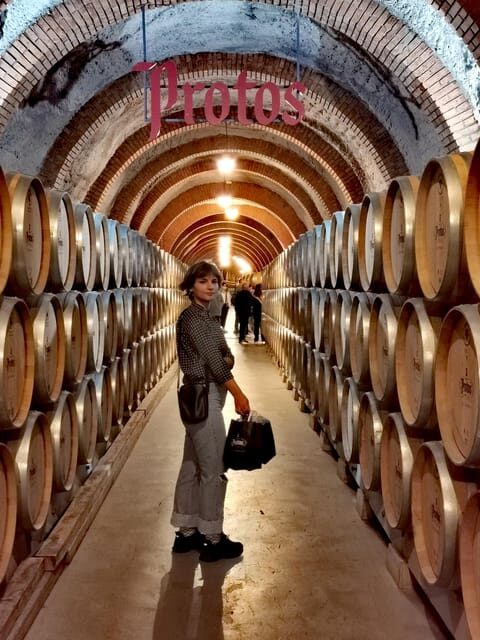
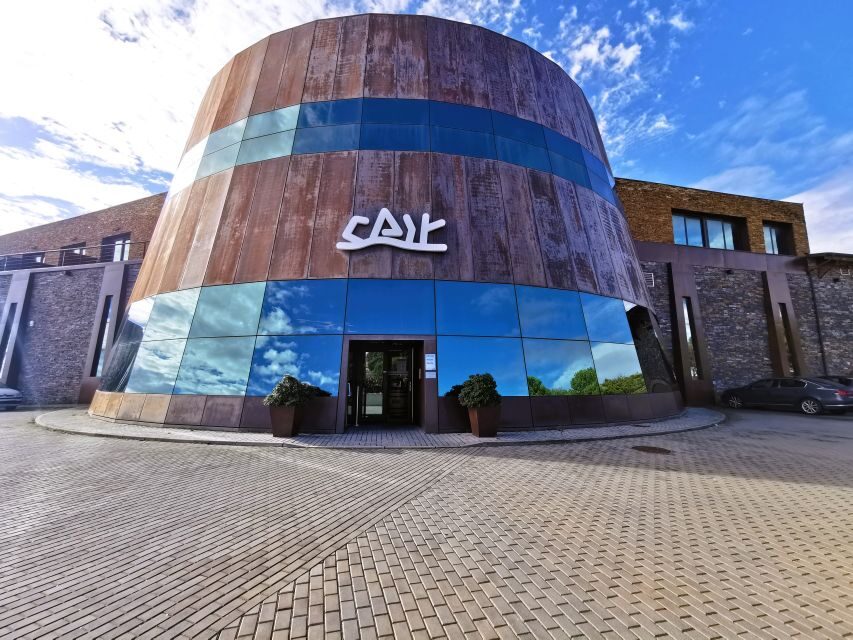
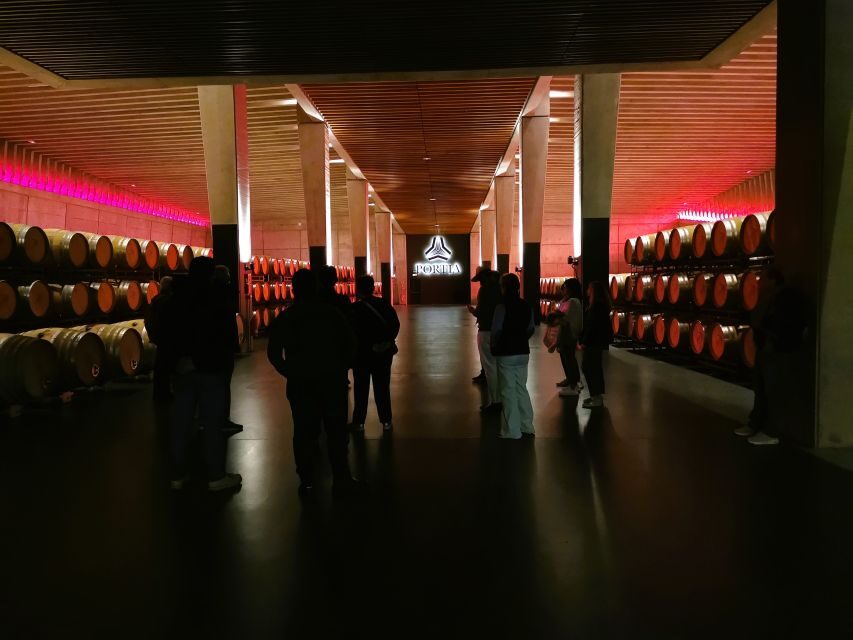
Your first winery is the modern one: an avant-garde building that blends function, beauty, and integration into the territory. Even before you pour wine, you’ll likely notice how the design supports the process—grape growing, production, and aging are treated like part of one system.
From there, the tour focuses on how grapes are cultivated in Ribera del Duero’s extreme climate. That matters because you can’t fully understand the wines without understanding why the region produces what it produces. The guide-led conversation usually turns practical: what happens in the vineyard sets up what the winemaker can do later.
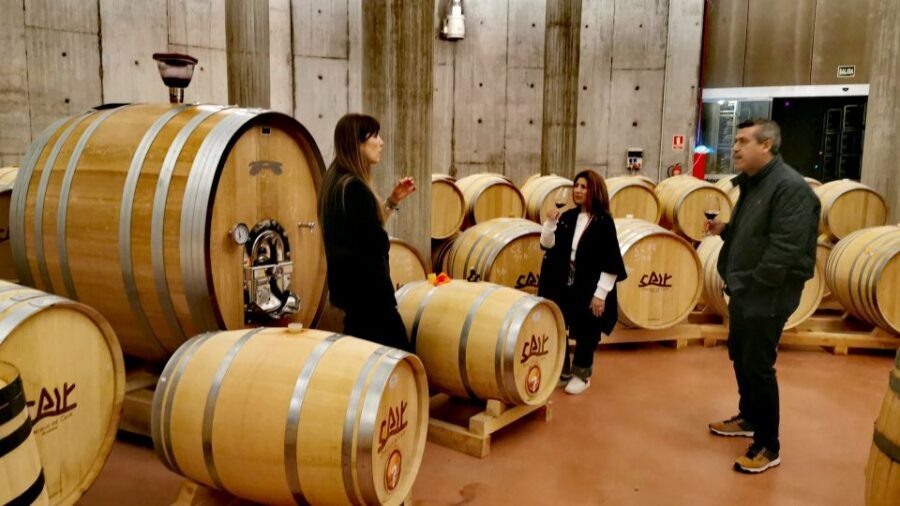
Then you move toward the cellar experience. The plan includes a look at aging in subway/subterranean conditions, followed by a tasting that specifically mentions American and French barrels. That detail is gold for you if you’re trying to learn, not just drink. Barrel type can change more than “flavor.” It can affect how tannins feel, how aromas show up, and how quickly a wine reads as spicy, toasty, vanilla-like, or more restrained.
After the cellar stop, you go up to a wine bar setting inside the winery and taste three of their best wines. You’ll also be surrounded by old vineyards—meaning the tasting isn’t happening in a sterile tasting room with no context. It’s easier to connect what you’re tasting to the land when the setting mirrors the story.
Finally, note the small-but-important advantage: skip-the-ticket-line means less time on logistics and more time tasting and asking questions.
Stop 2: a family winery, 16th-century roots, and the Ribera D.O. cellar world
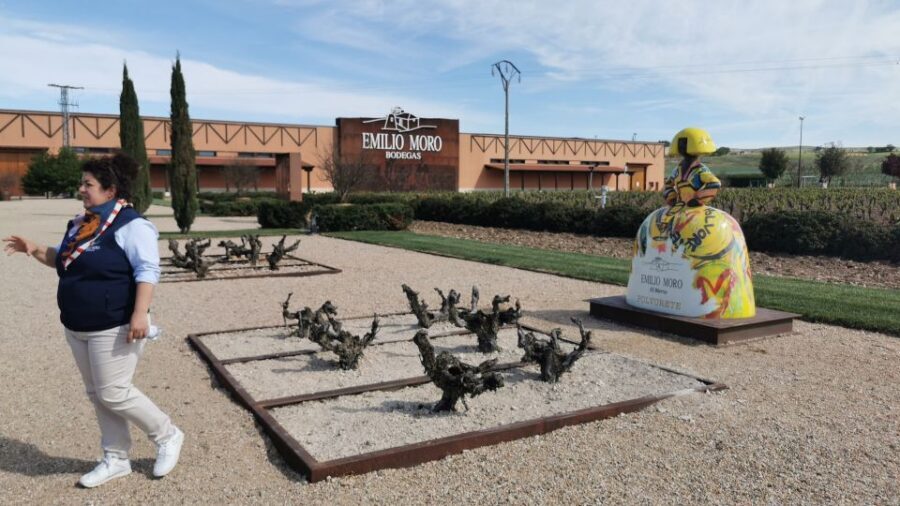
The second stop is family-run and tied to the Ribera del Duero D.O. The winery is also described as the owner of the largest subway winery still in production in the whole region, which gives you a sense of scale even before you walk through it.
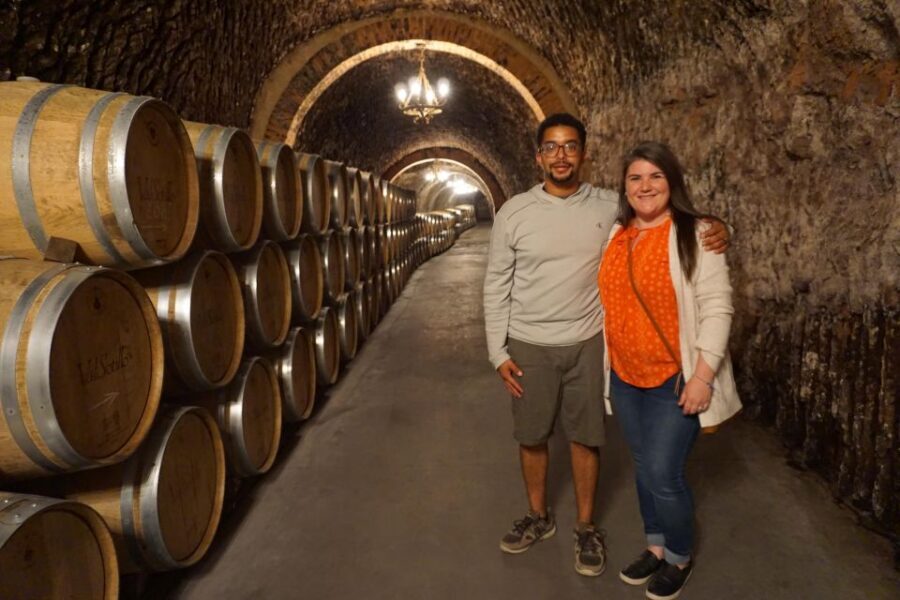
This is where the day leans more “historic” and less “architectural.” The winery dates back to the 16th century, and it’s often compared to a cathedral of Spanish wine. That isn’t just marketing language; the experience of moving through caves where wine is aging makes time feel different. You’re not just learning about fermentation dates—you’re standing in the space where long aging happens.
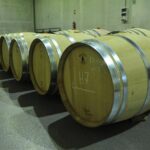
You’ll tour the underground cellar where more than a thousand barrels are kept. That’s a big number, and it changes how you think about wine quality. When you’re surrounded by so many barrels, the story shifts from romance to rhythm: seasonal work, consistent monitoring, and decisions that play out over years.
The guide at this stop—when the tour is led well—pushes beyond facts and into interpretation. You’ll learn how the winemakers think about aging times and what cellar conditions do to the wine as it matures. Then you’ll likely get your chance to connect that to the earlier tasting, so you can see how the first winery’s style compares with this one.
One more thing I appreciate here: this part is built around real owners and wine makers guiding you. When someone who runs the place talks about their choices, you get answers that feel grounded instead of scripted.
Temperatures, cellars, and tastings: how to read what you’re drinking
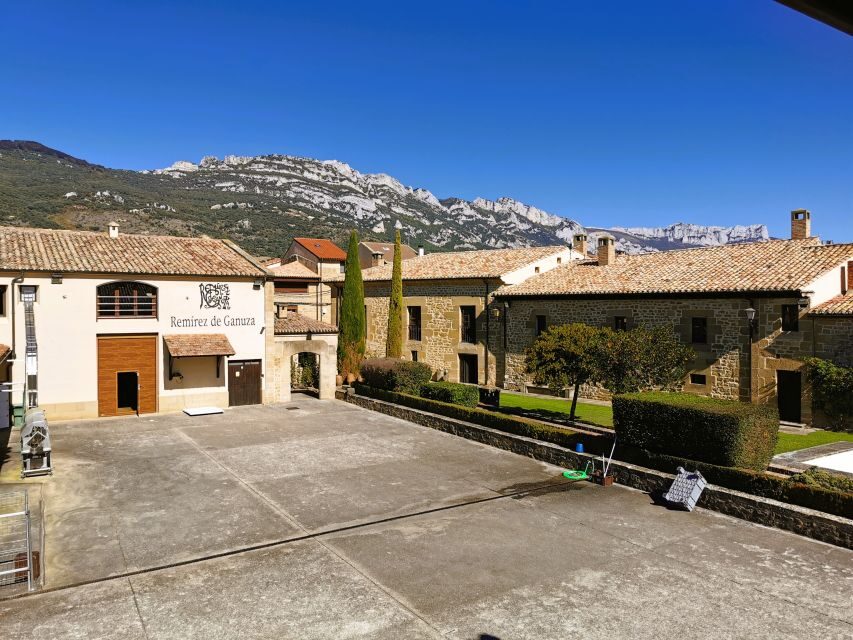
If you’re the kind of person who wants more than “it tastes fruity,” this tour gives you the tools. You’re tasting Tempranillo from Ribera del Duero at two wineries that represent different approaches.
Here’s what I’d focus on while you taste:
- Barrel fingerprints: since one stop includes a tasting involving American and French barrels, pay attention to differences in aroma and tannin texture. American oak often reads more overtly in sweetness/spice, while French oak can feel more subtle and integrated (though every winemaker’s choices still matter).
- Structure vs. fruit: Ribera Tempranillo is known for structure. In the glass, look for how the wine finishes—dryness, grip, and persistence are clues.
- Cellar influence: underground aging tends to be stable. When you taste after learning about the environment, you’ll understand why winemakers like these conditions for long maturation.
- Two wineries as a comparison game: you’re essentially doing a controlled test—same grape family, different style decisions. Use that to practice spotting what changes flavor and mouthfeel.
Also, don’t treat the tastings like a race. The tour is long enough that you’ll get tired if you’re trying to “win” the number of wines you taste. Slow down. Ask one good question and actually listen.
You can also read our reviews of more wine tours in Madrid




Lunch in a Castilian village: food, views, and wine-country calm
Lunch is included, served in a quaint village with a broad representation of traditional Castilian gastronomy. Translation: you’re not just eating something quick. You get a real meal that matches the region’s identity.
At the village, you can explore wine cellars on the hill and take in panoramic views of the area. This is a good pause in the day because it resets your senses. After underground cellars and structured tastings, being outside—seeing the slopes and the way vineyards fit into the geography—helps everything “click” in your head.
A practical thought: the meal comes after two winery experiences, so if you’re sensitive to heavy foods, keep portions balanced. You’ll still want to enjoy lunch, but you also have more tasting time afterward.
What you actually get for $412 per person
Let’s talk value, because wine tours can be overpriced or oddly light for what they promise. At $412 per person for a 10-hour private day, you’re paying for several things that would cost real money if you DIY it:
- hotel pickup and drop-off
- private transportation (van time, plus the driver’s work)
- a bilingual, expert guide (English/Spanish) who can explain what you’re tasting
- entrance and tasting at two wineries
- a full lunch
If you tried to replicate this on your own, you’d likely spend time and stress on timed admissions, travel between multiple stops, and figuring out how to get cellar access. This tour compresses that into one schedule with a guide handling the connections.
The tradeoff is that $412 isn’t “cheap,” and it won’t feel worth it if you’re not interested in learning what separates styles. If your idea of a wine day is mostly lounging, you might prefer a more relaxed half-day format. But if you want a structured comparison of Ribera del Duero Tempranillo and you’re happy to walk and taste, the cost starts to look more reasonable.
My one caution: because one guest complained that promotional photos didn’t match the actual wineries visited, you should confirm the exact pair of wineries if that matters to you. That’s not a deal-breaker for the experience, but it affects perceived value.
Private group pacing: when this tour fits best
This is a private group tour, which matters for comfort and conversation. You can ask questions without feeling like you’re competing for attention. It also helps the guide tailor explanations to what your group cares about.
Who I think this suits best:
- You love wine and want to connect tastings to real production choices
- You’re curious about Tempranillo beyond a basic red-wine conversation
- You want cellar access and owner-level stories rather than a quick drive-by
- Your group values efficiency: two wineries plus lunch, all in one day
It might be less ideal if you hate structured schedules, or if you want a slow, wandering day with no tastings beyond one short pour. Also, plan for walking inside winery settings and in and around cellar areas.
Should you book this Ribera del Duero private tour?
I’d book it if you want a single-day “compare and understand” experience in Ribera del Duero. The strongest reason is the combination: two different wineries, cellar time, and guided tastings that connect to grape growing, barrel aging, and the underground environment. Add lunch in a Castilian village with views, and you get a day that feels complete without being endless.
I’d hesitate only if you’re very brand-specific and worried about mismatched expectations around which wineries you’ll visit. That’s fixable: message the operator and confirm the exact winery names before you go. If you can align that, you’re set up for a smooth day of real wine learning and genuinely memorable cellar time.
FAQ
How long is the Ribera del Duero private tour from Madrid?
The tour runs for 10 hours.
Where do you get picked up, and is drop-off included?
You’re picked up in Madrid, and hotel pickup and drop-off are included.
How many wineries do you visit?
You visit two wineries in Ribera del Duero, each with tastings included.
What language is the tour guide?
The guide is bilingual in English and Spanish.
Is lunch included?
Yes. Lunch is included as a full meal, served during the day.
What should I bring?
Wear comfortable clothes and comfortable shoes.
Is there a cancellation option?
Free cancellation is available up to 24 hours in advance for a full refund.