REVIEW · CUENCA
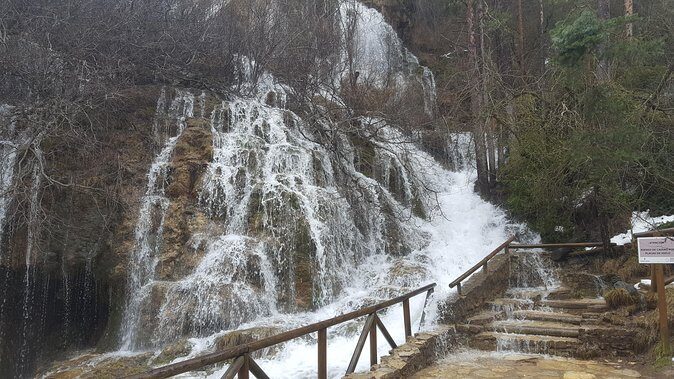
Alleys of Las Majadas + Birth of the Cuervo River
Book on Viator →Operated by Tempus Cuenca · Bookable on Viator
Karst country feels personal here. This nature-focused outing from Cuenca takes you to Nacimiento del Río Cuervo and Los Callejones de las Majadas, where water, rocks, and plants meet in a way that makes the whole area feel lived-in, not staged.
I love how the day is short but packed with guide-led storytelling, so you’re not just looking at scenery—you’re learning what you’re seeing. The one thing to plan around is weather: the experience requires good conditions, and if it’s canceled for poor weather you’ll be offered a new date or a full refund.
In This Review
- Key points to know before you go
- A short, nature-heavy day that actually feels manageable
- Nacimiento del Río Cuervo: the river’s start, up close
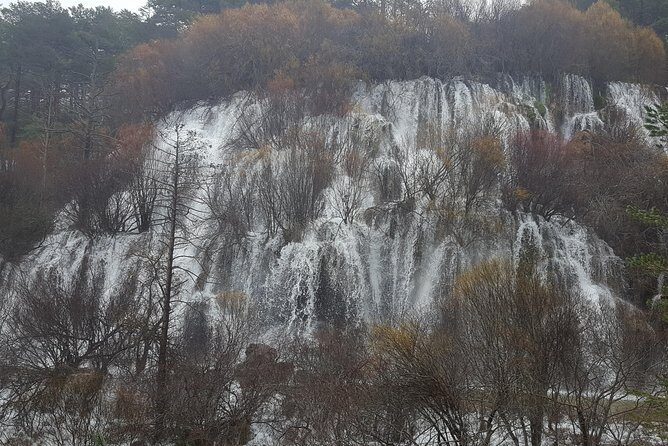
- Los Callejones de las Majadas: karst alleys with a waterfall feel
- Why the guide matters more than you think
- Timing, transportation, and what to pack for 4 hours
- Price and value: why $57.32 can make sense here
- Who this tour suits best (and who might want to think twice)
- Tips to get more out of the Cuervo River source and karst alleys
- Should you book this Cuenca nature tour?
Key points to know before you go
- Two free-entry nature stops: both main viewpoints list admission as free.
- A guided walk with real explanations: expect clear talk about rocks, plants, and what shapes the area.
- Karst alleys, not a long hike: you’ll move through dramatic limestone scenery without needing extreme fitness.
- Pickup and round-trip in the mix: the day starts with collection and returns you to Cuenca.
- Small group pace: limited to a maximum of 55 people.
- Plan for good weather: the schedule depends on conditions on the day.
A short, nature-heavy day that actually feels manageable
This is a roughly 4-hour outing, with a start time of 9:30 am. That timing matters because you get to enjoy the outdoors without surrendering your whole day to buses and check-in lines. The tour also caps at 55 people, so it’s not the kind of crowd where you spend half the time trying to spot your guide.
You’ll be picked up (when offered) and transported out of Cuenca, then returned to the city at the end of the route. In other words, you’re free to focus on the walking and listening, rather than figuring out how to connect rural points on your own.
The overall feel is nature-first. You’re not trying to tick off ten monuments. Instead, you’re spending your time at the Nacimiento del Río Cuervo and the Callejones de las Majadas, both described as strongly tied to local wonder—places people in the region clearly care about.
You can also read our reviews of more tours and experiences in Cuenca.
Nacimiento del Río Cuervo: the river’s start, up close
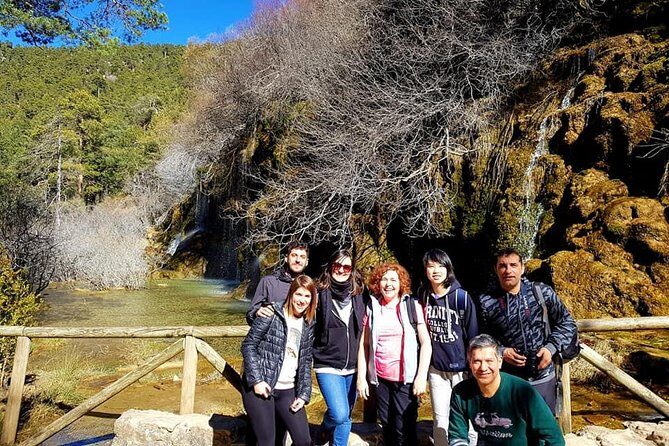
Your first stop is Nacimiento del Río Cuervo, with about 1 hour on site. This is the birth/source area of the Cuervo River, and that simple fact changes how you look at the place. You’re not admiring water from far away; you’re there to understand how the river begins and why the surroundings feel so specific to this spot.
Even the way this is framed makes it useful for planning your expectations. The stop is listed as free admission, and it’s treated as a core highlight rather than a quick photo stop. With a guide, you’ll typically get more than where the river comes from. You’ll get context for the terrain and how the water interacts with it.
Practical note: bring shoes you’re comfortable walking in for about an hour on natural ground. You don’t need hiking gear, but you do want grip and support.
Los Callejones de las Majadas: karst alleys with a waterfall feel
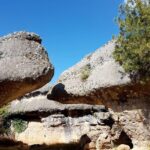
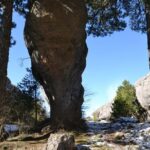
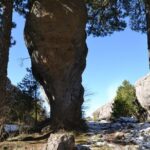
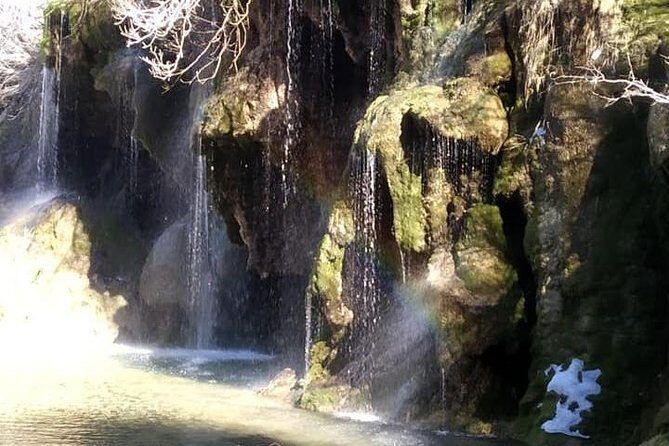
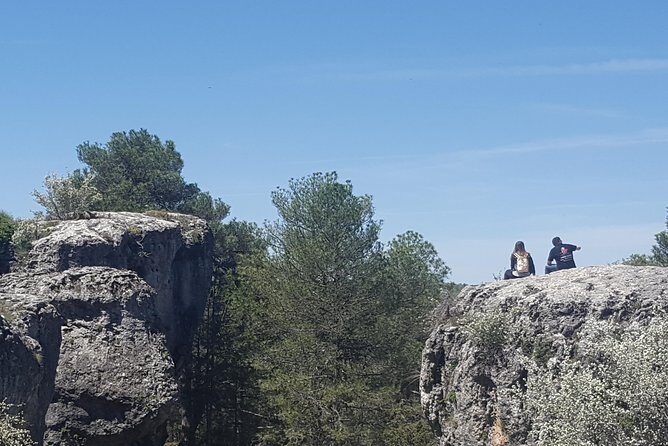
Then you move to Los Callejones de las Majadas, where you’ll spend about 1 hour 30 minutes. This is one of those Cuenca-region areas where geography becomes the star. The description points to the karst phenomenon continuing to shape the land, creating a striking, almost corridor-like setting.
The name itself hints at the experience: “alleys” and “canyons” aren’t just poetic. You’ll likely feel the area as a series of carved spaces where limestone and water create distinct visual pockets. The spot is also described as having a unique waterfall and a unique landscape, and that combination is exactly why this stop works so well in a short day.
What I like for your planning: this is long enough to actually slow down. You’ll have time to look at details—rocks, plant patterns, and the way water and stone meet. But it’s not so long that you end up tired and rushed. If you’re visiting Cuenca and want one “nature explanation” outing that doesn’t drain the whole day, this is the core of it.
A possible drawback to consider: because this is an outdoor karst area, your comfort depends on the day’s conditions. Good weather helps you enjoy the setting and keep the pace pleasant.
Why the guide matters more than you think
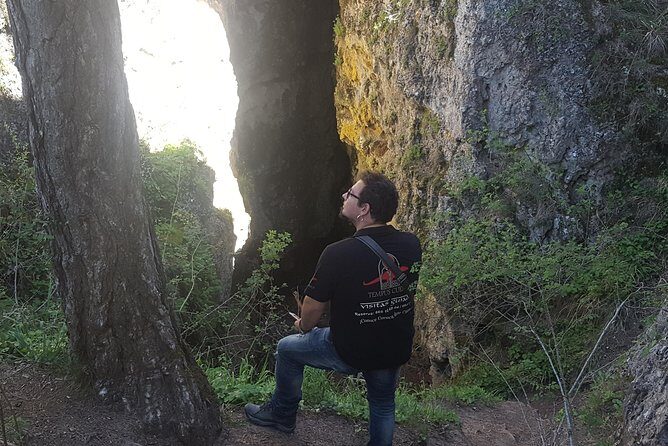
A big theme in the feedback is guide quality, and you can feel that difference between a tour that hands you a timetable and a tour that teaches you how to look.
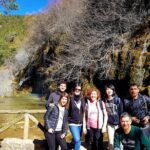
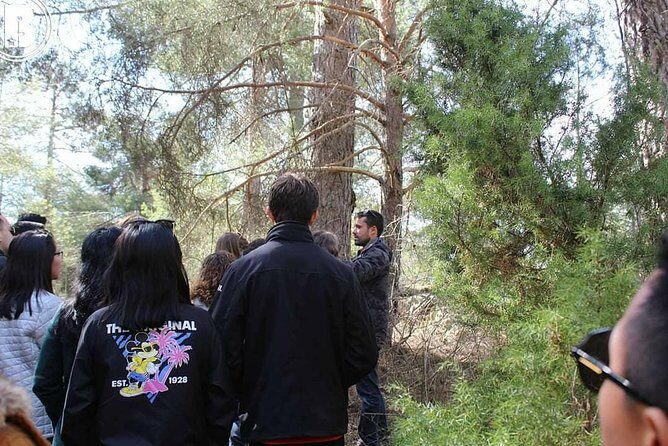
In this experience, guides are praised for being friendly and close, and for sharing lots of curious anecdotes as you go. Names come up in the feedback—Eduardo and Alejandro—and both are associated with the same idea: they don’t just point at views. They connect Cuenca’s wider story to what you see in front of you.
There’s also an emphasis on explanations that combine:
- Geology (how the rocks formed and why the terrain looks the way it does)
- Flora and fauna (what’s living there and how it fits the environment)
- Local context (so the place stops feeling anonymous)
That matters because Cuenca is famous for its dramatic scenery, but a lot of visitors experience it like a postcard. Here, you’re more likely to leave with a mental picture of how the river and limestone shaped this corner of the region—and how small plant life and rock textures respond to that same setup.
If you’re the type of traveler who likes to understand what’s going on (even just a little), this guide-led format is a real value-add.
Timing, transportation, and what to pack for 4 hours
You’re set to start at 9:30 am, and the day is designed to fit into a morning or early afternoon block. The stops total about 2 hours 30 minutes (1 hour at the river source, 1 hour 30 minutes at the alleys), with additional time for travel between points and moving as a group.
Transportation is part of the experience. Pickup is listed as offered, and the route includes returning you to Cuenca at the end. Practically, this is great if you don’t want to drive a rental out into rural areas or you’d rather spend the ride getting context than staring out the window.
What to pack (keep it simple):
- Weather-appropriate layers, because morning conditions can shift
- Comfortable walking shoes for uneven outdoor ground
- A rain shell or light waterproof layer if the forecast looks iffy
And don’t ignore the weather note: this tour requires good weather. If conditions aren’t right, you may get a different date or a full refund. That’s not a minor detail—it’s built into how the experience is run.

Price and value: why $57.32 can make sense here
The price is $57.32 per person, and the tour is commonly booked about 16 days in advance on average. For a guided experience, that number doesn’t look outrageous, especially because the key stops list free admission.
Here’s what you’re effectively paying for:
- Transportation to and from the Cuenca area
- Guide time and narration
- A structured route that links two specific natural highlights
If you were to try to do this on your own, you’d still spend time coordinating transit, finding the right areas, and figuring out what to look for. A good guide can save you that mental energy—and, in this case, the guide approach is one of the most emphasized strengths.
A small caution on value: because the experience depends on good weather and a minimum number of travelers (the provider may reschedule if the minimum isn’t met), the price is only part of the equation. You’re also buying reliability on a day with decent conditions. If you can be flexible with dates, the value gets stronger.
Who this tour suits best (and who might want to think twice)
This experience is a strong match if you want:
- An easy-to-manage length day near Cuenca
- Guided explanations about rocks, plants, and water
- A route focused on natural features rather than a long checklist
It also states that most travelers can participate. That usually means it’s not aimed at the kind of strenuous hiking that requires specialized endurance. Still, expect outdoor walking and natural ground, so bring shoes you trust.
You might want to think twice if:
- You dislike outdoor walks even when they’re short
- You’re traveling on a day where weather is unstable and you’d rather not risk a reschedule
For families, couples, and solo travelers who like learning while they walk, it’s a comfortable format. And since service animals are allowed, it’s also a practical option if you need that accommodation.
Tips to get more out of the Cuervo River source and karst alleys
I’ll give you a few simple moves that usually make a guided nature outing feel 2x better:
- Arrive ready to listen. The best part here isn’t only seeing the places—it’s understanding the why behind the shapes. Keep your eyes up and your questions ready.
- Slow down at the stops. With about an hour at the river source and 1.5 hours at the alleys, you’ll have time. Use it to look at small details, not just the biggest view.
- Wear grip. Karst areas can be slick depending on conditions. Comfortable shoes beat perfect shoes.
- Watch the weather like it matters—because it does. The provider explicitly requires good weather, so don’t assume you can “power through.”
If you do those four things, you’ll leave with more than photos. You’ll leave with a clearer idea of how this area works.
Should you book this Cuenca nature tour?
If you want a half-day that feels local and understandable, I’d book it. The combination of Nacimiento del Río Cuervo plus Los Callejones de las Majadas gives you two nature highlights tied together by the same geology and water story. The strong point is the guide-led explanations—people are specifically praised for being friendly, sharing anecdotes, and teaching you what to look for.
Book it if:
- You like guided nature walks
- You want free-entry stops plus transport
- You’re traveling with a flexible schedule for weather
Skip it (or reschedule) if:
- Your plans are tightly locked to one date and bad weather would derail the whole trip
- You’re not interested in learning about rocks and plants and would rather self-explore without a structured guide
If you’re in Cuenca and you want something that feels like the countryside instead of another city outing, this one is a solid pick.