REVIEW · CUENCA
Legends Tour in Cuenca
Book on Viator →Operated by Tempus Cuenca · Bookable on Viator
Night in Cuenca has a different rhythm. This group walk leans into that mood, with a guide spinning local legends and tying them to real places you can still see today. You’ll hit the big landmarks, but you’ll do it after dark, when the city feels calmer and the stories land better.
I especially love how the tour teaches you Cuenca’s layout fast. Starting near the tourist office puts you in the right zone, and the walk keeps moving so you get oriented without feeling stuck. A second big win is the way guides like Cristina, Ángela, and Alejandro bring humor and pacing to the legends, so the full two hours stays fun and not just spooky.
One possible drawback: it’s still an outdoor walk at night with some climbs and uneven old-town footing. If weather turns rough, the experience may be rescheduled or refunded, so build in some flexibility.
In This Review
- Key highlights worth your time
- Cuenca after dark: why legends land better at night
- Price and value: a low-cost evening with big payoffs
- Starting at Oficina de Turismo: the best way to orient fast
- Torre Mangana: witchcraft-era stories behind a city landmark
- Casas Colgadas and the legend of Casa de la Sirena
- Cuenca Cathedral and Nostradamus-linked prophecy
- San Pedro, Cristo del Pasadizo, and the climb toward the river bend
- Second look at the cathedral and the downhill mood shift
- Ermita de Nuestra Señora de las Angustias and the Devil’s Cross ending
- What type of traveler this fits best
- Guide style makes a difference: what to listen for
- Should you book the Legends Tour in Cuenca?
- FAQ
- How long is the Legends Tour in Cuenca?
- What time does the tour start?
- Where do I meet the guide?
- Where does the tour end?
- Do I need tickets or can I use a mobile ticket?
- Is admission included for all stops?
- Is the tour suitable for most people?
- What if the weather is bad?
- Is there free cancellation?
Key highlights worth your time
- Legends tied to real landmarks at Torre Mangana, the Hanging Houses, and more
- A night-only perspective that feels quieter than daytime crowds
- Great storytelling from guides like Cristina, Ángela, and Alejandro
- A fast orientation loop through central Cuenca so you can explore later
- A memorable finish at the Devil’s Cross area near the Júcar River
Cuenca after dark: why legends land better at night
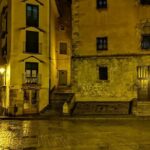
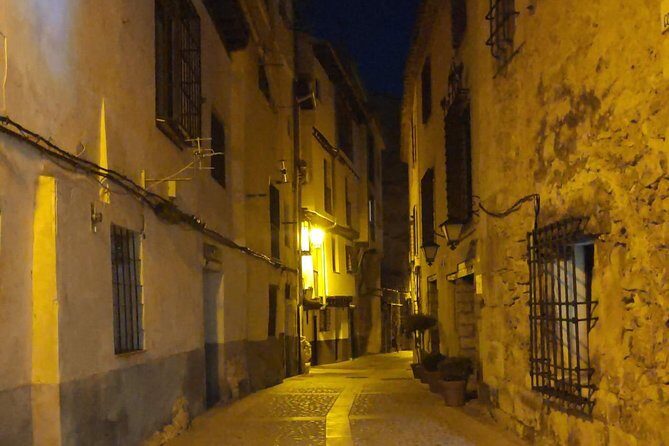
Cuenca at night has that flicker-and-shadow effect that makes old buildings feel even older. And when your guide is explaining myths as you look at the stone in front of you, the whole thing stops being trivia and starts feeling like a guided walk through the city’s imagination.
What I like here is that the tour doesn’t treat legends as random campfire stuff. The stories connect to specific spots, so you come away with a map in your head. That’s useful because Cuenca’s layout can feel like layers—upper streets, viewpoints, and sudden drops toward the river.
You also get the practical benefit of avoiding the worst daytime crowds. Evening lets you see major sights without the crush, and you can actually pay attention to details like street angles, building silhouettes, and where sightlines open up.
You can also read our reviews of more tours and experiences in Cuenca.
Price and value: a low-cost evening with big payoffs
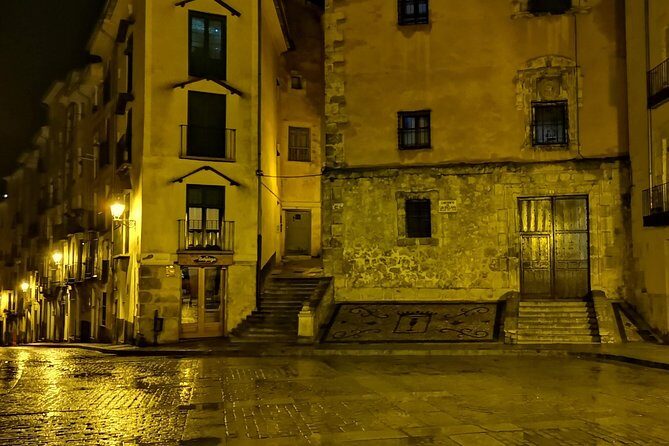
The price is $12.18 per person, and for a 2-hour guided walk that hits multiple major sights, it’s strong value. You’re not just standing in one place and listening; the route is built around moving from point to point, which stretches the experience into something that feels like “real touring,” not a short stop.
Also, the tour uses a mobile ticket, which means less hassle on your end once you’re in Cuenca. When you’re on a nighttime schedule, any small friction you remove helps.
Here’s the balance note: not every stop includes admission. The tour mentions that some entries are not included, while at least one stop is free. So I’d plan a little budget for optional entrances if you want to go inside certain places afterward. Even if you don’t, you’ll still get plenty from the exterior views and explanations.
Starting at Oficina de Turismo: the best way to orient fast
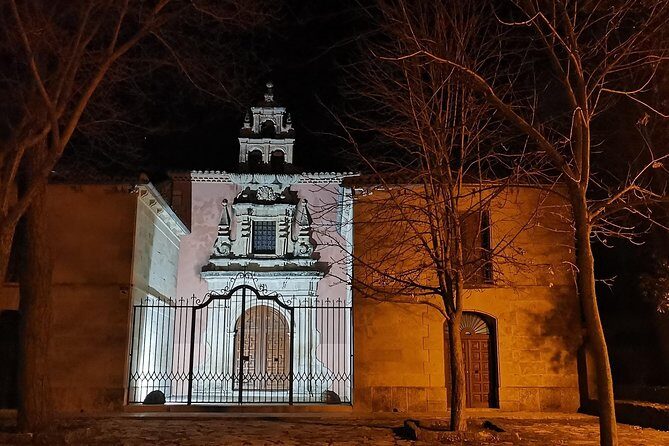
You meet in the right spot to begin: Oficina de Turismo, C. Alfonso VIII, 2, 16001 Cuenca. That’s near the city center, so you’re not trekking across town before the fun starts. The start time is 8:00 pm, which is ideal for nighttime lighting and that slightly cooler pace.
From the first minutes, the tour sets expectations clearly: you’re going to learn myths and lesser-known history tied to the places you’re seeing. That matters because it frames what you should pay attention to. Instead of just photographing buildings, you’re learning why the buildings and locations became story magnets in the first place.
Group size is capped at 55 travelers, which usually keeps the experience from feeling chaotic. In practice, you still get a group vibe, but it shouldn’t feel like you’re moving through Cuenca with a marching band.
Torre Mangana: witchcraft-era stories behind a city landmark
The first stop is Torre Mangana, starting near the Anteplaza mosaic that shows Cuenca’s shield. The guide gathers you close to the city’s civic center area, then brings you up toward Mangana Square to focus on the tower and its backstory.
The most memorable part here is the way the guide connects Torre Mangana to the seventeenth-century witchcraft psychosis that affected Cuenca. That’s heavy subject matter, but the tour keeps it in the lane of storytelling tied to place. You’re not reading a history chapter; you’re hearing how fear, rumor, and power shaped what people believed—and how that belief echoes in the city.
Practical tip: towers and squares often mean uneven ground and a bit of walking uphill. If you’re the type who hates rushed stairs, keep an eye on your footing and let the group set the pace. You’ll enjoy it more if you’re steady instead of bracing for every step.
Casas Colgadas and the legend of Casa de la Sirena
Next you head back through the core streets toward Plaza Mayor, then follow an alley route to reach the famous Casas Colgadas—the Hanging Houses. This is where Cuenca’s architecture starts to feel theatrical. The building fronts overhang the drop, and at night the silhouettes look even more dramatic.
Your guide focuses on two Hanging Houses names tied to the scene: San Martín and Santa Catalina. Then the story shifts to myth: you’ll hear the legend of the Casa de la Sirena. Even if you’re not a “legends person,” these stories make the architecture easier to remember. When you can label what you’re seeing with a name and a myth, your photos become more than pictures.
One consideration: the Hanging Houses area is a key photo zone. In the evening it’s calmer than daytime, but you’ll still want a moment to look around before your group moves on. If you keep your camera ready, you’ll catch the angles the guide is pointing out.

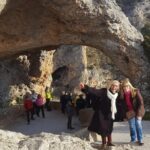
Cuenca Cathedral and Nostradamus-linked prophecy
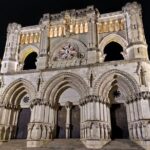
Then comes Cuenca Cathedral, where the tour adds a supernatural twist through a familiar name: Michel de Notrédame, known as Nostradamus. The guide explains a prophecy linked to Cuenca and its famous temple, and you’ll see how the cathedral’s presence became part of the local story fabric.
This stop works well because it blends two things at once: the place has real religious and civic weight, and the legend layer explains why people connected it to predictions and fate. If you enjoy when history and myth overlap—without turning the whole thing into fantasy-only storytelling—you’ll likely like this part a lot.
Also, this is an example of why the timing matters. At night, the cathedral area feels more focused and atmospheric, so the guide’s emphasis on prophecy, symbolism, and rumor makes sense.
San Pedro, Cristo del Pasadizo, and the climb toward the river bend
One of the tour’s most intriguing segments is the walk toward Cuenca’s higher areas. The route heads along streets near the Ronda del Huécar or Julián Romero, climbing toward Cristo del Pasadizo and the Church of San Pedro.
This is where the experience becomes physically more “walkable but not flat.” If you go in expecting a casual stroll, you might be surprised by the slopes. The good news is the climb is broken up by story stops and explanations, so it doesn’t feel like you’re just suffering for views.
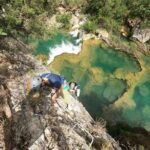
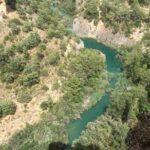
You’ll then move across toward the Sickle of Júcar area. The Júcar River bend gives you that dramatic sense of Cuenca’s cliffs and drop-offs. Even if you’ve seen pictures before, being there at night changes how the city reads. Shadows make the edges clearer, and the guide’s mystery framing makes the river bend feel like the end of a chapter.
The tour notes that Cristo del Pasadizo is free, which is a nice bonus. You get at least one place where you’re not thinking about entry costs while still getting the “this is important” feeling.
Second look at the cathedral and the downhill mood shift
After that, the tour revisits the cathedral area for additional time. I like this pacing because it gives you a chance to reset. When you’re walking a route full of legends, a short pause to reframe what you just learned can be helpful.
By now, the mood shifts from “climb and lookout” to “descending and unfolding.” That shift matters because it lines up with the subject matter: the legends get darker and more Inquisition-era, and your geography gradually changes from upper viewpoints toward the river-side atmosphere.
If you’re the type who gets tired easily at night, this is a good moment to take a breath, rehydrate, and refocus. The group keeps moving, but you’re not locked into sprinting.
Ermita de Nuestra Señora de las Angustias and the Devil’s Cross ending
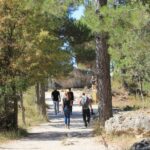
The final stretch brings you to the Hermitage and Sanctuary of Nuestra Señora de las Angustias. As you descend along the path near the Sickle of Júcar, the guide connects the scenery to the Holy Inquisition and the fear it brought to victims. It’s the darkest part of the tour in theme, and it lands best because you’re surrounded by the kind of stone-and-shadow setting that makes moral stories feel real.
From there, you reach a place that the tour describes as beautiful and mysterious—and it fits the route’s overall tone. You’re finishing somewhere that feels quieter than the main city streets, which gives the stories a natural dramatic ending.
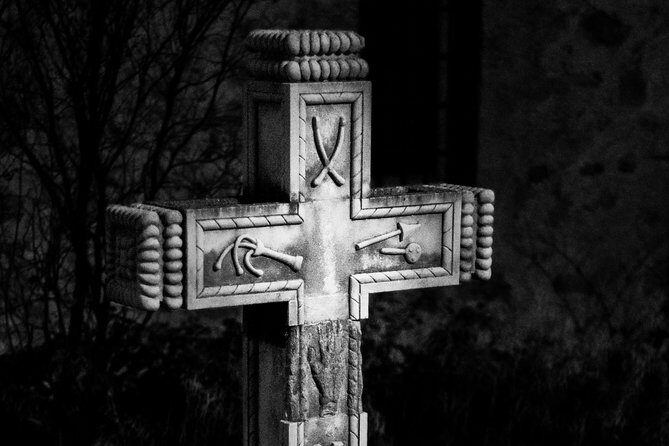
The tour’s last big reveal is the legend of the Devil’s Cross, finished near the cross area by the Angustias section in the sickle of the Júcar River. Ending here is smart for two reasons: the story has weight, and the location gives you a strong visual memory anchor. When you later wander Cuenca on your own, you’ll likely remember this bend and cross because it’s a complete narrative closure.
What type of traveler this fits best
This is best for you if:
- You want a fun, guided way to learn Cuenca fast, especially on a first visit
- You like stories with real local anchors, not just dates and plaques
- You prefer night touring over daytime crowds and heat
It may not be your perfect match if you:
- Want a strictly factual architecture tour with minimal myth content
- Have mobility limits that make slopes and uneven old streets stressful
The group vibe can work well for couples and solo travelers because the route is structured, the guide keeps momentum, and you’ll naturally learn a common story thread you can keep talking about afterward.
Guide style makes a difference: what to listen for
One reason this tour earns such strong ratings is how guides handle timing and tone. Guides such as Cristina and Ángela are praised for humor and for keeping everyone involved, while Alejandro is described as explaining things in a way that makes the two hours feel like they fly by.
When you join, I’d focus on three things:
- Listen for how the guide connects the myth to the exact spot you’re standing near
- Watch the guide’s pointing—Cuenca’s streets can hide key visual clues until you know where to look
- Let the story set the pace; you’re walking because of the narrative, not just to cover distance
If you do that, the tour won’t feel like a lecture. It feels like someone is showing you a secret side of a city you thought you already knew.
Should you book the Legends Tour in Cuenca?
Yes, if you want a high-value night walk that mixes major Cuenca sights with well-told local myths. The price is friendly for what you get, and the route design helps you build a mental map quickly, which pays off for the rest of your trip.
If your idea of travel is mostly museums and strict facts, you might feel a bit more satisfied with a daytime-focused history tour. But for a night slot in Cuenca, this one is exactly the kind of experience that makes the city feel alive.
FAQ
How long is the Legends Tour in Cuenca?
It runs for about 2 hours.
What time does the tour start?
The start time is 8:00 pm.
Where do I meet the guide?
You meet at Oficina de Turismo, C. Alfonso VIII, 2, 16001 Cuenca, Spain.
Where does the tour end?
The tour ends at Ermita de Nuestra Señora de las Angustias, Bajada Angustias, 4, 16001 Cuenca, near the Cross of the Devil.
Do I need tickets or can I use a mobile ticket?
You receive a mobile ticket, and the tour includes that format.
Is admission included for all stops?
Admission is not included for some stops. The tour also notes at least one free stop (and the hermitage end area is listed as free).
Is the tour suitable for most people?
The tour says most travelers can participate, and it is near public transportation.
What if the weather is bad?
The experience requires good weather. If it’s canceled due to poor weather, you’ll be offered a different date or a full refund.
Is there free cancellation?
Yes. You can cancel up to 24 hours in advance for a full refund.
If you want, tell me when you’ll be in Cuenca and what else you plan to see. I can help you pair this with daytime sights so your schedule feels smooth.