REVIEW · MADRID
Architecture Tour: Old Historic Madrid with an architect
Book on GetYourGuide →Operated by architoursmad . · Bookable on GetYourGuide
Old Madrid makes more sense when you see it through design.
This architecture-focused walk is led by a local architect, tracing the city’s shifts in power from the Arab era to the Bourbons. I especially like how it connects urbanism and politics to the buildings you see, not just dates on a wall. It also pays attention to the details around the royal core, including the dramatic skyline moments you get in the Austrias-Hasburgs area. One thing to consider: it is a lot of walking and it is not for wheelchair users.
You’ll start near the opera house and move through layers of Madrid, from walls and quarters to grand squares. If you enjoy “why this looks like this” more than museum-heavy stops, you’ll feel right at home. The only potential drawback is that the Royal Palace interior is not visited, so plan to enjoy it mainly from the outside and in the surrounding viewpoints rather than expecting rooms and collections.
In This Review
- Key points worth your attention
- Tracing Madrid’s “design decisions” from Arab beginnings to the Bourbons
- The price: paying for a private architect guide (and what you actually get)
- Meeting at Teatro Real and getting oriented fast
- Teatro Real: a quick photo stop that sets the tone
- Plaza de Oriente: reading the city through an official stage
- Royal Palace zone: admire the scale, but plan for no interior
- A church moment: Iglesia de San Nicolás as a quick architectural pause
- Almudena Cathedral: where modern meets the older city
- Arab Wall remains: the city’s older spine under modern life
- Plaza de la Villa: older town center energy in a smaller setting
- San Miguel Market: architecture meets daily rhythm (and a drink)
- Plaza Mayor: the main stage for social and commercial life
- What to look for during the walk (so you get more from every stop)
- A good fit: who should book this architecture tour
- Should you book Old Historic Madrid with an architect?
- FAQ
- How long is the architecture tour?
- Where is the meeting point?
- What areas of Madrid does the tour cover?
- Is the Royal Palace interior included?
- Which languages are available?
- What is included in the price?
- What is not included?
- Is the tour private or shared?
- Is it suitable for wheelchair users?
- What should I wear or bring?
Key points worth your attention
- Architect-led narration with an emphasis on urban planning and how power shaped street life
- Royal-area highlights around Teatro Real, Plaza de Oriente, and the Royal Palace zone
- City-wall storytelling, including remains of the Arab Wall and the later Christian wall
- Austrias-Hasburgs splendor as a guiding theme, with Bourbons influence running in the background
- Stops that balance big monuments with everyday texture, like Plaza de la Villa and San Miguel Market
Tracing Madrid’s “design decisions” from Arab beginnings to the Bourbons
This is the kind of tour that makes you look up at façades and then look at streets right after. Instead of treating Madrid as one uniform city, the guide helps you read it as a set of layers: each ruling period leaves different building habits, different ideas of public space, and different priorities about who controls the center.
What makes it special is the tour’s time span. It starts with the origins tied to the Arabs building the Alcazar, moves through the conquest by Alfonso VI of Castilla in the 11th century, and then lands on the moment Felipe II fixed the capital in Madrid. From there, you follow the House of Habsburg-Austrias style and then see Bourbons influence work its way into the present day. Even if architecture is not your main hobby, you’ll still catch the political meaning behind the stone.
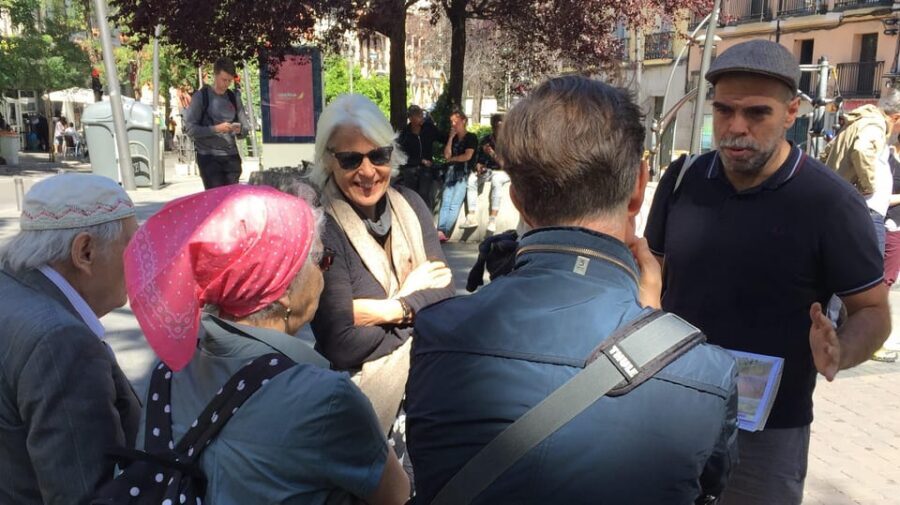
And the guide format matters. You’re in a private group, led by a local architect, with live explanation in English or Spanish. That means you can ask a question when something visually clicks—or when something feels confusing.
You can also read our reviews of more historical tours in Madrid

The price: paying for a private architect guide (and what you actually get)
The price is $387 per group (up to 1 person) for 3.5 hours. That is not a bargain-basement walk. But in value terms, you are buying three things: a private guide, an architect’s lens on the city, and included church entrances.
To decide if it fits your budget, I’d compare it to the cost of a standard group walking tour plus a museum ticket day. Here, the emphasis is on streets, exteriors, and architectural context, not ticketed attractions that soak up time. Also, the tour includes entrance to churches, which helps offset the price if you enjoy interior details.
One more reality check: since the Royal Palace interior is not visited, your experience is mostly about the surrounding royal landscape, how it was shaped, and what you can observe from the walking route.
Meeting at Teatro Real and getting oriented fast
You meet at the entrance of a Starbucks at one corner of the Teatro Real. That’s a practical start point: you’re already on the edge of Madrid’s formal royal zone. There’s a nice momentum here—your tour doesn’t wander first. It frames the city center immediately, then builds outward in time periods.
Before you go, dress for the season. In winter, bring warm layers. In summer, plan for sun: sunglasses, a cap or hat, sunscreen, and cold water. This tour lasts 3.5 hours, and you’ll be outdoors enough that weather can affect your comfort more than you’d think.
Teatro Real: a quick photo stop that sets the tone
The first monument is Teatro Real, with a photo stop and then a guided introduction for about 15 minutes. Even if you’re not chasing opera, this stop works as a tone-setter. The guide can point out how Madrid presents itself at the level of culture and power—then you move toward the public spaces where that message plays out.
Don’t rush this moment. A good architect-style explanation makes you notice proportions and “how the building talks to the street,” not just what it looks like from one angle.
Plaza de Oriente: reading the city through an official stage
Next comes Plaza de Oriente for another 15-minute guided segment. This square matters because it’s part of the royal presentation of Madrid—an outdoor room where architecture and state power meet.
What I find useful about stops like this is that the guide can connect the square’s role to the periods the tour covers. You’ll likely hear how different regimes used monumental spaces to organize how people move, gather, and view authority.
At this point, take a moment to scan the skyline. You’re building a mental map for later when the tour starts talking about walls, quarters, and older urban fabric.



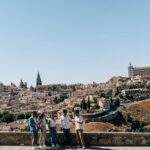
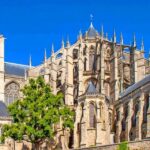

Royal Palace zone: admire the scale, but plan for no interior
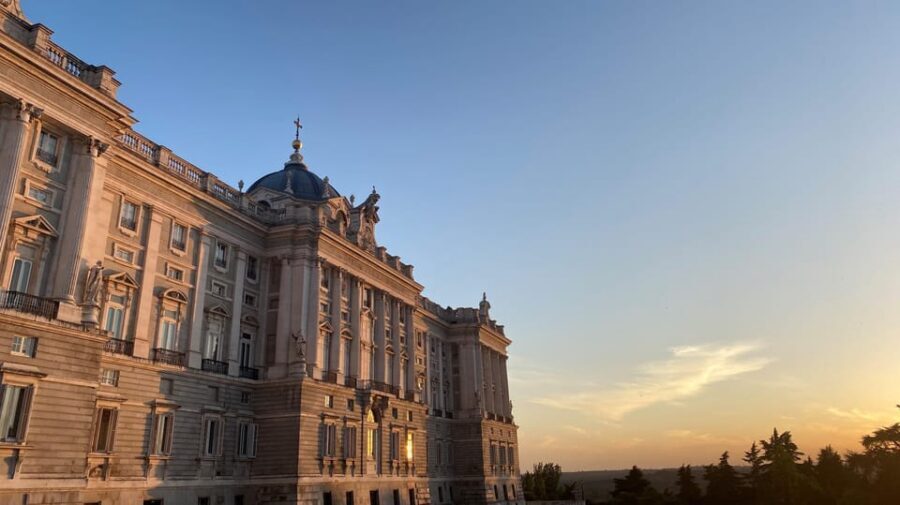
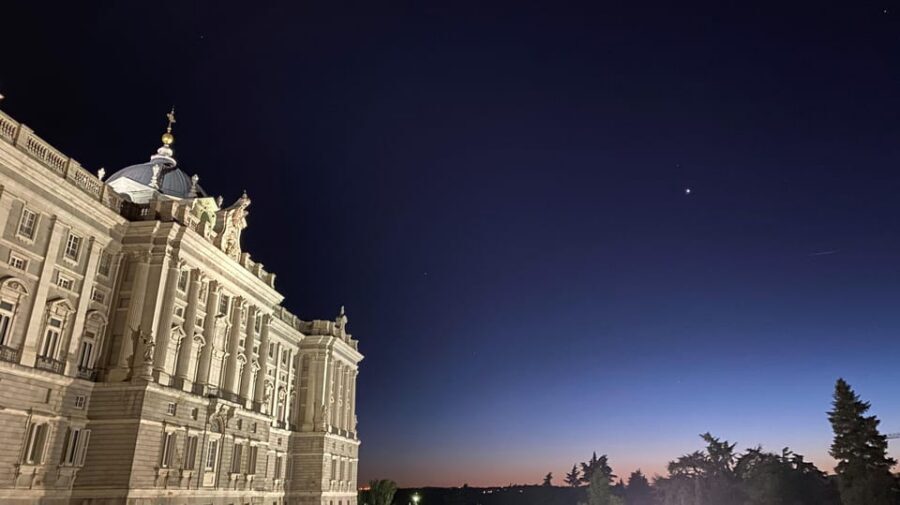
The next stop is the Royal Palace of Madrid, with about 20 minutes of guided time. Here’s the key detail: the tour does not visit the interior. That changes how you should experience it. Your focus should be the setting—what the palace does to the nearby streets, how sightlines work, and how the royal project shaped the area.
The tour also ties this area to a specific turning point: Felipe V ordered the construction of the Royal Palace as it’s known today. So while you won’t go inside, you’re not missing the point. The architectural story is about intention and urban impact.
A church moment: Iglesia de San Nicolás as a quick architectural pause
You pass by Iglesia de San Nicolás, Madrid for around 10 minutes. This is shorter, but it’s still part of the way the tour stitches together eras through religious architecture. Even when you’re not stopping long, you can learn to notice how church sites sit inside the city’s evolving street grid.
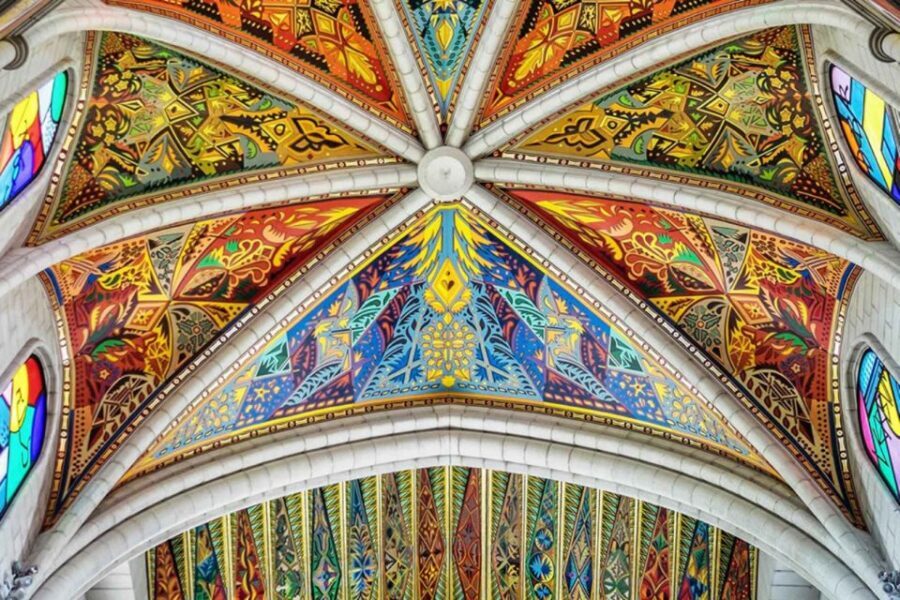
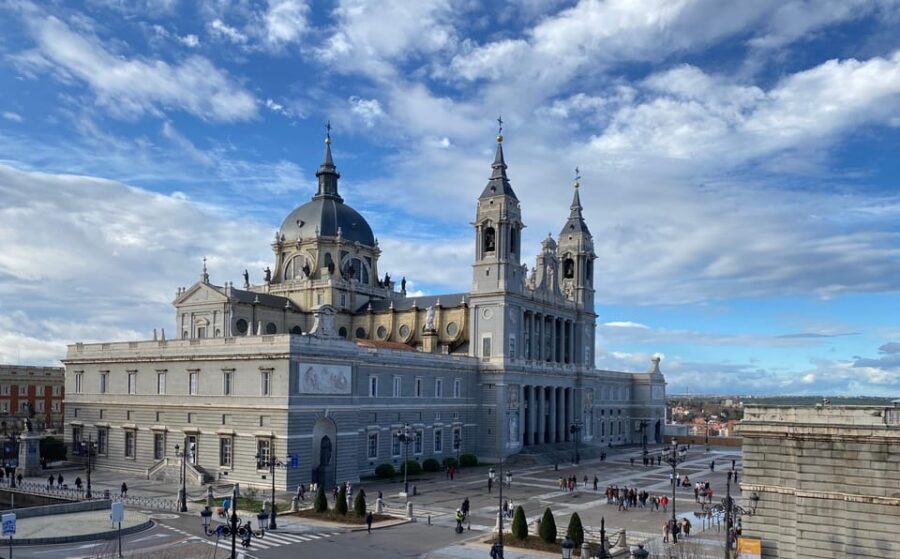
Almudena Cathedral: where modern meets the older city
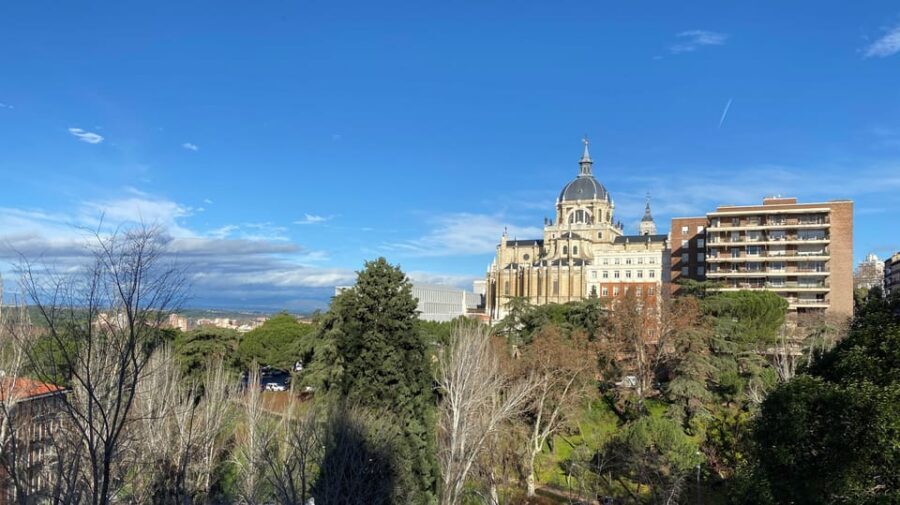
Then you reach Almudena Cathedral for a guided visit of about 15 minutes. This is one of the stops where the included church entrance matters. Cathedrals are perfect for a tour like this because they often reflect long construction timelines and shifting tastes—exactly the kind of thing an architect guide likes to explain.
If you enjoy hearing how materials, massing, and façade choices communicate status, this is a rewarding stop. Even if the cathedral’s style feels different from the surrounding monumental spaces, the guide can help you read that difference as part of Madrid’s timeline.
Arab Wall remains: the city’s older spine under modern life
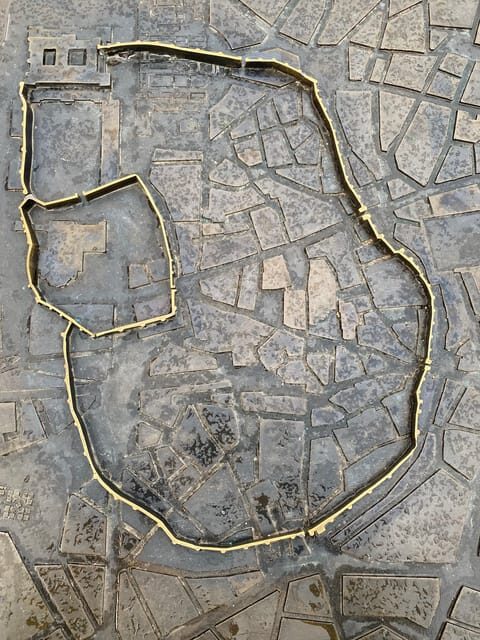
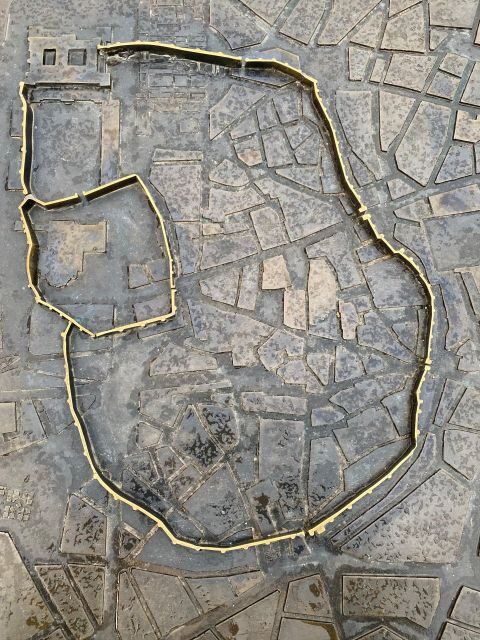
Now the tour shifts from monumental buildings to the deeper urban skeleton with the Arab Wall remains (about 15 minutes of sightseeing). This is the kind of stop that makes the rest of the tour click.
Walls change everything about how cities grow. They influence street patterns, neighborhood boundaries, and where power concentrates. Seeing remnants rather than a full reconstruction helps you understand that Madrid did not always look like its current grand center. It had edges, defenses, and internal logic that later rulers built on or reshaped.
Plaza de la Villa: older town center energy in a smaller setting
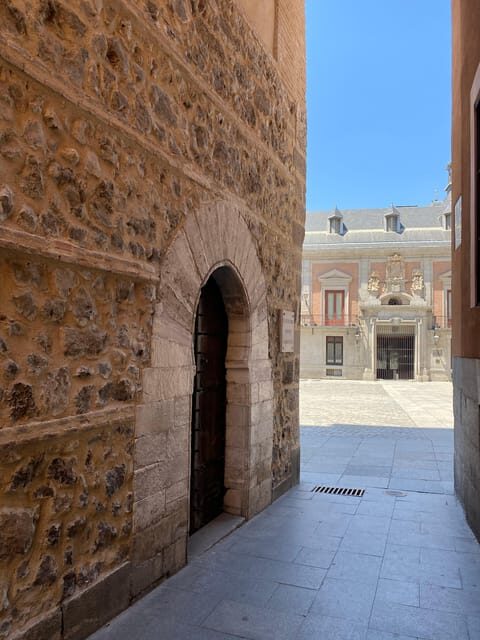
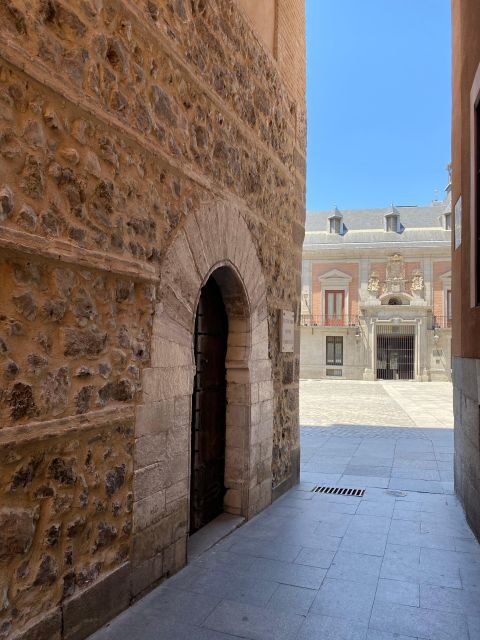
After that, you walk to Plaza de la Villa, with about 15 minutes of walking time. Plaza de la Villa is tied to the old civic core—this is where the old town hall stands—so it’s a good counterweight to the royal storyline.
This stop is also where you’ll likely feel the more everyday side of Madrid’s historic center. Even without a long “museum” style visit, a square like this can teach you how public life moved across the city over time.
On the way, the route crosses Cava Baja, known for old tavern atmosphere. That matters because architecture isn’t only palaces and churches. It’s also the shape of nightlife streets and how people have gathered around food and drink for generations.
San Miguel Market: architecture meets daily rhythm (and a drink)
Next is San Miguel Market for about 10 minutes of guided time. This is not a formal architecture museum stop, but it’s useful. Markets are architectural statements about commerce and social space.
The tour sets you up for a practical moment here: it’s a good place to have a drink after seeing the nearby historic squares. You won’t get snacks included, so bring your own plan if you want something more than a quick refresh.
Also, think of this stop as a transition. You’ve spent time looking at power structures and city boundaries. Now you’re looking at how people live inside those structures.
Plaza Mayor: the main stage for social and commercial life
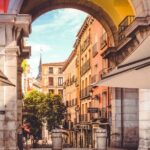
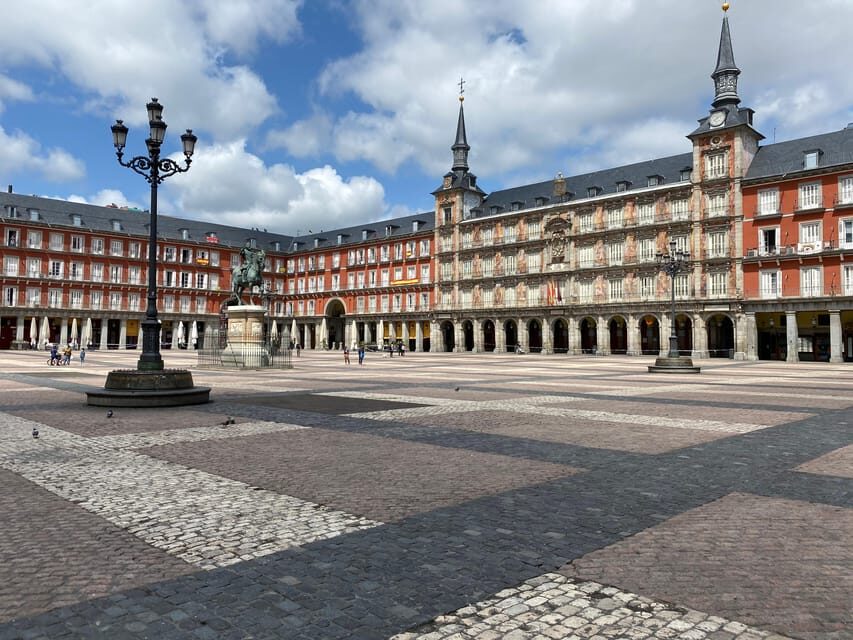
The final big anchor is Plaza Mayor, with guided time and the tour ending there. Plaza Mayor is described as the main square where social and commercial life used to center—so it’s the perfect closing chapter.
By the time you arrive, you’re no longer just seeing “a pretty square.” You understand why the square matters: it’s public space shaped by the city’s political and economic evolution. The guide’s job is to help you connect the dots from earlier eras to how this square served as a daily hub.
Take your time here. Stand at the edges and look inward. That “architectural reading” habit you’ve been building all tour will pay off instantly.
What to look for during the walk (so you get more from every stop)
If you want this to feel worth every step, do a few quick mental checks as you go:
- Watch for how the guide explains urban planning choices, not just building features.
- Notice how plazas and streets “hand off” foot traffic from one era to the next.
- Compare monumental spaces (palace and cathedral areas) with older urban remnants (like wall remains).
- Keep an eye on sightlines. This route is designed around the way Madrid reveals itself in segments.
- If your guide shares extra context about the area, jot down the name of a feature you want to spot later.
This tour rewards attention. It’s not about speed. It’s about learning how Madrid’s architecture and politics talk to each other.
A good fit: who should book this architecture tour
This is ideal if you:
- like architecture and want an architect-led explanation instead of generic sightseeing
- enjoy history when it’s tied to streets, buildings, and power
- want a focused walk through the historic center rather than museum hopping
- speak English or Spanish and prefer a private-group pace
It might not be for you if:
- you expect a long interior-heavy itinerary (the Royal Palace interior is not included)
- you have limited mobility, since it is not suitable for wheelchair users
- you dislike walking in a dense, historic core where you’ll frequently be passing between major points
Should you book Old Historic Madrid with an architect?
If you care about how Madrid got built—who shaped it, why it looks the way it does, and how old boundaries and royal ambitions still affect the street plan—you should book this. The private format, the architect perspective, and the mix of royal monuments plus older urban remnants (like Arab Wall remains) make it feel more like a guided “city reading” than a checklist.
If your priority is inside-the-palace experiences or a lighter, less architectural tour, you may want a different option. But if you want to learn Madrid by looking closely at what still stands—and what still survives—you’ll likely leave with a much clearer mental map of the city.
FAQ
How long is the architecture tour?
The tour lasts 3.5 hours.
Where is the meeting point?
You meet at the entrance of a Starbucks at one corner of the Teatro Real.
What areas of Madrid does the tour cover?
It focuses on Old Historic Madrid, centered on royal landmarks and historic urban features, including wall remains and major squares.
Is the Royal Palace interior included?
No. The tour reviews the Royal Palace area, but it does not visit the Royal Palace interior.
Which languages are available?
The live guide offers English and Spanish.
What is included in the price?
Included: the guide fee and entrance to churches.
What is not included?
Not included: drinks or snacks and personal expenses.
Is the tour private or shared?
It is a private group tour.
Is it suitable for wheelchair users?
No, it is not suitable for wheelchair users.
What should I wear or bring?
In winter, bring warm clothes. In summer, bring sun protection (sunglasses and a hat), plus cold water.