REVIEW · MADRID
Black History Tour of Madrid: Heritage & Resistance
Book on GetYourGuide →Operated by Afroibérica Tours · Bookable on GetYourGuide
Madrid has another story to tell. This Black History Tour of Madrid pulls the threads of African legacy and resistance into famous landmarks, using guided storytelling to show how slavery and survival shaped the city you walk through. I like that it treats Afro-European history as part of Madrid’s everyday map, not as a side note.
I also like the structure: a tight 2-hour route with clear photo stops and a guided segment at Almudena Cathedral. One thing to keep in mind: no food or drinks are included, so plan for water and energy before you start.
In This Review
- Key Highlights You’ll Care About
- Why This Black History Tour Makes Madrid Make Sense
- Getting Started at Plaza de Isabel II (and What to Bring)
- Stop 1: Royal Palace of Madrid Photo Stop with a Hard Turn in the Story
- Stop 2: Almudena Cathedral Guided Tour Where the Conversation Gets Specific
- Stop 3: Puerta del Sol Finish and the Value of Ending in the Center
- The Real Payoff: What You Learn Beyond the Sites
- Price and Value: Is $40 Fair for Two Hours?
- Who This Tour Suits Best (and Who Might Be Less Happy)
- What to Expect From the Guide and the Group Format
- Should You Book the Black History Tour of Madrid?
- FAQ
- FAQ
- How long is the Black History Tour of Madrid?
- How much does the tour cost?
- Where do I meet the guide?
- Where does the tour end?
- What languages are available for the live guide?
- Is the tour wheelchair accessible?
- Is this a private group tour?
- What is included in the price?
- Are food or drinks included?
- Can I cancel for a full refund, and can I pay later?
Key Highlights You’ll Care About
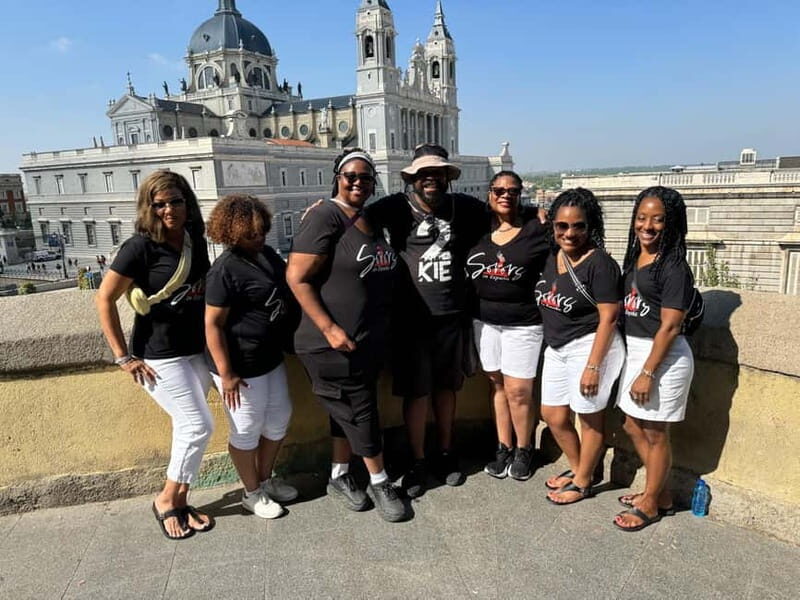
- Madrid’s black presence in the city’s layout: You’ll connect people’s lived reality to the places that still dominate the view.
- Afro-European history in plain sight: The tour focuses on what’s often overlooked, but right in front of you.
- A guide like Kwame who makes it clear: One review highlights Kwame’s ability to guide with warmth and focus.
- Major central landmarks, short stops: Royal Palace viewpoints and Almudena Cathedral keep it practical for a 2-hour outing.
- Designed for meaning, not just sightseeing: It’s aimed especially at Black travelers and educators, but welcome for anyone who wants respectful engagement.
- Walkable and accessible: It’s listed as wheelchair accessible and run as a private group.
Why This Black History Tour Makes Madrid Make Sense
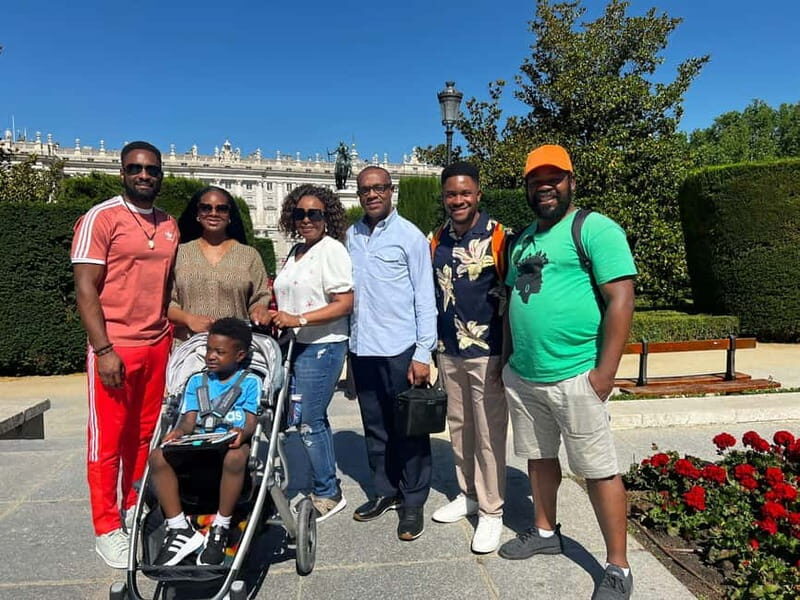
Madrid is full of grandeur. Palaces, cathedrals, broad plazas—easy to admire, easy to photograph. What’s harder to see is the human story that sits behind the beauty. This tour is built to change that. You’ll follow a route through iconic spots while the guide connects them to Madrid’s slave history, African legacy, and resistance—centuries before most mainstream narratives bother to mention it.
The program’s framing is called Echoes of Africa, and it’s specifically designed to bring Afro-European history forward. That matters because the tour isn’t trying to be a generic “history walk.” It’s designed for deeper conversations, using storytelling, visual material, and community-centered discussion. You can expect the guide to keep returning to people and impact, not just dates.
I like that the tour gives a larger Atlantic World context without turning it into a lecture. Spain was the penultimate territory of the Atlantic World to abandon slavery definitively. That one fact alone helps you understand why this topic isn’t a distant, abstract chapter—it connects to what Spanish society became afterward.
And yes, you’re still in Madrid. You’ll still stand in the same places other people do. The difference is the caption you’re given while you’re looking.
You can also read our reviews of more historical tours in Madrid

Getting Started at Plaza de Isabel II (and What to Bring)
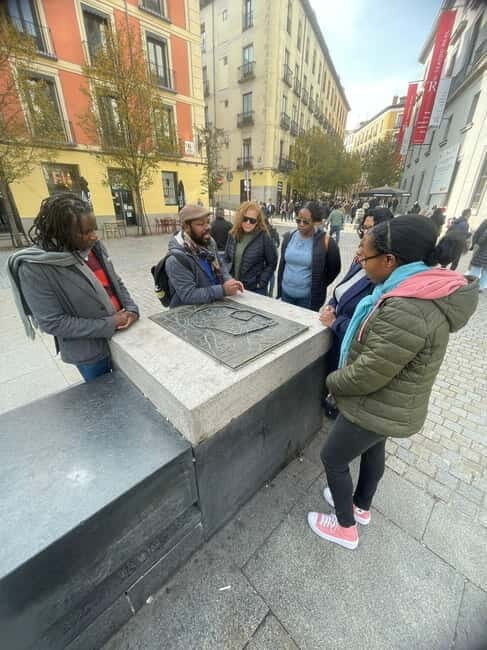
The meeting point is outside Starbucks at Plaza de Isabel II, at the Metro Opera station. This is a practical start: it’s central, easy to find, and it sets you up for walking in Madrid’s core.
You’ll want comfortable shoes. A 2-hour walking tour can still be surprisingly tiring if you arrive in sandals or brand-new sneakers. Bring sunscreen and sunglasses too. The route passes through open squares and street-level viewpoints, so sun can hit hard even when the rest of your day feels mild. A sun hat is also on the suggested list, which is a good call for mid-day timing.
Bring a reusable water bottle. Food and drinks aren’t included, so you’ll be responsible for your own hydration. The packing list also mentions cash and a credit card—useful if you plan to buy water or something after the tour.
One more detail I appreciate: the tour is listed as wheelchair accessible and run as a private group. That doesn’t mean zero walking, but it does signal that the route and pacing are planned with mobility in mind. If you use a wheelchair or need a slower pace, you’ll be better served by a tour that doesn’t assume everyone can keep up with fast tourist groups.
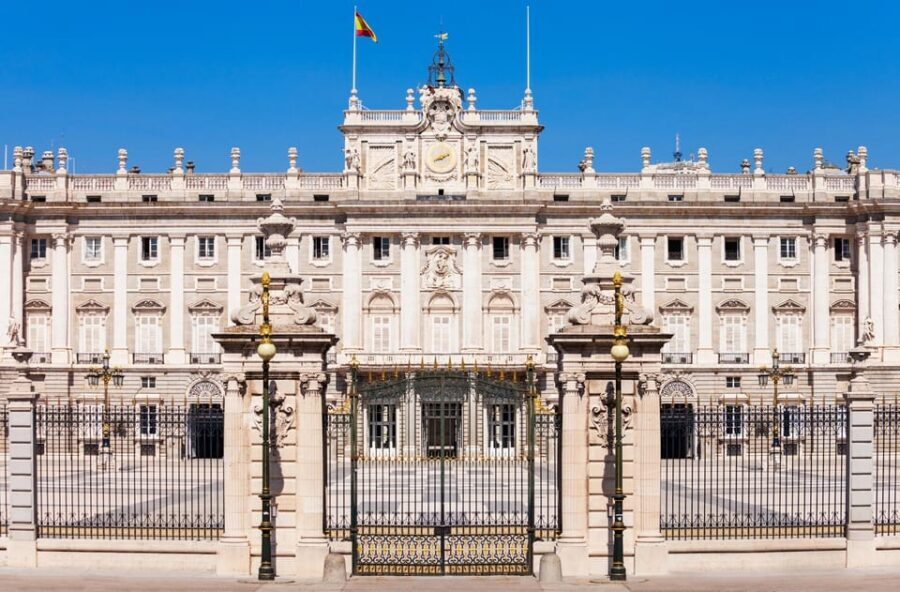
Stop 1: Royal Palace of Madrid Photo Stop with a Hard Turn in the Story
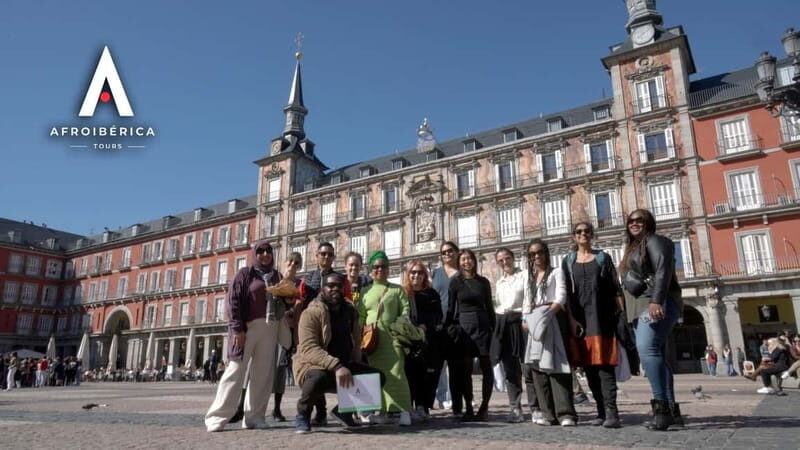
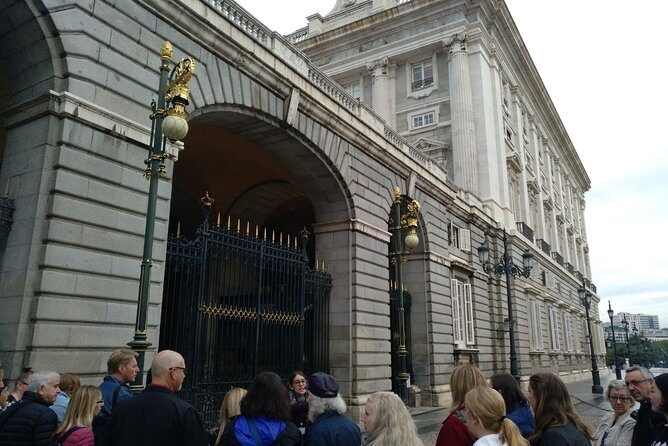
After meeting at Plaza de Isabel II, you’ll head to the Royal Palace of Madrid. Expect a photo stop first—so yes, you’ll get your postcard angle. But the point is what comes next.
This tour uses Madrid’s most famous architecture as a teaching tool. The guide connects enslaved people’s influence to the city’s configuration as it exists today. That’s the key idea: it’s not only about slavery as a past event. It’s about slavery as a force that shaped the built environment and the power structures behind it.
A possible drawback at this kind of stop is simple: the Royal Palace area can be visually loud. People take photos, buses pass, and the setting can pull your attention back toward spectacle. If you want this tour to land the way it should, stay mentally in listening mode during the storytelling portion.
Also note that a safety briefing is scheduled at this stop. That’s a good thing. On an urban walking tour, it’s the difference between feeling rushed and feeling guided.
Stop 2: Almudena Cathedral Guided Tour Where the Conversation Gets Specific
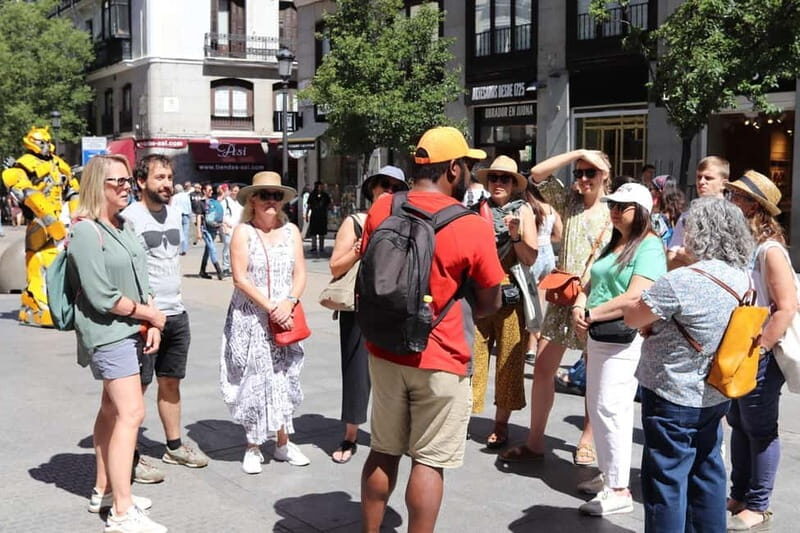
Next is Almudena Cathedral. Like the Royal Palace, you’ll have a photo stop. Then you’ll get a guided tour and another safety briefing.
This is where you’ll likely feel the tour shifting from general context into more focused explanation. A cathedral stop isn’t just about architecture. In a tour like this, places of religious authority often help explain social order—who held power, who benefited, and how public life enforced boundaries.
Even if you’re not a cathedral expert, you’ll have something to listen for: how the guide ties history to what you’re seeing in front of you. The tour’s overall theme is the hidden chapters of African legacy, resistance, and culture woven into Madrid’s streets. Almudena Cathedral gives the story a setting that’s hard to ignore.
Keep your eyes open for pacing here. The tour is only two hours total, so the guide has to move efficiently between meaning-heavy segments. If you need extra time for photos or quiet reflection, a private group format can help. It’s listed as private, so you’re not competing with a big crowd for attention.
Stop 3: Puerta del Sol Finish and the Value of Ending in the Center
The tour finishes at Puerta del Sol. This is one of those places where Madrid feels like Madrid—busy, central, and full of everyday movement.
Ending at Sol is smart for you if you want to keep the day going immediately after the tour. You’ll likely be close to transit, shops, and other sights. It also helps the story land. You start at a plaza where you can regroup easily, you move through high-profile landmarks, and then you land in the main public square where people mill around without thinking about the forces that shaped society.
One small thing to watch: the activity notes that it ends back at the meeting point. Meanwhile, the itinerary lists Puerta del Sol as the finish. In practice, that usually means you stop at Sol but still return you to the general meeting area. Either way, plan your next activity with some flexibility—your guide will manage the flow.




The Real Payoff: What You Learn Beyond the Sites
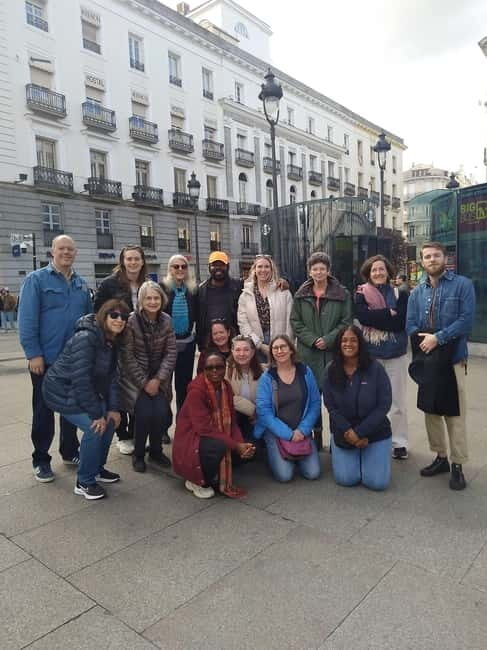
This tour isn’t just about where you stand. It’s about why those places exist in the form they do, and how African presence and resistance fit into Spain’s story.
The experience is described as a journey through Spain’s capital that’s designed especially for Black travelers, educators, institutions, and cultural organizations. That focus is practical. It shapes the kind of questions the guide asks and the kind of visuals and discussion you’ll get. If you’re coming to Madrid with curiosity and respect for this topic, you’ll find the tone more intentional than the usual “walk and listen” approach.
You should also expect honest conversation rather than vague references. The tour is meant to bring slavery history to the forefront, including how enslaved people influenced the city’s configuration as we know it, past and present. That means you’re not only learning about what happened. You’re also being nudged toward what still echoes.
The guide is also a big part of the value. One highlight from the experience is that Kwame guided the tour for at least one group, and the feedback praised how interesting and eye-opening the experience felt. I take that as a signal that the narration is organized and readable. When a story is heavy, the delivery matters. A guide who can keep it clear and human makes the whole thing easier to process.
Price and Value: Is $40 Fair for Two Hours?
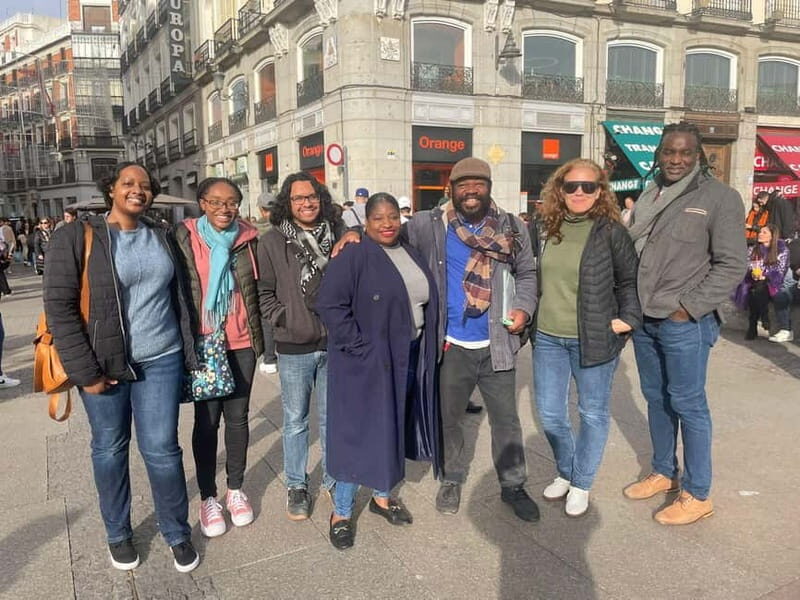
The price is $40 per person for a duration of about two hours. It includes guide services, and it does not include food or drinks.
Here’s how I’d judge the value: you’re paying for a live guide, structured route planning, and meaning-heavy storytelling at premium locations (Royal Palace area and Almudena Cathedral are not random streets). You’re also getting a private group format listed for the activity, which tends to improve the Q&A and attention level compared to huge group tours.
If you were paying for a general Madrid walking tour at the same time window, it might cover monuments and general context. This one leans hard into Afro-European history and resistance, with a specific framing that’s not typical for standard sightseeing. If that topic matters to you, $40 for two hours with a live guide can feel fair—and sometimes like a bargain—because you’re buying clarity and perspective, not just access to viewpoints.
The main cost to you is what the tour doesn’t include: water, any snacks, and time outside the tour for follow-up. Since food and drinks aren’t included, I’d plan for a quick snack either before you meet or after you finish around Puerta del Sol.
Who This Tour Suits Best (and Who Might Be Less Happy)
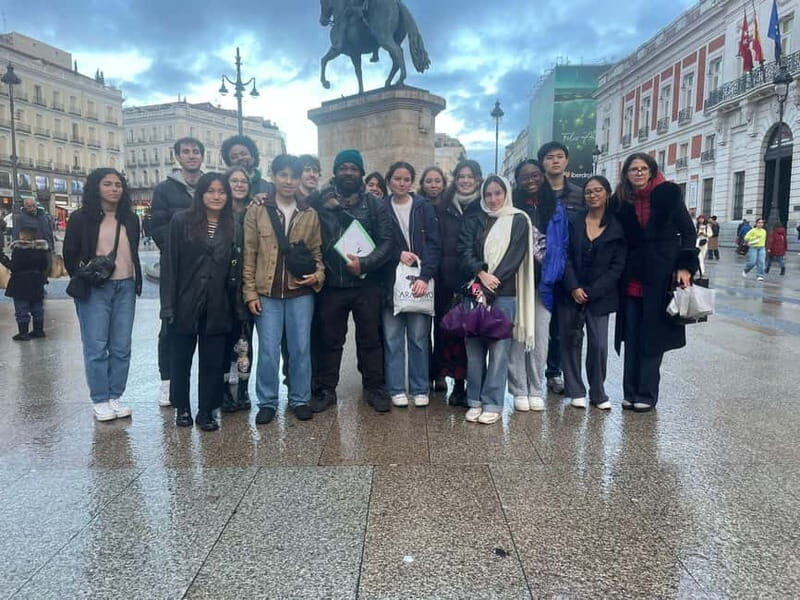
This tour is a strong fit if:
- You want Afro-European history explained with direct focus on African legacy and resistance.
- You like guided interpretation rather than just walking past landmarks.
- You prefer a private group format and a guide who keeps the story clear.
- You’re an educator, student, or cultural organization looking for a meaningful engagement format.
It may be less ideal if:
- You only want casual sightseeing with minimal discussion.
- You expect the tour to be light, celebratory, and short on hard topics. The theme centers slavery and its legacy.
- You need food and a longer hang time on the route. No food or drinks are included and the duration is two hours.
Also, for anyone managing mobility needs: the tour is listed as wheelchair accessible, which is a good sign. Still, you’ll be walking and standing for photo stops, so wear shoes that work for your situation and don’t hesitate to ask the guide about pacing expectations before you start.
What to Expect From the Guide and the Group Format
The tour is run by Afroibérica Tours. It’s a live guided experience with English and Spanish options, and the meeting and end points are clearly tied to central transit.
It’s also listed as a private group, which generally means you get a tighter experience. Instead of being a passenger in a crowded wave, you’ll be closer to a guided conversation. That’s especially important for a topic like this, where discussion can deepen understanding.
The language options matter too. If you want English or Spanish, you’ll have that choice. For language comfort, I’d pick the option you can fully listen in without straining. It’s a history tour, and the details need attention.
Should You Book the Black History Tour of Madrid?
If you want Madrid to feel more honest, book it. This is a structured, two-hour route that uses major landmarks to tell a story many people don’t hear often enough. The combination of Afro-European focus, street-level connection to slavery history, and guided conversation makes it a good use of time—especially if you care about context, not just photos.
I’d book if you have enough energy for walking and you’re ready for a serious subject told in a human way. Come prepared with sunscreen, comfortable shoes, and your own water plan. Then show up with an open mind and a willingness to look at the city differently once the guide shifts the lens.
FAQ
FAQ
How long is the Black History Tour of Madrid?
The tour lasts 2 hours.
How much does the tour cost?
It costs $40 per person.
Where do I meet the guide?
Meet the guide outside Starbucks at Plaza de Isabel II, near Metro Opera.
Where does the tour end?
The itinerary finishes at Puerta del Sol, and the activity notes that it ends back at the meeting point.
What languages are available for the live guide?
The tour offers live guidance in English and Spanish.
Is the tour wheelchair accessible?
Yes, it is listed as wheelchair accessible.
Is this a private group tour?
Yes, it is listed as a private group.
What is included in the price?
The guide services are included.
Are food or drinks included?
No, food and drinks are not included.
Can I cancel for a full refund, and can I pay later?
Yes. You can cancel up to 24 hours in advance for a full refund. You can also reserve now & pay later (pay nothing today).