REVIEW · MADRID
Full Day Tour to Avila & Segovia from Madrid
Book on Viator →Operated by The Yellow Tours · Bookable on Viator
Two UNESCO towns in one long day.
What makes this trip fun is the contrast: Ávila’s heavy stone walls and Segovia’s fairytale castle both feel instantly real once you’re standing there. I like that you get a tour guide working in English and Spanish, so you’re not stuck waiting for one language to catch up. I also like that you’re not on a strict script the whole time—you get breathing room to wander on your own in each city.
One thing to plan for: this is a busy schedule with lots of walking. Even though the tour runs about 11.5 hours on paper, real-world traffic and timing can make the day feel tighter, especially around the paid sights and when you’re trying to eat without rushing.
In This Review
- Key Highlights Worth Your Time
- The Madrid-to-Ávila-and-Segovia Rhythm
- Ávila’s Walls: Big Stone, Serious Defenses
- Free Time in Ávila: Decide How Deep to Go
- Segovia Cathedral and Plaza Mayor: A Gothic Pause in the Center
- The Alcázar of Segovia: The Castle-Palace on the Rock
- Segovia Aqueduct: Roman Engineering Still Standing Strong
- Walking Load and Timing: How Not to Feel Rushed
- Tour Guides: Where the Day Really Makes or Breaks
- Price and Value: What You Get for the Money
- Who Should Book This Tour (and Who Might Prefer Another Plan)
- Should You Book This Tour?
- FAQ
- How long is the tour?
- What time does the tour start in Madrid?
- Where is the meeting point in Madrid?
- What languages are the guides?
- Are entrance tickets included for the monuments?
- Is there free time to explore?
- Are children allowed?
- Can I get a refund if I cancel?
Key Highlights Worth Your Time
- Bilingual guiding that stays with you in both cities, with clear switching between English and Spanish (names like Angie, Ramiro, Alejandro, and Monica show up in guides leading these walks)
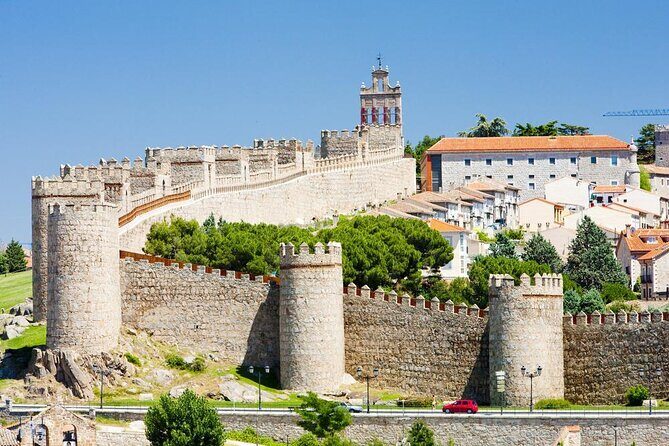
- Ávila’s iconic defensive walls and gates, including the scale details: 2,516 meters of perimeter and 88 semicircular towers
- Segovia in the classic order, starting with the Plaza Mayor area and moving toward the Alcázar and the Aqueduct
- Free time built into the day, so you can grab lunch, take photos, and explore side streets without feeling locked to the group
- A great value structure for a one-day hit, because bus + guided walks are included, while only certain monument entrances cost extra
The Madrid-to-Ávila-and-Segovia Rhythm
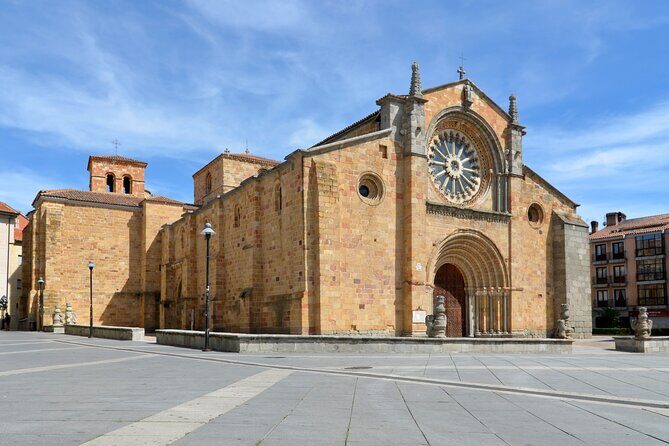
This tour starts early in Madrid at 9:00 am, and you return to the same meeting point in the city center. The total time is listed at about 11 hours 30 minutes, and that includes the round-trip bus ride, so you should mentally budget for a full day out of town.
The bus ride is part of the value here. You get round-trip transport on a comfortable bus, and the group size is kept to a maximum of 50 travelers, which usually makes it easier to manage the walk sections and meet up again fast. On hot days, people often point out the air conditioning as a welcome relief.
Just remember: once you arrive, the schedule keeps moving. The day is designed to show you the big signatures of both cities, so you’ll be walking and making decisions in real time about what’s worth entering and what you can enjoy from the outside.
You can also read our reviews of more tours and experiences in Madrid

Ávila’s Walls: Big Stone, Serious Defenses
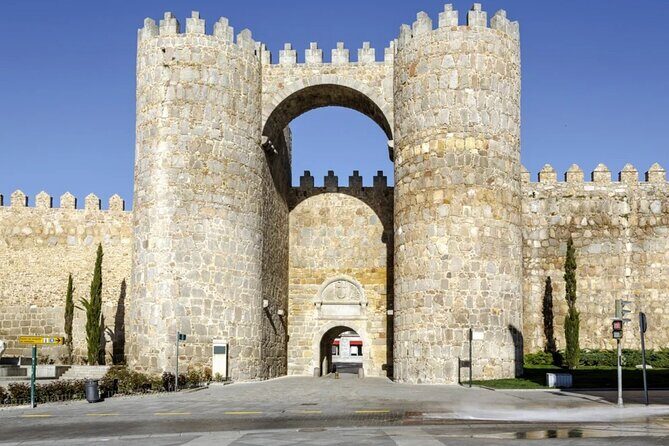
Your first real taste of Ávila is the Las Murallas de Ávila stop. This is not just a wall for photos. It tells a story of how a city protected itself for centuries—work began in 1090, but much of the wall you see today was rebuilt in the 12th century.
The numbers here are impressive. The walled area forms an irregular rectangle of about 31 hectares, with a perimeter of roughly 2,516 meters. You’ll also see that the system is built with 88 semicircular towers and nine gates completed across different periods.
The wall stop is listed with no admission fee, which matters because it keeps the early part of the day from turning into a ticket scramble. Even if you don’t do a full wall-top walk (not promised here), you still get the defining “wow” moment: Ávila looks and feels walled in a way that’s hard to recreate anywhere else.
Practical tip: wear shoes you trust. Reviews repeatedly mention hills and walking. Ávila’s historic core is best enjoyed when your feet are ready for uneven stone and slopes.
Free Time in Ávila: Decide How Deep to Go
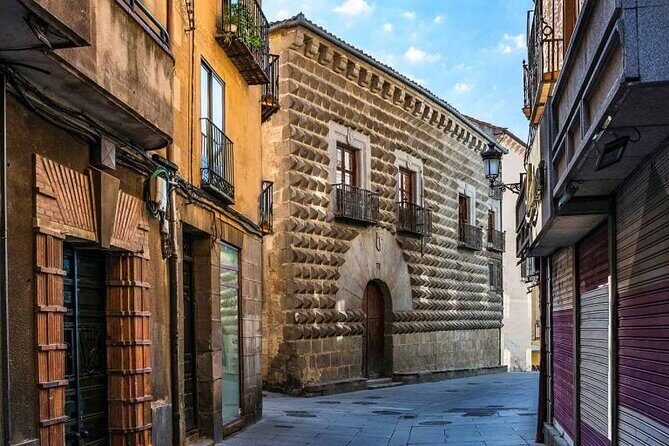
After the early wall viewing, you’re given free time to explore Ávila on your own. This is where the day can either feel relaxed or rushed, depending on how quickly you move.
A smart move is to pick one main lane for your wander. If you want views and slow photos, aim for viewpoints and the wall areas first, then loop back for lunch. If you want shopping or a casual bite, plan to do it earlier in your free time rather than treating it like an afterthought.
One helpful on-the-ground tip: many people use their Ávila break to stop by Casa de Postas for a simple local snack such as seafood on toast, often suggested as a low-cost option. It’s a nice way to refuel without locking yourself into a long sit-down lunch while you still have the rest of the day ahead.
Also, keep your eyes on opening hours for anything you want to enter. In at least one case, the cathedral area timing was tight enough that visitors couldn’t get inside. If you’re hoping to go inside paid monuments later, you’ll want to guard your schedule in Ávila so you’re not “late by minutes” somewhere important.
Segovia Cathedral and Plaza Mayor: A Gothic Pause in the Center
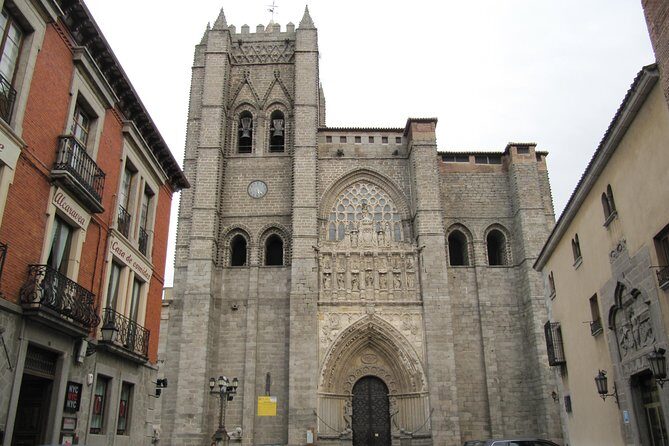
Segovia starts at the city center, with the Segovia Cathedral in the main square area around the Plaza Mayor. The cathedral is described as a Gothic-style Roman Catholic cathedral dedicated to the Virgin Mary, with construction in the mid-16th century.
This is the moment when Segovia shifts from medieval fortress vibes to full-on ceremonial stonework. You’ll see it from the square before the day moves on, which is useful because the cathedral entrance itself is not included in the tour price.
If you want to go inside the cathedral, you’ll need to plan for the admission fee, and you should also keep an eye on timing. That’s not always fun on a bus day trip, but it’s the reality with a schedule that has to cover two cities.
The good news: even without going in, the setting makes it easy to get your bearings fast. Plaza Mayor is a natural meeting point, and it helps you orient yourself for the rest of the afternoon.
The Alcázar of Segovia: The Castle-Palace on the Rock
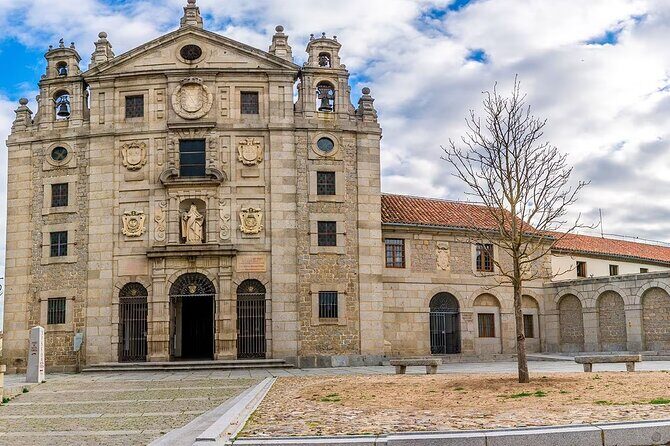
If Segovia has one must-see, it’s the Alcázar of Segovia. It sits on a rocky crag above the confluence of two rivers near the Guadarrama mountains, and its shape has been compared to the bow of a ship.
This place is special because it isn’t just “a castle.” It’s a castle that kept changing jobs over time: originally a fortress, then serving as a royal palace, a state prison, a Royal Artillery College, and a military academy. Today it functions as a museum and also houses military archives.
Here’s the key practical point: the Alcázar admission is not included. You’ll pay separately if you want to go in. The tour does include guided time around the visit, but the museum portion can be short depending on timing. One common piece of feedback is that the inside time can feel limited, and that buying your own ticket might give you more control over how long you stay.
So how do you decide? If you love castles and want to read exhibits at your pace, treat the Alcázar as a standalone priority and budget time for it. If you mostly want the exterior and a quick orientation inside, the guided portion can be enough.
Also watch the “hill factor.” The Alcázar is on an incline, and at least one visitor noted it required more effort than expected. If you have mobility concerns, plan your energy carefully and consider what you’ll do if you’re tired after Segovia Cathedral and the Aqueduct stop.






Segovia Aqueduct: Roman Engineering Still Standing Strong

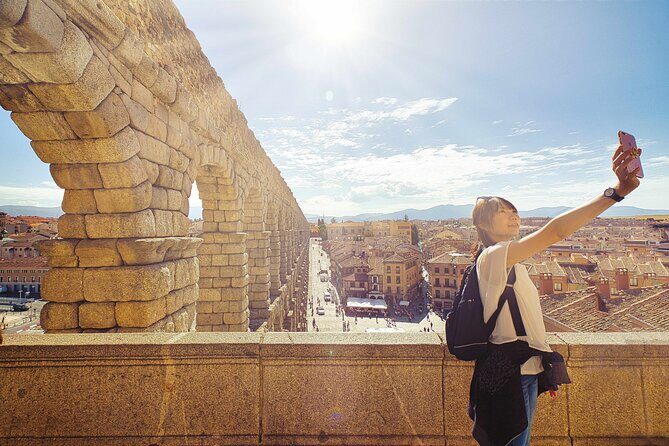
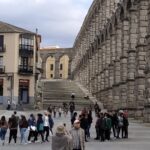
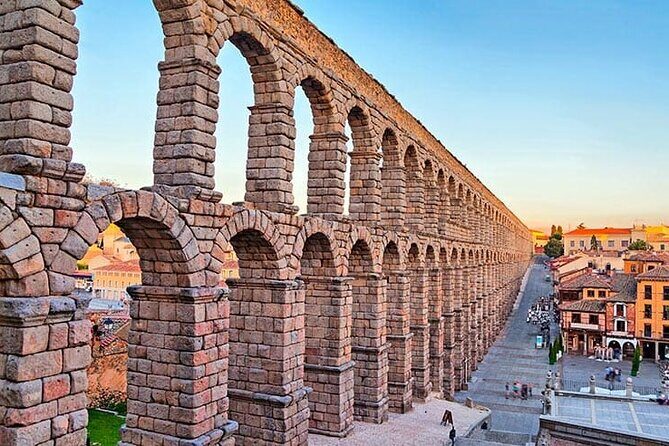
Next up is the Segovia Aqueduct, one of the best-preserved elevated Roman aqueducts. It’s also one of Segovia’s core symbols—so central that it appears on the city’s coat of arms.
For many people, this is the part that feels the most cinematic: the aqueduct runs across the city and makes Segovia look instantly historic even if you’re only there for a day. The tour lists this stop with no admission ticket required, which is a great use of time. You get to experience one of the city’s headline sights without paying extra just to see it.
If the weather is clear, aim for photos that include the changing perspective—tall arches look different depending on where you stand. And if it’s hot, don’t underestimate the time you’ll spend simply taking a breath in the shade before the next climb.
Walking Load and Timing: How Not to Feel Rushed
This trip is doable for most people, but it’s not a sit-and-see. Comfortable shoes are recommended for a reason, and the day includes walking segments in both Ávila and Segovia.
Expect uphill moments, especially around the Alcázar area. Even if you’re fit, you’ll want to pace yourself. If you get excited and sprint to everything, you’ll feel it later.
Timing can also be tight. The tour is advertised around 11.5 hours, but some days return closer to 10 hours and other days run right toward the longer end depending on bus schedules and city traffic. In other words: don’t plan a late dinner with big confidence right after you get back.
One small but important habit: when you’re given free time, decide early how you’ll use it. If you wait too long to eat or go into a monument, you’ll cut your own photo time. The tour does build in free time, but it doesn’t turn into unlimited time.
Tour Guides: Where the Day Really Makes or Breaks
The best part of this experience is often the human factor: you get an English and Spanish guide, and many people specifically praise guides who can switch languages smoothly without losing the plot.
Names that have come up include Angie, Ramiro, Alejandro, Monica, Luis, Albert, Jose Luis, and Julio. The takeaway for you is simple: this is a guided day trip designed to make history understandable, not just visible.
Still, language quality can vary. At least one comment highlights difficulty following if the guide mixes Spanish and English in a way that doesn’t work for your ear. And there’s also at least one negative story about a guide not being helpful when visitors asked for help with a taxi to reach a difficult uphill spot.
What you can do: if you need help for mobility or you’re worried about timing, take the initiative early in the day when you first have contact with the guide. That’s when you’ll get the best chance for practical problem-solving.
Price and Value: What You Get for the Money
At $60.46 per person, this tour can feel like a strong deal because several major pieces are included: round-trip bus, guides (English and Spanish), and guided-walking tours through both cities, plus free time to explore.
Where value can shift is in entrances and food. Entrance tickets are not included, and specifically catedral de Segovia and the Alcázar of Segovia have admission fees. Food and beverages aren’t included either.
So I tell you to shop this tour using a simple checklist:
- If you want the guided walking experience and would like to enter at least one paid monument, the price is often very fair.
- If you mostly want exteriors and you’re okay skipping paid entrances, you still get excellent sightseeing value because the key sights are accessible without extra tickets at several stops.
- If you plan to enter both the cathedral and the Alcázar, budget extra for tickets and don’t assume you’ll have time to linger inside at a leisurely pace.
This is why it’s useful that the day starts early and includes both cities: it turns “I want to see these places” into a managed plan, without you needing to coordinate transit and timing across two historic towns.
Who Should Book This Tour (and Who Might Prefer Another Plan)
This is a solid pick if you want:
- A one-day hit of Ávila and Segovia with less planning work
- A bilingual guide to help you connect the dots between walls, churches, aqueducts, and castles
- Free time in both cities so you can choose lunch and pacing
It’s less ideal if:
- You dislike walking or uphill terrain
- You want a slow, deep museum experience in the Alcázar (the guided approach may not give you long interior time)
- You’re extremely sensitive to tight schedules around monument hours
If Segovia is your top priority, you should go in knowing the day is structured to cover several big stops. One common theme in feedback is that Segovia ends up stealing the show, so you may wish you had extra time there.
Should You Book This Tour?
I’d book it if you want the efficient win: bus transport from Madrid, bilingual guiding, and the key icons of Ávila’s walls and Segovia’s Aqueduct and Alcázar in one managed day. It’s especially attractive if you’re traveling without a car and you’d rather spend your energy sightseeing than sorting transit.
I’d hesitate if you hate being on a clock. This is a packed day. Also, because key entrances aren’t included, you should be ready to pay for the cathedral and Alcázar if you want the full experience.
If your goal is to see as much as possible and you can handle walking, this tour is a strong use of time. If your goal is slow exploring, consider staying longer in one city instead.
FAQ
How long is the tour?
The tour lasts about 11 hours 30 minutes, including the round trip by bus.
What time does the tour start in Madrid?
The start time is 9:00 am.
Where is the meeting point in Madrid?
The tour meets at C. de San Bernardo, 5, Centro, 28013 Madrid, Spain.
What languages are the guides?
The tour includes an English and Spanish tour guide.
Are entrance tickets included for the monuments?
No. Entrance fees are not included for monuments such as the Catedral de Segovia and the Alcázar of Segovia.
Is there free time to explore?
Yes. You get free time to explore both Ávila and Segovia.
Are children allowed?
Children under four are free, and children must be accompanied by an adult.
Can I get a refund if I cancel?
Yes. You can cancel for a full refund up to 24 hours before the experience’s start time (local time).