Street art feels different in the streets. This Lavapiés tour turns Madrid’s walls into a real story you can walk alongside. In two hours you’ll spot oversized murals, track down smaller surprise pieces, and end at a local gallery, with guides who are artists or art historians.
I really like two things right away: the small group setup keeps the walk calm and neighborly, and my favorite part was how the guide, like Roberto, connects the art to the culture behind it. You don’t just look; you learn how to read styles and symbolism as you go.
One consideration: this is mainly an on-your-feet neighborhood walk, so if you want lots of indoor viewing time or big museum stops, this won’t match that mood.
In This Review
- Key things you’ll notice on this Lavapiés tour
- Why Lavapiés Street Art Works as a 2-Hour Walk
- Meeting in Portomarín: Start With a Local-Style Coffee Option
- Calle de Argumosa and the Reina Sofía Pass-By: A Quick Art Setup
- Mercado Antón Martín: Where Art Meets Daily Life
- Trampantojo cerámico de Lola Gil: When the Trick Is the Whole Point
- Calle de Embajadores: Big Murals, Hidden Pieces, and Style Clues
- Local Gallery Finale: Meet Artists and Understand the Meaning
- Price and Timing: What $33 Buys You in Real Value
- Who This Tour Is Best For (and Who Might Skip It)
- Practical Tips So You Get More From the Art
- Should You Book This Lavapiés Street Art Tour?
- FAQ
- FAQ
- How long is the Madrid Hidden Street Art Tour in Lavapiés?
- How much does the tour cost?
- Where do we meet for the tour?
- Is the tour guided, and what language is it in?
- How big is the group?
- Is the tour wheelchair accessible?
- What’s included in the tour price?
- Is buying art at the gallery included?
Key things you’ll notice on this Lavapiés tour
- Small group pace (up to 10): you get time to ask questions without getting swept along.
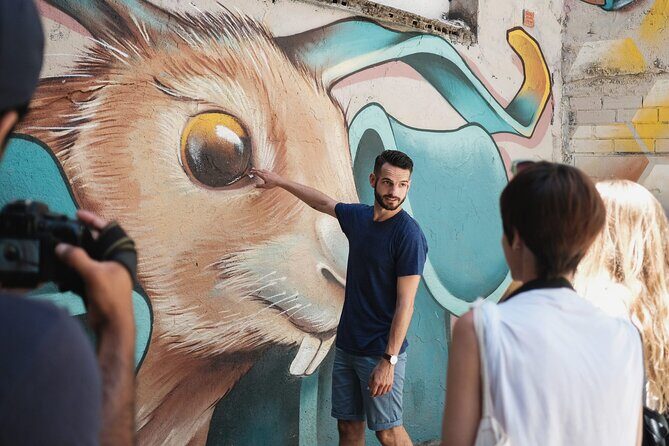
- Guides with art backgrounds: artists or art historians explain murals with context, not just names.
- Big walls plus tiny clues: you’ll see major murals and also subtler details you could miss alone.
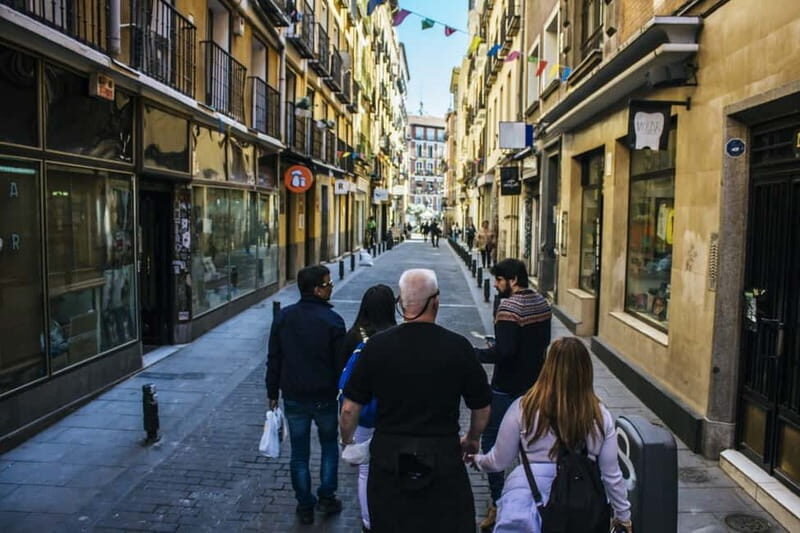
- A neighborhood feel: you’ll move through Lavapiés, a different Madrid than the usual postcard route.
- Gallery finale with local artists: the tour ends where street art connects to real people and new work.
Why Lavapiés Street Art Works as a 2-Hour Walk
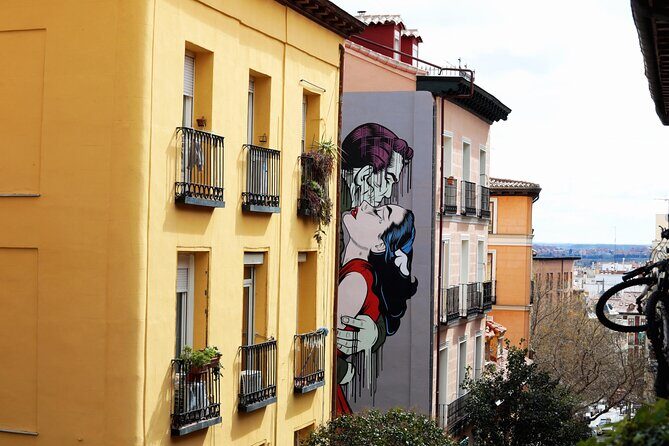
Lavapiés is Madrid’s mixed-bag neighborhood: creative, a little loud around the edges, and full of visual conversation on every block. That’s exactly why a timed walk like this works so well. You get enough time to see the range of the street art scene without it turning into an all-day chore.
What I like most is the balance between the obvious and the sneaky. You’ll start noticing the big murals first, then your brain switches gears to hunt for smaller details. That shift is the whole point of the tour.
And since the guides are artists or art historians, you’re not relying on generic talking points. You’re getting explanations that help you see what each piece is trying to say, and who it connects to.
You can also read our reviews of more tours and experiences in Madrid

Meeting in Portomarín: Start With a Local-Style Coffee Option
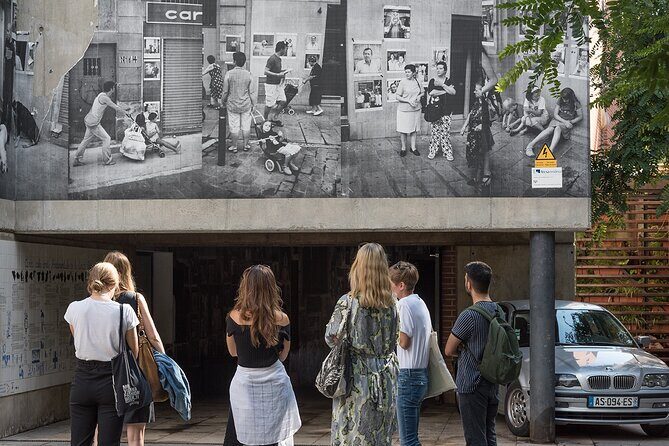
You meet in front of the Portomarin restaurant, which is a sensible start point because it puts you right in the neighborhood rhythm. If you arrive early, you can grab a coffee or a refreshment before the walk begins—handy when you’re getting set for a couple of hours outdoors.
This matters more than it sounds. A street art tour goes best when you’re not rushed. A simple start like this helps you get your bearings and focus on what’s ahead: murals, details, and the stories behind them.
Tip for your first minutes: take in the surroundings before your eyes lock onto the walls. Lavapiés’ street art works best when you notice the whole street—texture, surfaces, and how people move through it.
Calle de Argumosa and the Reina Sofía Pass-By: A Quick Art Setup
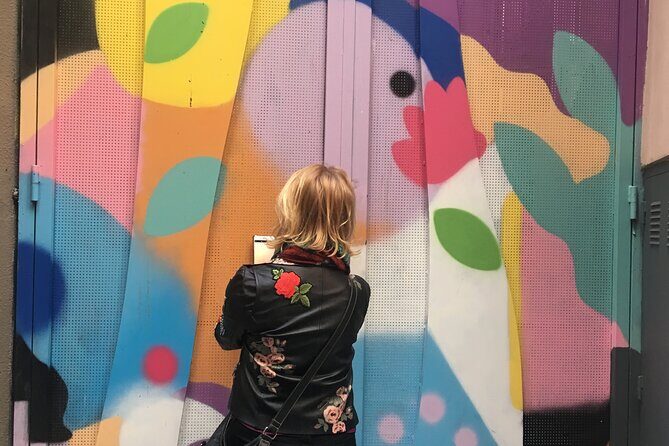
After you begin, you walk toward Calle de Argumosa for a short early segment. This is the warm-up phase. It’s where your guide gets you thinking like an art reader: where to look, what kinds of marks to notice, and how styles differ.
Then you pass the Museo Nacional Centro de Arte Reina Sofía for a quick look from the outside. You don’t spend time inside here, but the pass-by works as a mental contrast: formal museum art nearby, while Lavapiés shows what street art adds—immediacy, community, and a different kind of authorship.
If you’re the type who likes comparing styles and contexts, this stop makes the rest of the walk click faster. You start seeing street art not as random graffiti, but as part of Madrid’s broader art conversation.
Mercado Antón Martín: Where Art Meets Daily Life
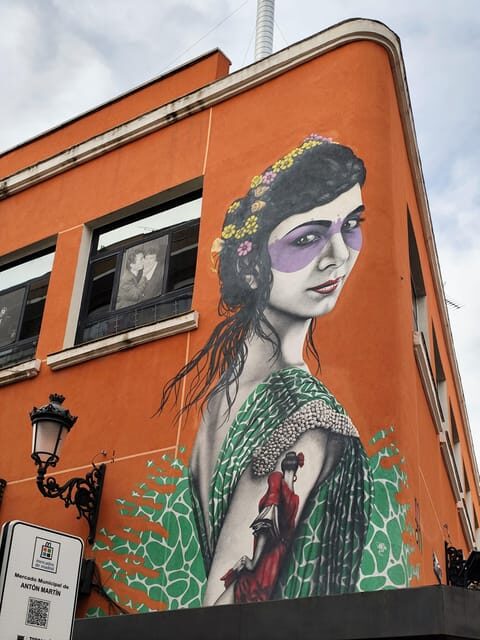
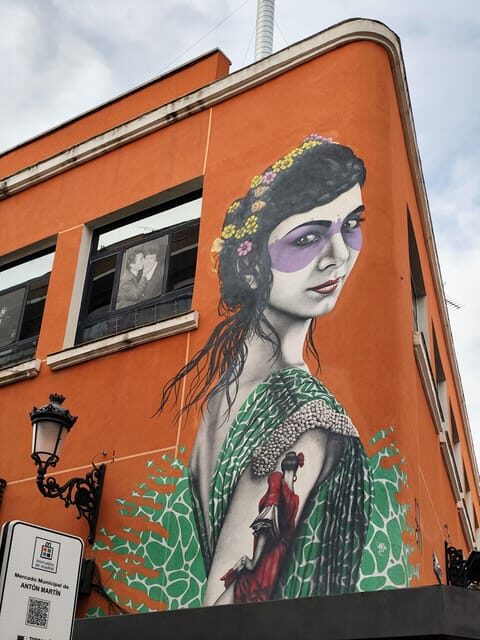
Next is Mercado Antón Martín, where the tour pauses for a visit and sightseeing. This is one of those stops that keeps the tour from feeling like a checklist of walls. Markets are where street art makes sense—right alongside everyday routines, smells, noise, and people buying lunch.
The value here is subtle. You learn that street art isn’t only for tourists and social media. It’s also for residents who live with the walls every day. Watching how the neighborhood uses the space helps you understand why some pieces stay powerful over time.
What to do: slow down when you’re near the market area. Let your guide point out specific works, then look again on your own. The second look is where you start spotting the little additions that make the big murals feel like part of a larger wall story.
Trampantojo cerámico de Lola Gil: When the Trick Is the Whole Point
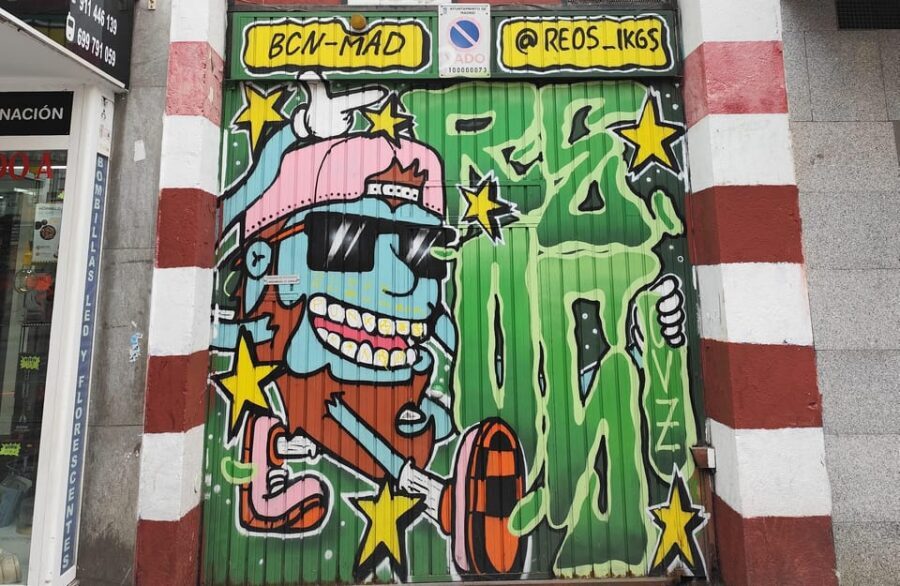
One of the most interesting labeled stops is the Trampantojo cerámico de Lola Gil. A trampantojo is basically an art trick—something that plays with what you think you’re seeing. In street art, that idea matters because the environment is already visual chaos, so the artist’s job is to guide your perception.
This stop is also a reminder that street art isn’t only about paint and spray. You’ll see references to different mediums and techniques, and your guide helps you connect the dots to the cultural context.
If you’re used to reading street art as only tags and murals, this is where you realize you’re also looking at design choices: how the artist uses surface, pattern, and illusion to make the wall feel more alive.






Calle de Embajadores: Big Murals, Hidden Pieces, and Style Clues
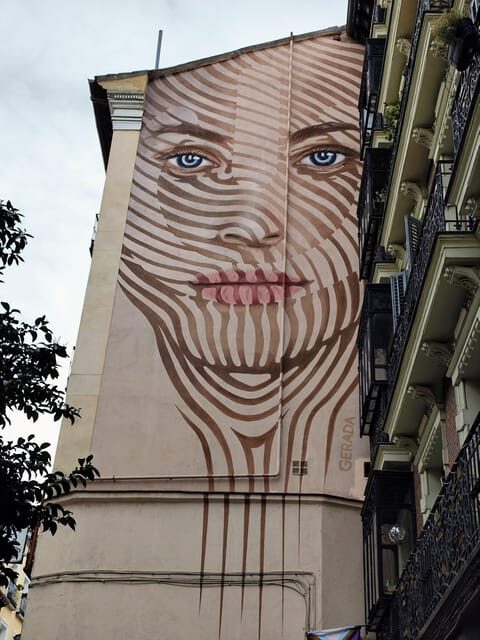
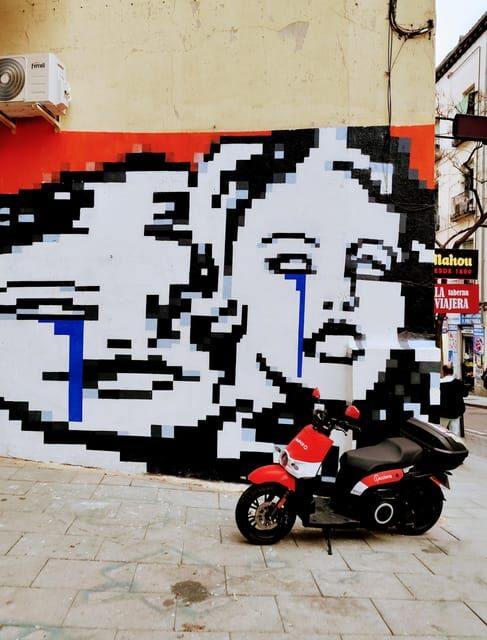
The tour’s street-art hunting gets especially fun on Calle de Embajadores, where you’ll spend a longer stretch visiting, sightseeing, and walking. This is where the “big and important” pieces show up, alongside those smaller moments that feel like a secret handshake.
One thing I really appreciate about this part is the way the guide teaches you to recognize different approaches to street art. You start learning the differences between styles like tags, paste-ups, and urban sculpture. Even if you’ve seen graffiti before, the tour helps you separate what’s purely signature-style from what’s built to communicate a message.
And you’ll also get ideas about interpreting hidden messages and cultural references. That’s what turns the tour from sightseeing into a real skill. After a while, you’ll notice that not every wall is trying to be loud; some are meant to be read slowly.
If it’s hot, keep your pace. One review mentioned the walk felt right for a hot afternoon, which tells me the guides pay attention to comfort. Still, bring water and don’t force a sprint if you’re taking photos. Let your guide set the tempo.
Local Gallery Finale: Meet Artists and Understand the Meaning
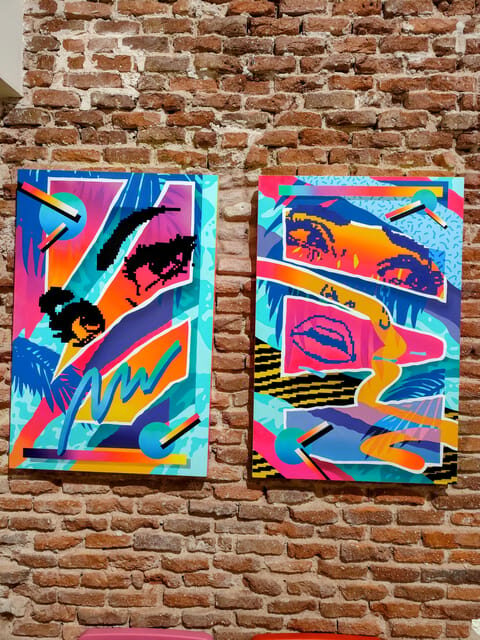
The tour ends with a visit to a local art gallery in the neighborhood. This stop is more than a photo op. It’s how the street art world connects to formal presentation—where you can meet artists and see how the themes travel from walls to exhibitions.
The tour also helps you understand why street art is more than decoration. You’ll hear about main artists on the scene, what their work symbolises, and the cultural references behind it. Then, in the gallery, you get a more direct view of the people making it.
There’s one important money note. The art you fall in love with at the gallery is not included—you’ll have to pay for any purchases. But that’s also part of the value: you’re not being pressured into anything, and you can decide on the spot if you want to bring a piece home.
A practical suggestion: go into the gallery ready to look at technique, not just images. The tour primes you to notice details in a way you might not on your own.
Price and Timing: What $33 Buys You in Real Value
At $33 per person for 2 hours, this sits in the “good value if you want context” zone. The cost isn’t only for walking around. You’re paying for a chosen route, plus a live guide with an art background who connects what you’re seeing to meaning.
The small group size—limited to 10 participants—is a big part of the value. In a larger group, street art explanations get lost. Here, you can actually hear the details and ask follow-ups. That’s the difference between seeing walls and learning how to read them.
Also, the tour is in English, which matters in Madrid if your Spanish is still warming up. You’ll get explanations that let you stay focused on the art rather than guessing what you’re looking at.
Another timing plus: it’s short enough to fit into a busy day. You can do this without rearranging your whole itinerary, then still explore Lavapiés on your own afterward with your new “how to see” skills.
Who This Tour Is Best For (and Who Might Skip It)
This is a strong fit for you if:
- you love street art but want more than names and locations
- you enjoy neighborhood walking that feels local, not staged
- you like learning how styles and symbols work
- you want a friendly pace with time for questions
It may be less ideal if you only want the most famous landmarks or you’re hoping for long indoor museum-style stops. Since it’s built around streets and a short gallery visit, the vibe stays grounded in the neighborhood.
If you’re traveling solo, this can also be a great way to meet people. A small group tends to feel more like a shared walk than a tour herd—useful when you want conversation without awkwardness.
Practical Tips So You Get More From the Art
Here are a few things that will help you turn the tour into better memories.
- Wear comfortable shoes. Lavapiés is walk-based, and you’ll cover multiple streets in two hours.
- Bring a water bottle if it’s warm. You’ll be outside the whole time.
- Ask your guide what to look for. Styles like tags vs paste-ups get much easier once you’re prompted.
- Take photos, but also look with your eyes first. The tour teaches details that are easier to spot when you slow down.
The guides aim for a low-key experience, like you’re being shown the neighborhood by a friend. When you match that pace, the whole tour feels more personal.
Should You Book This Lavapiés Street Art Tour?
If you want a smart, friendly street art walk that helps you read the city’s walls, I’d book it. The mix of big mural moments, smaller hidden finds, and a guided explanation by artists or art historians is exactly the kind of experience that makes a neighborhood feel real.
For the price, you’re not just paying for locations. You’re paying for interpretation, and that changes how you see Madrid after the tour ends. If you’re curious about how street art communicates—and you’re okay with a couple of hours outdoors—this is a great way to spend your time in Lavapiés.
FAQ
FAQ
How long is the Madrid Hidden Street Art Tour in Lavapiés?
The tour lasts 2 hours.
How much does the tour cost?
It costs $33 per person.
Where do we meet for the tour?
You meet in front of the Portomarin restaurant.
Is the tour guided, and what language is it in?
Yes, it’s a live tour with a guide, and the tour is in English.
How big is the group?
The group is limited to 10 participants.
Is the tour wheelchair accessible?
Yes, it is wheelchair accessible.
What’s included in the tour price?
The price includes a curated route of the best street art and the local guide’s expertise.
Is buying art at the gallery included?
No. The art you fall in love with at the gallery isn’t included, so you would pay for anything you purchase.