REVIEW · MADRID
Museo Reina Sofía: Private visit with art expert
Book on GetYourGuide →Operated by Uizart · Bookable on GetYourGuide
Modern art gets easier with a guide. This private visit to Madrid’s Museo Reina Sofía is built around an expert who connects the dots in modern and contemporary European art, from the late 1800s to today. You also get a route that’s flexible to what you care about most, from major icons like Picasso, Dalí, and Miró.
I love how the experience is personalized to your interests, not a one-size-fits-all checklist. I also like that the guide is focused on what’s really going on inside the works, pointing out details you might miss if you’re just reading labels at your own speed.
One consideration: at $136 per person for a 2-hour visit, this is a great choice for art lovers who want guidance, but it may feel expensive if you only want a quick wander or you already know modern art well.
In This Review
- Key points to know before you go
- Why a private Reina Sofía tour makes real sense
- Meeting on the Landscape of Light, then getting inside fast
- The expert guide’s mission: modern art from 1881 to today
- Picasso, Dalí, Miró: how the tour ties icons together
- Picasso and Guernica: what you’re really looking at
- Dalí and Miró: different routes through modern ideas
- The 2-hour flow: what happens during the guided time
- After the tour: how to use the remaining time well
- Language, group size, and practical details that affect your day
- Price and value: what $136 per person buys you
- Who this tour suits best, and who should pass
- Should you book the private Museo Reina Sofía art expert visit?
- FAQ
- How long is the private visit at the Reina Sofía?
- Is the tour private, and how many people are included?
- Can I choose Spanish or English for the guide?
- Where do we meet before entering the museum?
- Does the tour help me avoid lines?
- What’s included in the price?
- Is transportation included?
- Can I stay in the museum after the guided tour?
- Is the museum accessible for wheelchairs and strollers?
Key points to know before you go
- Small group private visit with no more than 7 people, so questions stay easy and the tour doesn’t feel rushed
- Skip-the-queue entry so you spend your time looking, not waiting
- A guided overview from 1881 to the present, with context that helps the paintings make sense
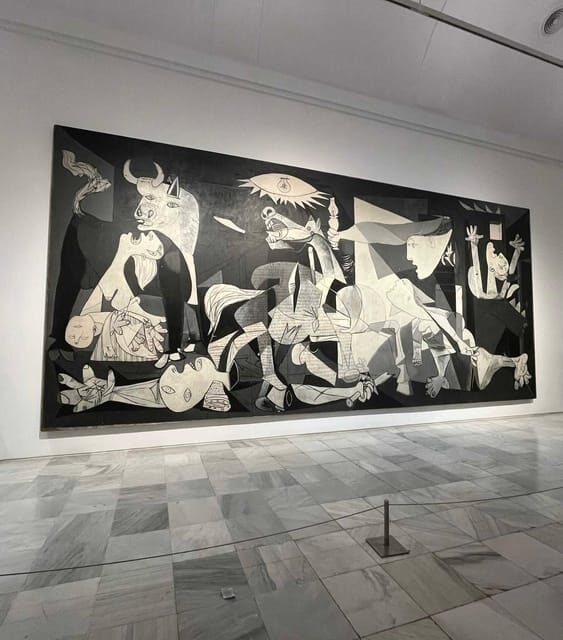
- Guernica highlighted as one of the world’s best-known paintings, ranked fifth by CNN
- Art that’s interactive, with pacing you can influence based on your interests
- You can stay after the tour for more exploring and tailored recommendations (when the group is 7 or less)
Why a private Reina Sofía tour makes real sense
Reina Sofía is one of those museums where the art is powerful, but the pathways can feel like a maze if you don’t know what to chase. A private format fixes that. You’re not just walking from room to room. You’re getting a guided line through the story of modern and contemporary art in Europe, with a person steering the experience.
I also like the size. Keeping it to a private group of up to 7 means you can actually ask questions, pause, and compare ideas without turning the whole visit into a race. It’s the difference between seeing art and understanding why it looks the way it does.
And since the guide is specialized in art history, you get help translating what you’re looking at. Some tours stop at “this artist did that.” This one aims to explain what’s happening in the work and how it connects to the bigger shifts in art across time.
You can also read our reviews of more private tours in Madrid



Meeting on the Landscape of Light, then getting inside fast
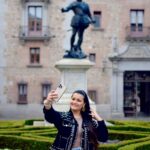
Your tour starts outside at the time you choose, next to the statue in front of the Nouvel building. That setting matters more than it sounds. The area is called the Landscape of Light, a UNESCO World Heritage Site created by Charles III. Even before you reach the galleries, it gives you a sense that you’re in Madrid’s real layers of history and design, not just a museum stop.
From there, you bypass the entrance lines and go straight in. That can be a big deal at Reina Sofía. If you’ve ever lost time standing in queues, you know how quickly a museum day can feel shorter than planned. Here, the main goal is simple: get you into the collection while you still have energy to look carefully.
Once inside, the tour shifts to what the museum is best at: modern art. The Reina Sofía focuses on modern and contemporary works, so the guide can show you how styles and ideas evolve instead of treating each masterpiece like an isolated moment.
The expert guide’s mission: modern art from 1881 to today
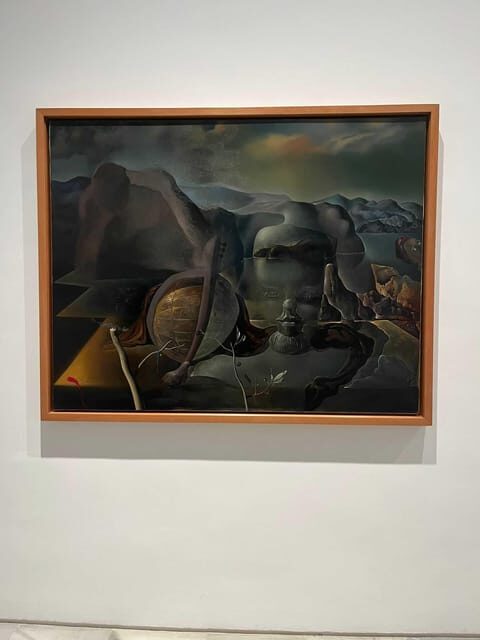
The tour’s backbone is an art-historical walk through the evolution of European art spanning 1881 to the present. That broad sweep is useful because modern art can feel like sudden shocks if you only view it as individual famous works. With a guide, you start spotting patterns: changing techniques, shifting themes, and why artists responded to the world around them.
What makes this approach practical is the way it’s tied to you. The itinerary is described as tailored to your interests, meaning you can steer the conversation. If you care more about symbolism and meaning, the guide can focus that direction. If you want art movements and timeline connections, the guide can emphasize the storyline.
The guide also uses an explanation style aimed at revealing what’s hidden in the works. That doesn’t mean you have to pretend you’re an art scholar. It means you get “why this matters” context that makes the images land harder in your head. You spend less time guessing.
One more thing: the tour is live, with the guide speaking Spanish or English. So if you’re comfortable asking questions in the moment, you won’t have to wait until you get back to your hotel to process what you saw.
Picasso, Dalí, Miró: how the tour ties icons together
It’s impossible to mention Reina Sofía without talking about the big three: Picasso, Dalí, and Miró. This tour doesn’t treat them as separate fandom stops. Instead, it frames their work inside the broader evolution of European modern art.
Picasso and Guernica: what you’re really looking at
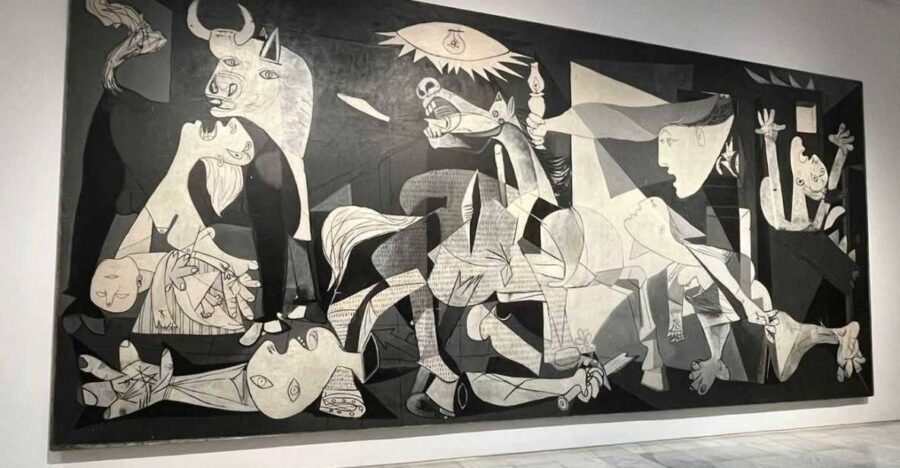
Picasso’s Guernica is one of the museum’s central draws. You’ll hear it singled out as the fifth most famous painting in the world according to CNN. That kind of recognition can make you think you already know it, but the point of the guide is to help you see what you might not notice at first.
The tour’s emphasis on hidden details and context is exactly what helps with a painting like Guernica. The images are dramatic, but the meaning is layered. With a guide, you’re not just watching the chaos. You’re learning how Picasso built the message through form, style choices, and the art language of his time.






Dalí and Miró: different routes through modern ideas
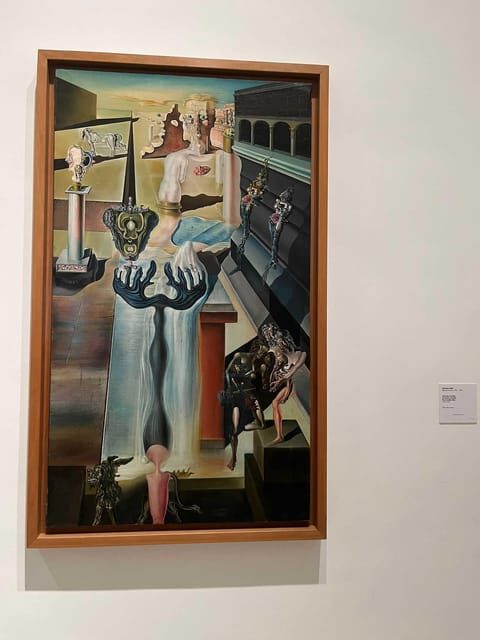
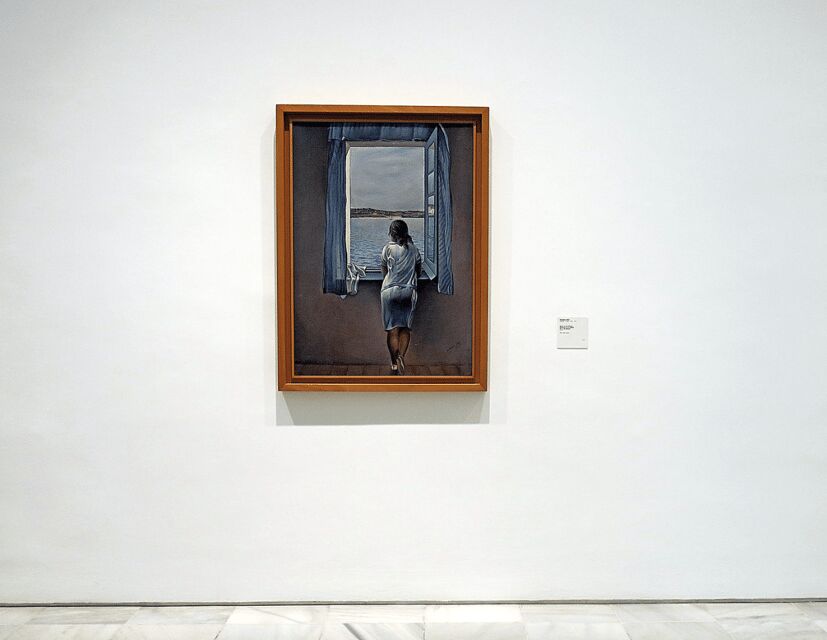
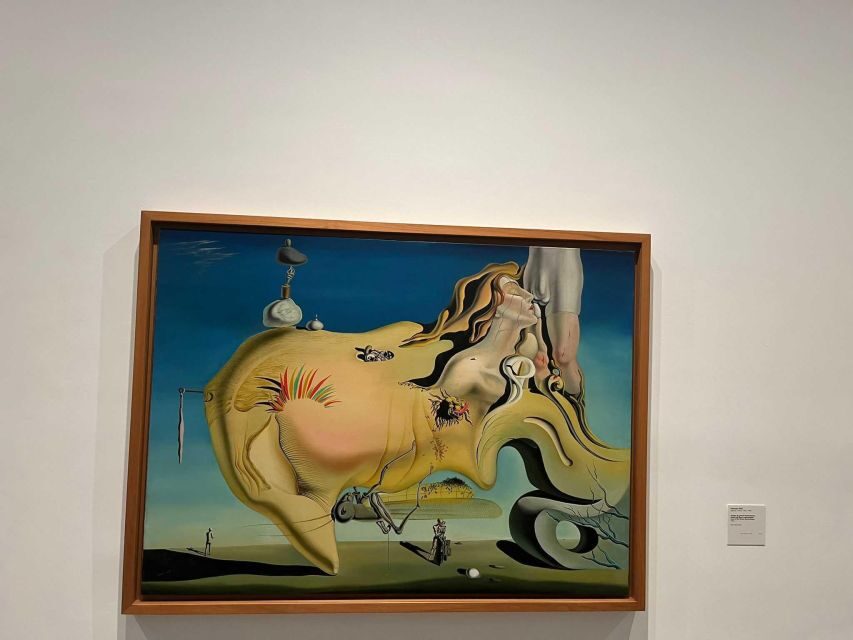
Dalí and Miró are often grouped under “surreal” in casual conversation, but modern art isn’t one lane. The value here is understanding how each artist’s approach fits into the larger shift in European art. You’ll hear stories of the masters both individually and together, which helps you compare what they were trying to do and how their global impact grew.
If Picasso is about one kind of modern shock, Dalí and Miró show other routes: dream logic, playful invention, and visual experimentation. The guide’s job is to connect those routes so the museum feels like a coherent story rather than a set of unrelated masterpieces.
The 2-hour flow: what happens during the guided time
The activity is scheduled for 2 hours total, with the guided portion described as 1.5 hours. In real terms, that means you get enough time to see key works and ask questions, without the exhaustion that can come from long gallery marathons.
During the guided segment, expect a structured walk through the most important modern art threads: context first, then looking closely at specific masterpieces. You’ll also have moments where the pace can adjust to your interests. That’s the sweet spot of this kind of private tour: you’re not wandering aimlessly, but you’re not trapped in a rigid lecture either.
A practical note for your expectations: since the tour is tailored and interactive, the exact order of rooms may shift slightly based on what you ask for. The core theme stays the same—modern and contemporary art from 1881 onward—but your focus can flex.
After the tour: how to use the remaining time well
When the guided visit ends, you have the option to stay and explore on your own. The tour information says that if the group is 7 people or less, you’ll receive recommendations on what else to see.
That’s smart. You’ll already understand the museum’s “why,” so your self-guided time can be more intentional. Instead of scanning everything randomly, you can choose works that match the areas you cared about most during the guided segment.
If you like to plan your museum time in advance, here’s a useful strategy: use the tour to learn the museum’s main storyline, then use your extra time to zoom into 1–2 themes you personally liked—whether that’s a specific artist’s approach or the timeline shift the guide explained.
Language, group size, and practical details that affect your day
This is a private group experience with a maximum of 7 people. That’s not just a comfort factor; it changes the rhythm of your visit. Smaller groups make it easier to ask follow-up questions and move at a pace that matches your attention span.
You can choose Spanish or English for the live tour guide. If you’re bilingual, you may find it helps to ask a couple of questions during the tour even if you’re not fully fluent—good guides can adapt explanations without making you feel stuck.
Wheelchair accessibility is covered. The museum is described as wheelchair and stroller accessible, and the activity itself notes accessibility. If accessibility is a priority for you, this is a clear signal you won’t be fighting barriers to see the art.
Transportation is not included. So you’ll want to plan how you’ll get to the starting point near the Nouvel building. The meeting point may vary depending on the option you book, so double-check your confirmation.
Price and value: what $136 per person buys you
$136 per person can sound steep if you think you’re only paying for entrance. Here, the value comes from what’s bundled: a specialized art history guide plus entrance fees, taxes, fees, and management fees are included.
So you’re paying primarily for guided time with an expert who can:
- connect modern art from 1881 to the present
- tailor the route to your interests
- highlight details in major works like Guernica
- keep the group small enough for real conversation
This tends to be worth it if you fall into any of these categories:
- you love modern art but want context that makes it click fast
- you want to see the biggest masterpieces without guessing what matters first
- you’d rather ask questions than rely on slow reading of wall labels
It may feel less worth it if you’re already deep in modern art knowledge and you prefer long, unstructured browsing. In that case, you might be happier with a self-guided visit and your own itinerary.
Who this tour suits best, and who should pass
This private Reina Sofía visit is a strong fit for:
- couples or small groups who want a shared art experience without crowds
- anyone who likes learning while they look, not after they leave
- travelers who want Spanish or English guidance so they can ask questions in real time
It might not be the best match if:
- you only want a quick hit and you’re fine with just wandering and reading signs
- you plan to spend lots of extra time in one corner and would rather not have a structured route
If you’re on the fence, think about your learning style. If you enjoy explanation that changes how you see the art, this is exactly that kind of tour.
Should you book the private Museo Reina Sofía art expert visit?
Book it if you want the museum to feel understandable, not overwhelming. The best reason is the combination of a specialized guide, a small private group, and a route that connects modern art across time. If you care about Picasso, Dalí, and Miró, you’ll get more meaning than a basic entry experience.
Skip it if your priority is maximum freedom with no structure, or if you’re already confident navigating modern art on your own. In that case, you may not use the guide as much as you’re paying for.
FAQ
How long is the private visit at the Reina Sofía?
The duration is 2 hours, with the guided portion listed as 1.5 hours.
Is the tour private, and how many people are included?
Yes, it’s a private group with no more than 7 people.
Can I choose Spanish or English for the guide?
Yes, the live guide is available in Spanish and English.
Where do we meet before entering the museum?
You meet at the time you choose next to the statue in front of the Nouvel building. The exact meeting point may vary depending on the option booked.
Does the tour help me avoid lines?
Yes, the tour includes skip-the-ticket-line entry.
What’s included in the price?
The price includes a specialized art tour guide and entrance fees, taxes, fees, and management fees.
Is transportation included?
No, transportation is not included.
Can I stay in the museum after the guided tour?
Yes. After the guided visit ends, you can stay at the museum to explore on your own, and you’ll get recommendations if the group is 7 people or less.
Is the museum accessible for wheelchairs and strollers?
Yes, the museum is described as wheelchair and stroller accessible.