REVIEW · MADRID
Spanish Civil War start of 2 World War, Guernica Franco
Book on Viator →Operated by Tours Madrid | TOURSTILLA · Bookable on Viator
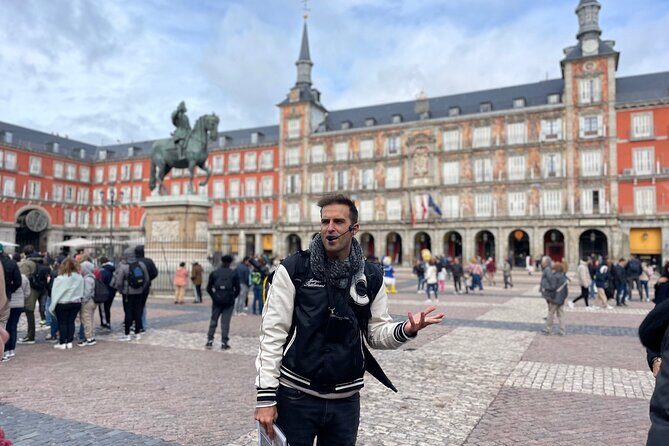
Madrid’s war story feels close up. This 2.5-hour walk through central Madrid uses real landmarks to explain how the Spanish Civil War escalated into a wider catastrophe linked to World War II and dictatorship under Franco. I love the way the guide turns heavy themes into story-sized pieces, and I also like that you get maps and media (audio, images, and videos) to help you follow what you’re seeing without needing paid entry tickets.
Two things I really appreciate: first, the pacing—short stops where you can actually look at the streets and buildings, not just listen while walking; second, the human tone. Guides such as Victor, Maikel, Guillermo, Adria, and Chato are repeatedly praised for making the subject clear, friendly, and emotionally careful. One possible drawback: this is a thematic walk, not a museum day, so if you want lots of indoor exhibitions, you’ll mostly be watching the war’s traces from the outside.
In This Review
- Key highlights you should know before you go
- A 2.5-hour walk through Madrid’s war wounds
- Where you meet, where you end, and why that matters
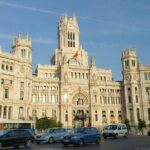
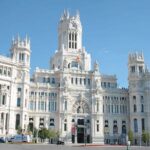
- Plaza del Callao: bombings in the center and scarred buildings
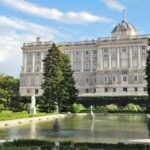
- Palacio del Senado: how a civil war starts and why the ideas split
- Plaza de España: Franco, the capital’s defense, and wartime sayings
- Templo de Debod: money, propaganda, and remembering the fallen
- Paseo del Pintor Rosales: Picasso, Guernica, and art under fire
- Cuartel General del Ejercito del Aire: remote blood transfusion and turning points
- Victory Arch (Arco de la Victoria): destroy or preserve?
- Price and what you actually get for the money
- The guide experience: clear storytelling with a careful tone
- Who should book this Spanish Civil War walk?
- Should you book it? My practical call
- FAQ
- How long is the tour?
- Is the tour in English?
- Is there an entry fee for the sites?
- What is the meeting point and where does it end?
- How big are the groups?
- What’s included in the price?
- Can I cancel for a full refund?
Key highlights you should know before you go
- Bombed-center Madrid at Plaza del Callao: scars on buildings and a look at daily life under threat
- The “two divided Spains” framing at the Senate: how conflict starts and how ideas harden
- Franco and the 900-day defense of the capital at Plaza de España
- Templo de Debod as a war-of-ideas stop: money, propaganda, and a memorial theme
- Picasso and Guernica as civilian-bombing context on Paseo del Pintor Rosales
- Arco de la Victoria with a preservation question: what we do with monuments after violence
A 2.5-hour walk through Madrid’s war wounds
This tour is built for a focused window of time—about 2 hours 30 minutes—so you get context without getting dragged through your whole day. It’s also compact in spirit: instead of trying to cram every fact into your head, the guide uses each location to answer a specific question about the war’s causes and consequences.
I like that the experience treats history as something you can read on the street. Places like Plaza del Callao and Plaza de España don’t feel like abstract textbook pages. They feel like evidence.
And yes, it’s emotional. The wording of the stops leans into real suffering, including civilian bombing and remembrance for the fallen—so bring the right mindset. If you can handle serious topics on a walk, you’ll get a lot out of it.
You can also read our reviews of more tours and experiences in Madrid.

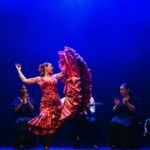
Where you meet, where you end, and why that matters
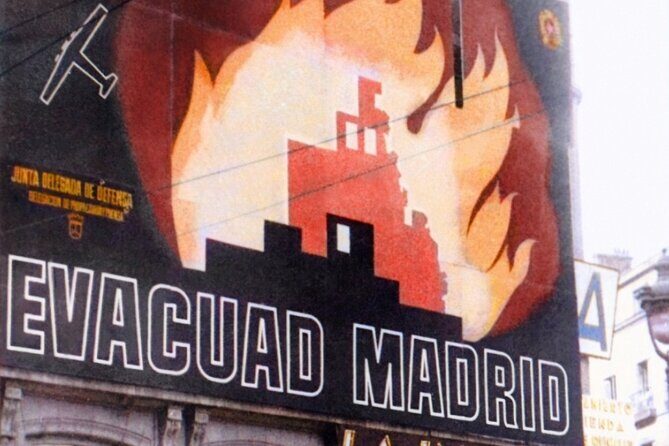
You start at C. del Postigo de San Martín, 26, Centro, 28013 Madrid. The tour ends near the Victory Arch in the Moncloa area, by Av. de la Memoria, 32 (near Metro Moncloa).
That end point is useful. It means you can keep moving through Madrid afterward without backtracking across town. It also helps you plan a simple day: do this early, then pair it with art or neighborhoods you already want to see.
The tour is offered in English, is small (up to 30 travelers), and uses a mobile ticket. Most people can participate, and service animals are allowed.
Plaza del Callao: bombings in the center and scarred buildings
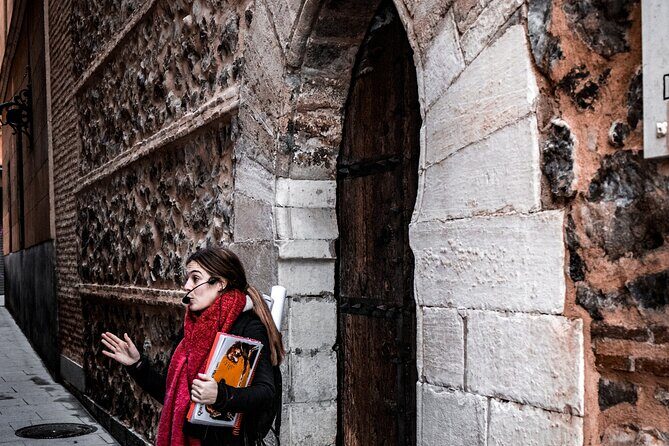
You begin at Plaza del Callao, where the focus is on bombings in central Madrid and the idea that war leaves physical marks. The stop is short—about 15 minutes—which is exactly right for a plaza. You can absorb the scale of the square, look at the architecture, and listen without feeling trapped in one spot.
What makes this stop valuable is the contrast: you’re in a busy-looking area of Madrid now, but the guide ties it back to the reality of air attacks and damage. The tour’s question here is almost cinematic—would you go to the movies?—which points to something you might not expect: entertainment and normal routines can feel surreal when civilians are under threat.
A small consideration: because the emphasis is on external traces (scars, damage, and the “feel” of the place), you’re relying on the guide’s narration to connect the dots. If you’re the type who loves museums, this might feel less hands-on—but it’s still strong as a street-level history lesson.
Palacio del Senado: how a civil war starts and why the ideas split
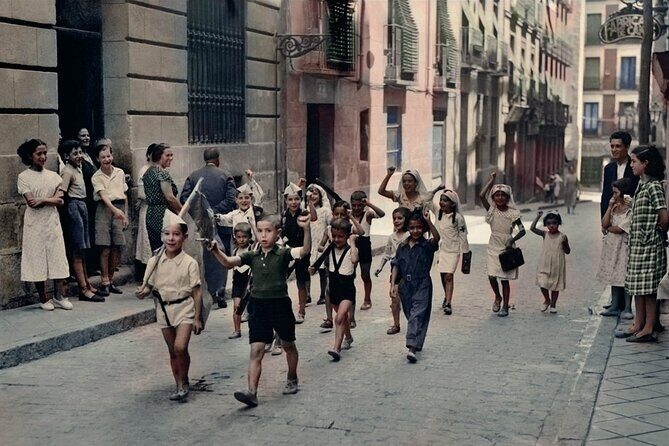
Next you head to the Palacio del Senado for about 20 minutes. Here the tour asks a direct question: how does a civil war start, and what happens when a country becomes two divided Spains?
This is where the tone shifts from impact to causes. The guide uses the setting to help you understand how political fracture turns into violence. The stop also frames Spain as something like a test range for larger conflicts tied to World War II—meaning the war isn’t treated as isolated. Instead, it’s positioned as part of a broader European storm.
I also like that this stop is ticket-light. You’re not expected to buy admission just to understand what the guide is explaining. The “no entries needed” approach keeps the focus on walking, looking, and listening.
Plaza de España: Franco, the capital’s defense, and wartime sayings
At Plaza de España, you get the Franco-centered part of the story in about 15 minutes. This stop is built around the defense of the capital: 900 days of siege, plus themes like wartime sayings and the idea of Madrid under pressure—captured in that “pumps” line on the stop notes.
That 900-day detail gives the tour a sense of time and endurance. It’s long enough that it stops feeling like a chapter and starts feeling like a way of life. When the guide ties that to everyday expressions—those wartime sayings—you start to see how people cope, criticize, and survive using language.
One thing to be mindful of: because the stop is short, you’ll get a storyline, not every branch of detail. If you want to chase down specific topics afterward, the guide’s personalized recommendations link is designed for exactly that kind of follow-up.



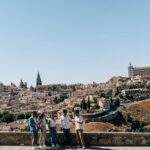
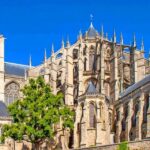

Templo de Debod: money, propaganda, and remembering the fallen
Then you reach the Templo de Debod, with about 20 minutes here. This is one of the most concept-driven stops. It’s where the tour turns to money: who paid for the war? and propaganda: war of ideas—questions that help you understand the conflict as more than battles on maps.
The temple itself also matters. The notes point to Temple of Debod and a sculpture to the fallen of the Civil War, so you’re not only talking theory—you’re standing in a place that supports remembrance.
This is also where you’ll feel the tour’s emotional care. You’re given a framework for what the war meant for people, including those who didn’t come home. If you’re sensitive to memorial topics, this is handled in a way that aims to be respectful rather than sensational.
Practical tip: this stop is outside and involves standing and looking. Dress for the weather and give yourself space to pause.
Paseo del Pintor Rosales: Picasso, Guernica, and art under fire
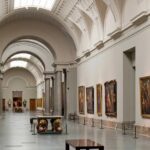
On Paseo del Pintor Rosales, the guide brings in Picasso and Guernica, specifically tied to bombing of civilians. You also hear about Prado Museum: art under fire and the idea of Christmas in Tregua: a breather. This stop runs about 20 minutes.
I love how this works because it connects two things people often separate: violence and culture. When the tour links civilian bombing to major artistic references, it nudges you to see art as a response to real terror, not just a style.
The “Christmas in Tregua” concept is also smart. It suggests that even during brutal conditions, moments of pause can exist—and those pauses matter for understanding how people endured. You walk away with a more human sense of daily life, not only statistics and dates.
If you’re an art fan, you’ll likely like this stop even more. If you’re not, it still works because it’s used as a lens for the war’s emotional and social impact.
Cuartel General del Ejercito del Aire: remote blood transfusion and turning points
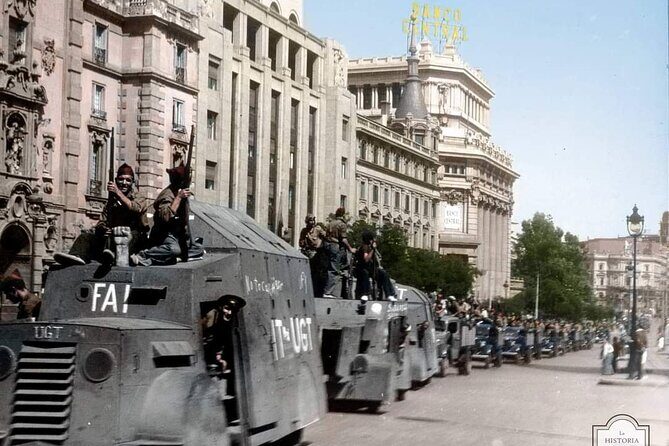
Next is the Cuartel General del Ejercito del Aire, about 15 minutes. This is a surprising pivot into science and survival, with the stop notes highlighting music, plus the theme of a first remote blood transfusion: life in the middle of death.
Even without extra museum context, the framing makes a point. War doesn’t only destroy. It also forces rushed innovation and desperate attempts to keep people alive. The tour uses this idea to show how coping technologies and practices emerge when normal life collapses.
This stop is also described as a bridge toward a larger timeline: the end of the war begins World War II and dictatorship. In other words, you’re being guided to see the Spanish Civil War not just as a closed national tragedy, but as part of a chain of political change across Europe.
Victory Arch (Arco de la Victoria): destroy or preserve?
Finally, you finish at the Victory Arch, with about 20 minutes. This is the tour’s reflective end. The stop notes ask destroy or preserve it? and frames the moment as reflections of wars.
This isn’t just architecture talk. It’s about memory—how societies deal with symbols built from victory narratives, especially when the underlying history includes loss and coercion. Standing there with the guide’s framing, you can feel the question in your own head: should public monuments help people remember, or do they risk freezing one side’s version of events?
It’s a fitting conclusion because it pulls the tour from places of harm into the present-day question of how we interpret the past.
Price and what you actually get for the money
The price listed is $3.62 per group (up to 15), and the tour is often booked around 16 days in advance. That group pricing matters. A low per-group cost is usually a sign you’re not paying for heavy-ticket entrances—you’re paying for story, guidance, and the structure that keeps you from getting lost in details.
You also get more than a spoken talk. The experience includes exclusive material like maps, images, audio, and videos, plus a local guide and a link to personalized recommendations for what to do in Madrid. The notes even mention personalized attention from your guide after the tour, which is unusual value for a city walk.
What’s not included is also clear: you don’t need entries to the sites, and you’re not asked to pay for museum access to make the experience work. Tips are not included, which is typical, but if you care about supporting the guide craft, you’ll likely want to consider it.
The guide experience: clear storytelling with a careful tone
Some tours teach by dumping facts. This one tends to teach by shaping your understanding—cause, impact, and aftermath—then giving you a visual anchor for each step. The guides are repeatedly praised for being welcoming, friendly, and emotionally timed, which matters a lot with a subject like this.
You may meet guides such as Victor, Maikel, Guillermo, Adria, or Chato, and the common thread in the feedback is how they connect complex events to the street you’re standing on. The result is a walk that feels both informative and human, without turning tragedy into a spectacle.
Also, the stop-by-stop structure keeps you from feeling overwhelmed. Each location is a chapter, not an entire book shoved into one sentence.
Who should book this Spanish Civil War walk?
This is a great choice if you want history that feels grounded. You like walking tours, but you also want meaning, not just photo stops. The tour is especially suitable if you care about how art, politics, and civilian life connect during conflict.
It also suits couples and solo travelers who want a small group experience. With a maximum of 30 and an emphasis on a guide-led story, you’ll have a better chance to ask questions or ask for clarification without feeling like a nameless number.
If you only want light or entertainment-focused sightseeing, this won’t be your vibe. The content is tied to bombing, siege, propaganda, and remembrance. Still, if you’re open-minded, the careful presentation makes it more than a gloomy lecture.
Should you book it? My practical call
Book this tour if you want a fast, street-level map of how the Spanish Civil War connects to broader European conflict and dictatorship themes. The pricing is strong for what you get—guiding plus multimedia support, and no paid site entries required.
Skip it if you’re hunting for a museum-heavy day or you need history told only through indoor exhibits. This walk wins on context and place, not on collections behind glass.
If you go, do one smart thing: wear comfortable shoes, arrive with a curious mind, and plan a little extra time afterward. The guide’s personalized recommendations are meant to help you keep the story going in Madrid, without turning your schedule into a checklist.
FAQ
How long is the tour?
The tour lasts about 2 hours 30 minutes.
Is the tour in English?
Yes, it is offered in English.
Is there an entry fee for the sites?
No. Site entries are not necessary, and the stops are listed as free admission from the tour approach.
What is the meeting point and where does it end?
You start at C. del Postigo de San Martín, 26, Centro, 28013 Madrid, and you end near Arco de Moncloa / Av. de la Memoria, 32 with the Metro Moncloa area nearby.
How big are the groups?
The tour has a maximum size of 30 travelers.
What’s included in the price?
You get a local guide, maps/images/audio/videos and other exclusive materials, and a link to personalized recommendations for what to do in Madrid, with personalized attention after the tour.
Can I cancel for a full refund?
Yes. You can cancel up to 24 hours in advance for a full refund. If you cancel less than 24 hours before the start time, the amount paid is not refunded.