REVIEW · TOLEDO
Toledo: Ancient Underground City Tour in Spanish
Book on GetYourGuide →Operated by Secretos de Toledo · Bookable on GetYourGuide
Toledo underfoot is a real time machine. This 2-hour Toledo underground city tour takes you through five underground stops packed with legends and architectural clues, starting with the Bath Cenizal (an old Arab hammam). It’s the kind of experience where you stop looking at walls and start reading them.
I love how the tour stitches together Spanish guide explanations with specific layers of Arab, Roman, and Jewish influence you can actually see underground. I also appreciate that the guide stays focused on clarity and details, and even Ruth (one of the guides) has a knack for adding history and anecdotes without losing the thread. One thing to consider: it’s not suitable for people with mobility impairments, and there’s no mention of gentler access, so comfortable shoes and a steady pace matter.
In This Review
- Key takeaways before you go
- Toledo Underground City Tour: where the “old” went
- Spending $15 for 2 hours: the value check
- Where to meet (and how to not get lost)
- Stop 1: Bath Cenizal, the Arab hammam from the 11th century
- Stop 2: Roman baths as a social hangout
- Stop 3: Salvador’s Well and the mosque connection
- Stop 4: The Church of the Savior as the next layer
- Stop 5: The House of the Jew and what survived
- The 3 cultures you’ll actually be able to point to
- “Ruth makes it make sense”: the guide matters here
- Who this tour suits best (and who might skip it)
- Should you book Toledo’s Ancient Underground City Tour?
- FAQ
- How long is the Toledo Ancient Underground City Tour?
- Is the tour guided in Spanish?
- How many underground locations will I visit?
- What is the price?
- What’s included with the ticket?
- Are food and drinks included?
- Where is the meeting point?
- Can I cancel for a full refund or pay later?
- Is video recording allowed, and is the tour suitable for everyone?
Key takeaways before you go
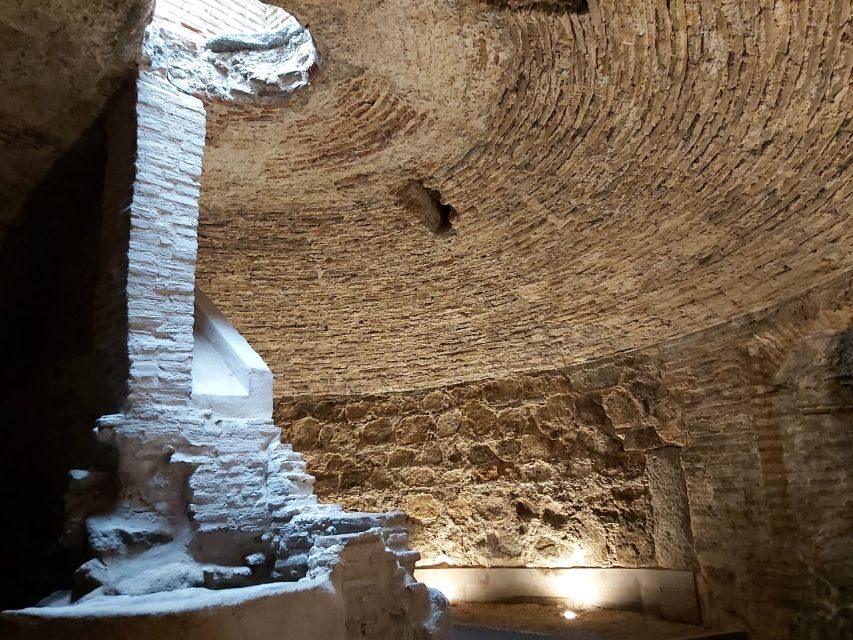
- 5 underground locations in one run, not a slow drip of stops.
- Arab hammam at the Bath Cenizal plus earlier and later reuse of underground spaces.
- Roman baths as social spaces, not just engineering.
- Salvador’s Well and the mosque connection that ties daily life to sacred ground.
- Spanish-only guide who explains curiosities and legends as you walk.
Toledo Underground City Tour: where the “old” went
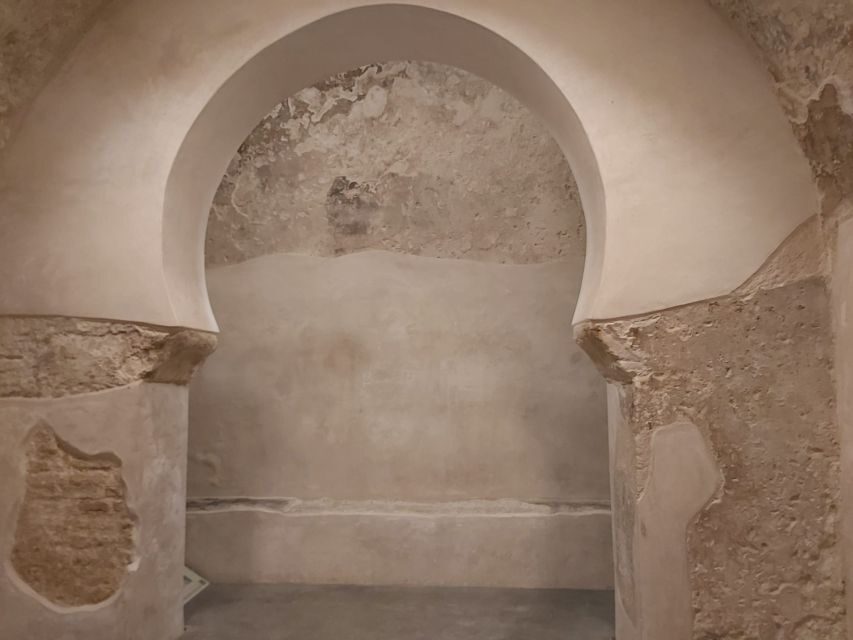
Toledo has a lot of history above ground. What makes this tour special is that you walk into what the city kept under itself. Long ago, people excavated rock for practical reasons: storing water, creating shelters from wars, carving hidden passages, and building baths, spas, and tunnels. Over time, those uses became stories. Some legends seem designed to protect mysteries; others try to explain what’s still hard to pin down.
The tour doesn’t just show you dark rooms and stone steps. It gives you context for why those spaces existed and how different communities used them. That matters because underground architecture is rarely “one culture, one purpose.” In Toledo, it often becomes a layered map of who lived here, what they needed, and what they reused.
You can also read our reviews of more city tours in Toledo



Spending $15 for 2 hours: the value check
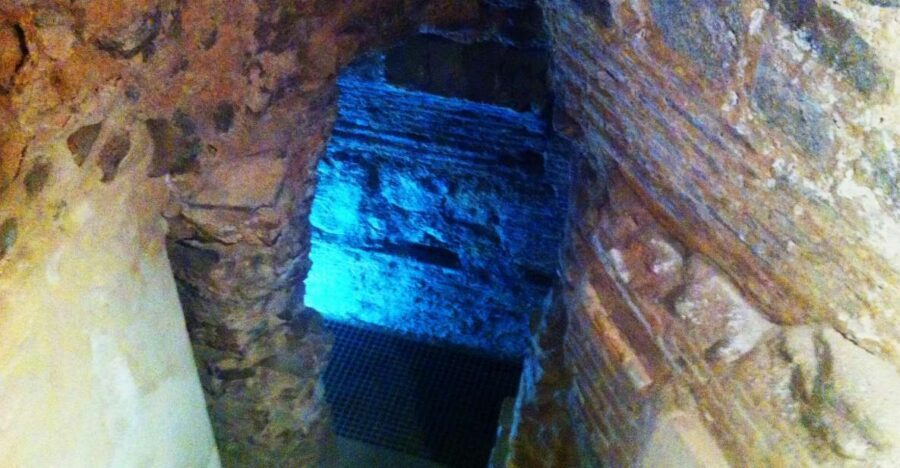
At about $15 per person for a 2-hour guided visit, the value is mostly about focus. You’re paying for entry access to multiple underground sites plus a specialized Spanish-speaking guide. Instead of spending your whole day hunting independently, you get a guided route that connects each stop to the next.
Is it a “big-budget museum” experience? Not really. It’s more like walking through a curated set of underground places where the guide’s narration is the real product. When you have a guide who explains clearly, the price makes sense fast.
Where to meet (and how to not get lost)
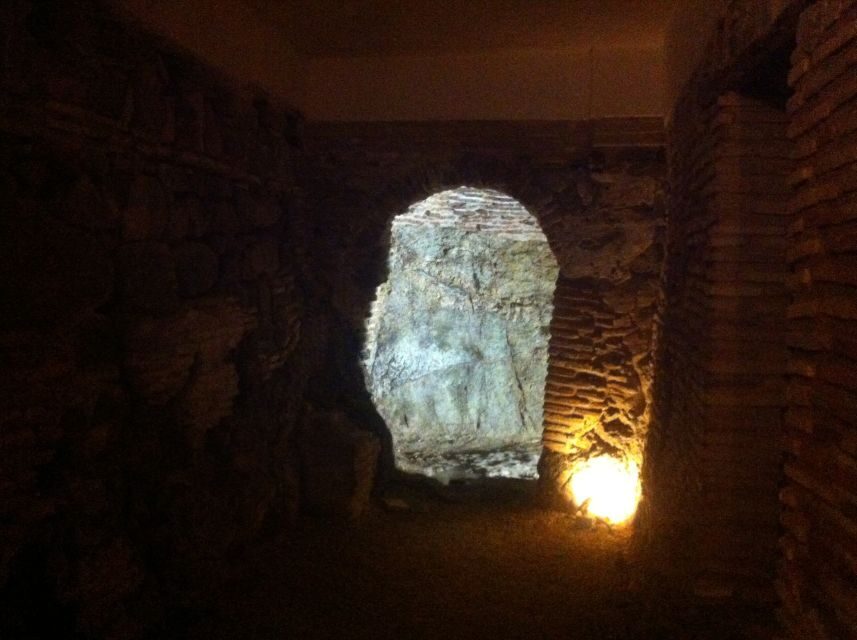
Meet at the hall of Nº7. From there, at the end on the right, you’ll find the office of Secretos de Toledo. Arriving a few minutes early helps, especially if you’re trying to orient yourself in a busy old-city area.
A couple of practical notes from the tour rules:
- Bring comfortable shoes. This is underground, and you’ll want stable footing.
- Video recording isn’t allowed, so plan on using photos sparingly if your camera policy is permitted on the day (the only stated rule is no video).
Stop 1: Bath Cenizal, the Arab hammam from the 11th century
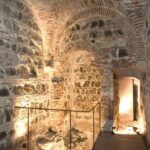
Your first major stop is the bath Cenizal, an old Arab hammam from the 11th century. Think of this as where the tour starts telling you Toledo’s underground wasn’t only about survival. It was also about daily rituals and comfort—baths, water systems, and spaces designed for specific uses.
What I like here is that the guide doesn’t treat it like a vague “Arab influence” signboard. You’re told about architectural curiosities and how the bath was used. That’s the key. Once you understand the function of a hammam, you start noticing how spaces guide movement and routines.
Also, this is one of those moments where legends hover in the background. The tour frames underground myths as part of Toledo’s story—sometimes hiding known facts, sometimes trying to make sense of what people couldn’t fully explain.
Stop 2: Roman baths as a social hangout
Next comes the old nuncio Roman baths. The main idea is that Roman baths weren’t only about hygiene. They were a social space in Roman Toledo—places where people met, talked, and spent time.
The tour helps you understand Roman engineering and reuse. Even when the exact function changes over centuries, the underlying logic tends to remain: water, temperature, access, and layout. By the time you reach the next sites, you’ll start seeing how Toledo repurposed what earlier builders created.
If you enjoy history that’s tied to everyday life, this stop is a strong one. It turns “ancient” into something you can picture: a routine, not just a ruin.

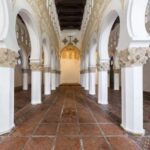



Stop 3: Salvador’s Well and the mosque connection
Then you’ll discover Salvador’s Well, described as an old well from the 11th century. It belonged to the mosque before the space shifted to later religious and civic layers.
This stop is where the tour’s theme clicks: underground infrastructure isn’t separate from identity. Wells weren’t just utilities. They were linked to community life and the functioning of surrounding spaces. As the guide connects the well to the mosque, you get a clearer idea of how daily water needs shaped sacred geography.
It’s also a good reality check for the legends. Underground spaces can encourage storytelling because people can’t always see how everything connects. Here, the guide gives you the best “how and why” explanations available.
Stop 4: The Church of the Savior as the next layer
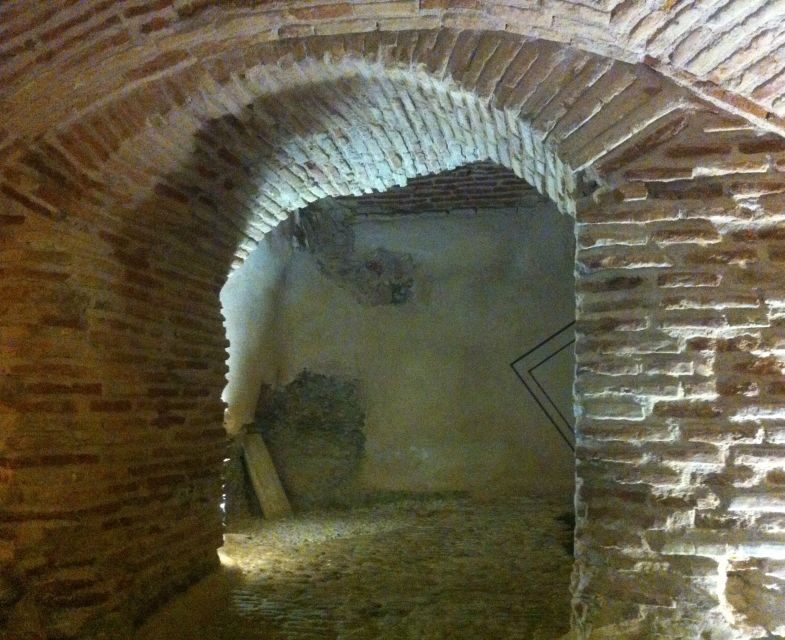
After the well, the route moves to the Church of the Savior. This part matters because it shows how Toledo’s religious life changed over time while the city’s underground logic stayed useful.
Even if you’re not a religious-history superfan, the value is architectural and historical. You’re watching a physical progression—how one community’s structures influence what comes next. The guide’s job is to show you that the underground world isn’t frozen. It adapts.
I like that this stop doesn’t feel like a random “surface monument detour.” It’s integrated into the story of overlapping uses and shifting meanings.
Stop 5: The House of the Jew and what survived
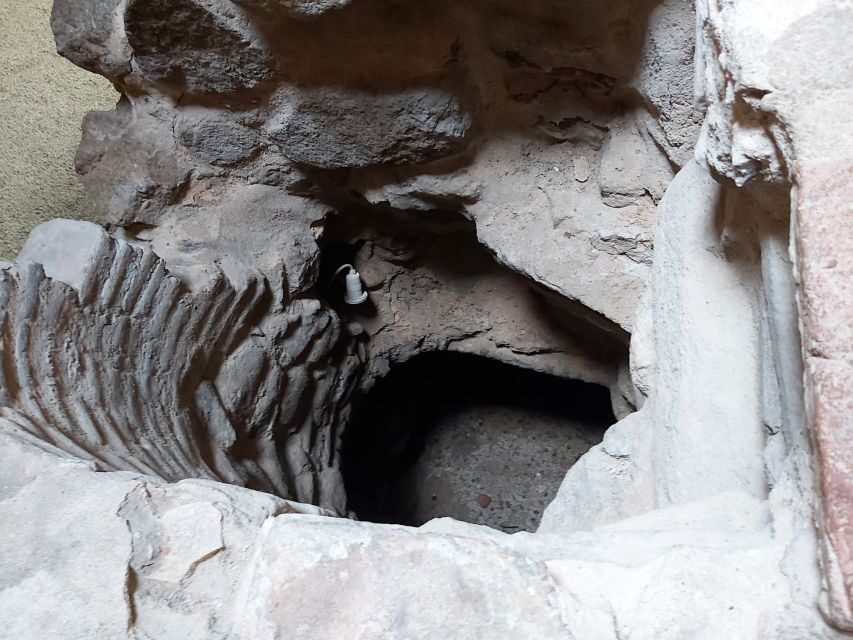
The final underground stop is the House of the Jew. This is where you learn how the city’s Jewish community left marks that endured even as Toledo changed.
This stop rounds out the tour’s stated cultural influences: Arab, Roman, and Jewish. The underground spaces make those influences feel less like separate chapters and more like parts of the same system—tunnels, water control, shelter, and practical space all becoming wrapped in cultural identity.
If you want your visit to feel connected rather than fragmented, this ending is the right kind of closure. You finish with a sense that you didn’t just see five locations—you traced how a city reuses what it already has.
The 3 cultures you’ll actually be able to point to
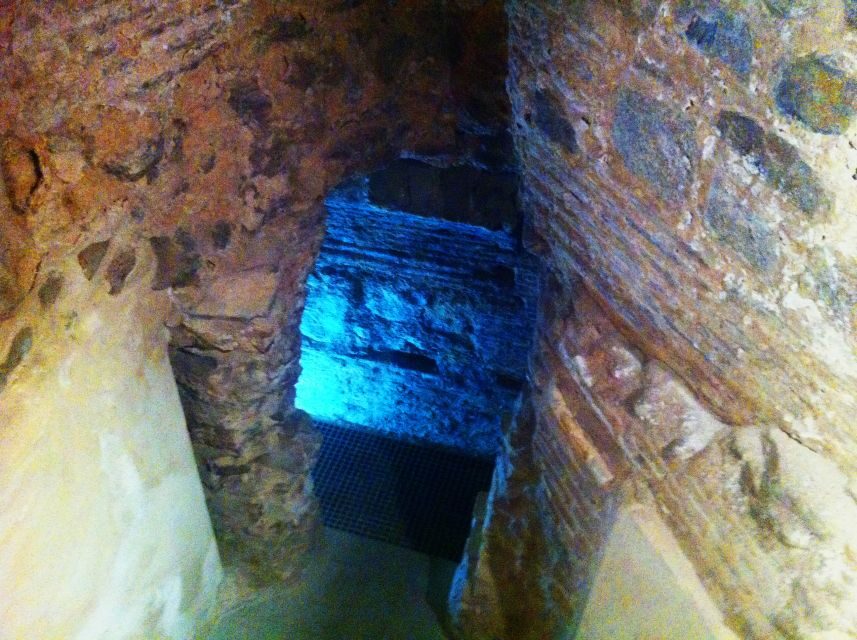
The tour is built around learning the influences of three different cultures that shaped Toledo underground. Here’s how that shows up as you move from stop to stop:
- Arab influence shows clearly at the Bath Cenizal hammam and through the 11th-century timing of the well’s mosque connection.
- Roman influence comes through the old nuncio Roman baths and their social purpose.
- Jewish influence is highlighted at the House of the Jew.
What I appreciate is that the guide ties these cultures to specific spaces and uses. You’re not just collecting names. You’re learning how buildings served daily needs and community life.
“Ruth makes it make sense”: the guide matters here
This is one of those tours where the guide can make or break the experience. The Spanish-speaking guides run the show, and the best part is how they explain things in a way that sticks.
In the past, the tour has been praised for guides who are close and friendly, not distant. Ruth, in particular, has been noted for taking a tour that runs a bit over two hours and staying interesting by adding history and anecdotes while still expanding the main points. That’s exactly what you want when you’re walking underground: the space is physical, but the meaning is in the explanation.
If you’re the type who likes to ask quick questions, bring your curiosity. The guide’s specialization in the history of Toledo is the difference between seeing “cool rooms” and understanding why they were dug in the first place.
Who this tour suits best (and who might skip it)
This tour fits best if you:
- enjoy architecture and how people reused structures over centuries
- like guided explanations in Spanish
- want a compact route covering five underground locations in about 2 hours
It’s not a fit for people with mobility impairments, based on the tour’s stated suitability.
If you’re traveling with kids, it might work if they can handle underground walking, but nothing in the provided details mentions family-friendly pacing. So think carefully if you’re planning a stroller or if mobility is a concern.
Should you book Toledo’s Ancient Underground City Tour?
Book it if you want a focused, high-meaning visit to Toledo’s underworld—five underground stops connected by a Spanish guide who explains curiosities and legends without turning it into a lecture. The price is low enough that you’re not paying “museum-level” money for “museum-level” crowds. You’re paying for access plus interpretation, and that’s where the tour shines.
Skip it if you know you won’t manage underground spaces comfortably, because there’s no indication of accessibility accommodations. Also skip if you hate being restricted—video recording isn’t allowed, so you’ll need to enjoy the moment rather than filming it.
If you’re spending time in Toledo and you want your visit to feel different from standard sights, this is a smart, efficient way to get it.
FAQ
How long is the Toledo Ancient Underground City Tour?
The tour lasts 2 hours.
Is the tour guided in Spanish?
Yes. The tour is Spanish-speaking, and it’s described as a live tour with a Spanish guide specialized in the history of Toledo.
How many underground locations will I visit?
You’ll explore a total of 5 underground locations.
What is the price?
The price is listed as $15 per person.
What’s included with the ticket?
The ticket includes entry to the sites and a Spanish-speaking guide specialized in the history of Toledo.
Are food and drinks included?
No. Food and drinks are not included.
Where is the meeting point?
Meet at the hall of Nº7. At the end on the right is the office of Secretos de Toledo.
Can I cancel for a full refund or pay later?
Yes. The tour offers free cancellation up to 24 hours in advance for a full refund, and you can reserve now & pay later.
Is video recording allowed, and is the tour suitable for everyone?
Video recording is not allowed. The tour is also not suitable for people with mobility impairments. The tour recommends comfortable shoes.