REVIEW · CUENCA
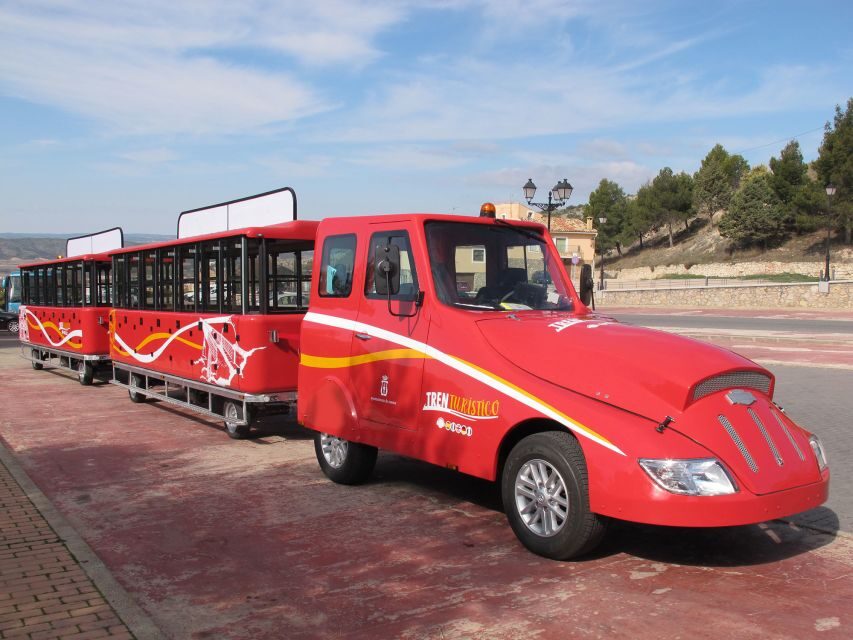
Cuenca: Tourist Train Tour
Book on GetYourGuide →Operated by Tren Turístico Cuenca · Bookable on GetYourGuide
Cuenca’s cliffside views come with training wheels. This Cuenca Tourist Train turns a UNESCO-listed city into an easy one-day loop, with a route of about 45 minutes and a steady stream of landmark views. I like that it starts right at Plaza Mayor, so you can orient fast, then feeds you to the big-ticket spots like San Julián Park, the Gothic-style Cuenca Cathedral, and the Casas Colgadas above the Huecar River.
What also sells it is the 5-language audio guide delivered through free headphones, including commentary on legends and what you’re looking at. One consideration: the ride can feel rough on old-town surfaces, and the audio may be harder to catch when the tram is bouncing along, so plan around that if you’re picky about comfort and sound.
In This Review
- Key Things to Know Before You Ride
- Plaza Mayor to the Huecar: the quick orientation win
- Your 5-language audioguide and how to get the most from it
- San Julián Park and Cuenca Cathedral: what you’re really scouting
- Casas Colgadas and the Huecar River: where expectations can clash
- Castle quarter: using the ride to connect the dots
- Price and value: is about $8 really worth it?
- Comfort, sound, and who should (and shouldn’t) choose this
- When to go and how to plan your day around the train
- Should you book the Cuenca Tourist Train Tour?
- FAQ
- What is the duration of the Cuenca Tourist Train Tour?
- Where does the tour start and end?
- How much does the tour cost?
- What languages are available for the audio guide?
- Are monument entry tickets included?
- Is food or smoking allowed during the ride?
- Is the tour suitable for wheelchair users or reduced mobility?
- What’s included with the ticket?
- Is there a way to cancel if plans change?
Key Things to Know Before You Ride
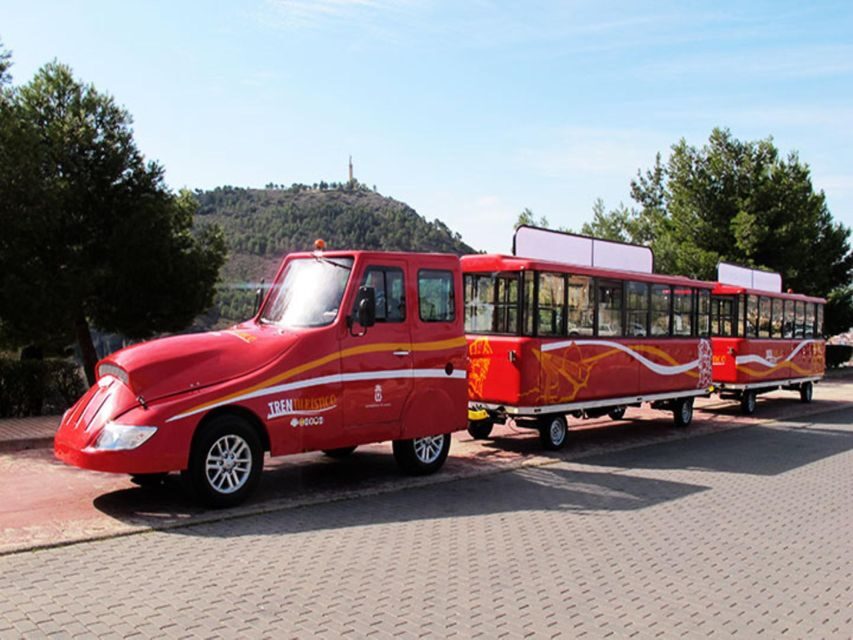
- Easy orientation from Plaza Mayor: a convenient start near Cuenca’s historic center.
- About 45 minutes of guided city viewing: you get the layout without walking the whole time.
- Headphones with 5 languages: Spanish, English, French, German, and Italian.
- Stops at major monuments: San Julián Park, Cuenca Cathedral, Casas Colgadas, and the castle quarter.
- Comfort is uneven on cobbles: expect jostle, especially around speed bumps.
- You’ll see the highlights, not detailed site access: monument entry tickets are not included.
Plaza Mayor to the Huecar: the quick orientation win
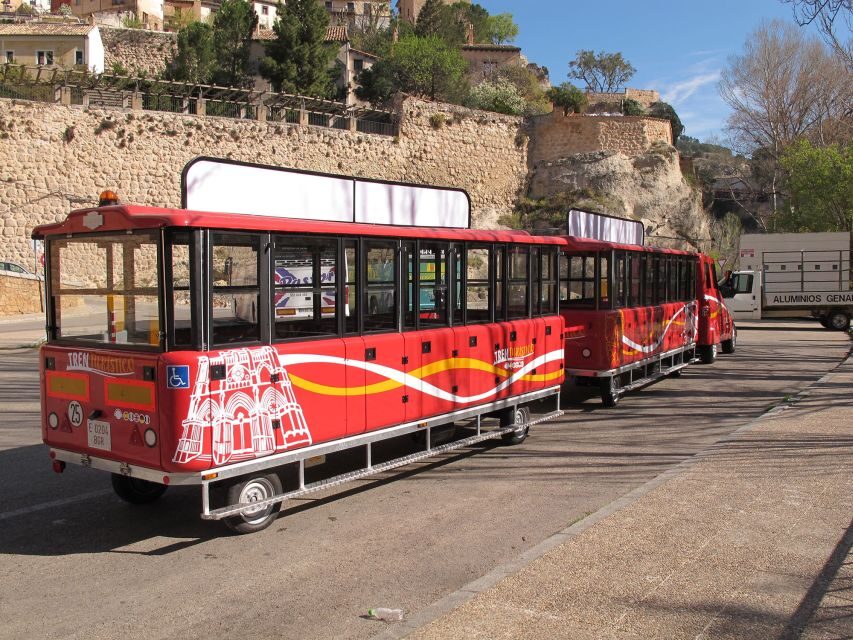
The smartest use of this train is simple: you want a fast, panoramic sense of how Cuenca is stacked up, high above the Huecar River. The ride departs from Plaza Mayor de Cuenca, and it also returns there, so you’re not stuck figuring out logistics later.
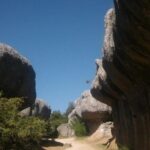
The route totals about 45 minutes, which makes it ideal for a day when you don’t want to spend hours pacing steep streets. Even if you plan to come back later on foot, this kind of overview helps you decide where to go next. You’ll see how the old town clings to the landscape, and you’ll understand why Cuenca is famous for dramatic viewpoints rather than flat strolling.
There’s also a small but real value in keeping your energy for the walking parts you truly care about. The train doesn’t replace exploring, but it does help you pick the right places to linger.
You can also read our reviews of more tours and experiences in Cuenca.
Your 5-language audioguide and how to get the most from it
This is not just generic facts over loudspeakers. The tour includes personal headphones and an audio guide in Spanish, English, French, German, and Italian. That matters because it lets you set your own pace: listen while you’re moving, pause mentally to look at the scene, then unpause when something new appears.
The commentary is designed around the landmarks you pass and stop for, including legends connected to Cuenca’s monuments. That’s a big deal in a place like Cuenca, where the buildings are impressive, but the stories are what make them memorable. If you tend to tune out while sightseeing, headphones help you stay locked in.
Practical tip: if you care about hearing clearly, don’t treat the volume setting as one-time. On bumpy segments, raise the volume a bit. If you still can’t catch it, focus on the next stop—your best learning moments are when the train slows down near the monument views.
Also note what’s not included: the train ride is the guided panoramic experience. Access to the monuments is not included, so you’re not paying for entry tickets. That’s fine if your goal is orientation and outdoor views, but if you’re expecting to tour inside every site, you’ll need separate tickets.
San Julián Park and Cuenca Cathedral: what you’re really scouting
One of the clearest benefits of this tour is that it targets landmarks in the order that helps your mental map click. You start at Plaza Mayor, then the train heads toward areas like San Julián Park and the Gothic-style Cuenca Cathedral.
From the train, San Julián Park is a good “in-between” stop to reset your eyes. It helps you understand how Cuenca’s neighborhoods open up and how the city’s elevation plays with sightlines. You’re not just chasing one photo; you’re learning how different parts of town connect.
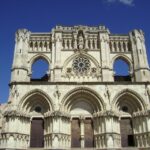
Then comes the cathedral. The Gothic-style Cuenca Cathedral is one of the city’s visual anchors, and seeing it from a panoramic angle helps you recognize it later when you’re walking. Even if you don’t go inside on this tour, the exterior landmarks give you a reference point.
Drawback reality check: a train tour is designed for sightseeing flow, not long lingering. When you’re on the move, you’ll likely get views and short moments to look, but not extended time for deep photo sessions. If you want time to photograph, plan to use your own time after the ride for the angles that matter most to you.
Casas Colgadas and the Huecar River: where expectations can clash
Let’s talk about the big draw: Casas Colgadas, the iconic “Hanging Houses” that project over the Huecar River. This is the stop most people expect to nail in one go, and the train does include it as a key part of the route.
What’s tricky is the difference between seeing Casas Colgadas and feeling like you’ve fully experienced them. Train tours often prioritize having you pass the views at the right points, but you may not get the level of access or time you want for prolonged viewing. In fact, some people felt the route didn’t hit the areas they most wanted, even though Casas Colgadas are part of the advertised highlights.
So here’s the practical way to plan: treat the train as a first look. You’ll get a strong sense of where the houses sit over the water, and that helps you decide whether to return for closer views. If Casas Colgadas are your top reason for coming to Cuenca, you may want to add extra time later in the day to explore at street level.
Photo tip: the Hanging Houses are all about height and contrast. You’ll likely do best by getting your bearings during the train ride, then shifting to the spots that give you a clean line to the facades.
Castle quarter: using the ride to connect the dots
Cuenca’s “castle quarter” is another highlight on this panoramic route. The value here is less about ticking off a checklist and more about understanding how the city’s power centers relate to the river and the old town.
When you add the castle quarter to the ride, you get a fuller sense of Cuenca’s vertical story: where people lived, where people defended, and how the river shaped both. It’s the kind of context that makes your later walking feel more intentional instead of wandering.
This is also where the train’s structure helps. Since the ride totals about 45 minutes and stops at multiple points, you can see a spread of areas without committing to an all-day hike. That’s useful if your goal is to balance sightseeing with rest, especially when you’re visiting in hot weather.
One caution: comfort can vary. If the cobblestones and speed bumps feel jarring to you, you might want to time the ride earlier in the day or pair it with calmer walking routes afterward.

Price and value: is about $8 really worth it?
At around $8 per person for a one-day, panoramic experience, the price-to-time ratio is strong. This isn’t a full-day guided tour with detailed on-foot explanations at every corner. It’s a focused introduction that saves you time and energy, and it includes headphones so you’re not left guessing what you’re looking at.
Here’s the value equation that makes sense for most visitors:
- If you’re short on time, the train helps you choose where to go next.
- If you’re not sure how steep or spread out the old town is, it gives you a workable overview.
- If you like stories, the audio guide’s legends add meaning without extra effort.
Where it may not be worth it is if you’re expecting the train to deliver long monument visits and deep inside-the-site touring. Since access to monuments isn’t included, the train works best as an orientation and view experience, not a replacement for ticketed entries.
Also keep in mind what’s included beyond the ride: it comes with compulsory travel insurance, plus the audio system and headphones. That’s part of what you’re paying for, and it reduces friction when you’re moving through an unfamiliar city.
Comfort, sound, and who should (and shouldn’t) choose this
This is where the feedback tends to split. Cuenca’s old town has surfaces that can be rickety on a moving vehicle, and the ride can feel uncomfortable for some people, especially over speed bumps. If you’re sensitive to bumps, consider your tolerance level.
Sound can be another issue. Some people found the commentary hard to hear at times even when they turned the volume up. That can happen when you’re dealing with noise, motion, and wind. If you’re hard of hearing or rely on clear audio, sit where you can best focus on your headphones and keep the volume higher than you think you need.
Who this suits best:
- You want a quick overview without committing to lots of uphill walking.
- You enjoy landmark storytelling while you’re moving.
- You’d rather start with views, then decide later where to go deeper.
Who might find it frustrating:
- You need lots of time at each spot to take photos, since train tours can be time-limited.
- You’re expecting the route to cover exactly the monument angles you had in mind, since train stops may not match your dream photo plan.
- You’re dealing with mobility limitations. The tour is not suitable for people with reduced mobility or wheelchair users, and the tour is specifically noted as not suitable for mobility impairments.
One last note: pets, smoking, and food in the vehicle are not allowed. So plan on small snacks and water outside if you need them.
When to go and how to plan your day around the train
Timing isn’t just about convenience; it affects comfort. The tour can feel hotter in warmer months, and if you’re already sensitive to heat, your best bet is to schedule this ride earlier when the streets are less intense.
Also build your day like this:
- Use the train first to get the city layout.
- Then pick your later stops based on what you recognized during the ride.
- Add extra time for the places you care about most, like the Huecar River viewpoints and the Hanging Houses area.
If you find you’re short on time and need to choose between “more sights” and “better photos,” the train helps you do the decision-making fast. It lets you spot what’s worth a closer look, instead of guessing.
Should you book the Cuenca Tourist Train Tour?
Book it if you want a low-effort way to understand Cuenca in one day. The combination of Plaza Mayor convenience, 5-language headphone audio, and stops at major landmarks like Cuenca Cathedral and Casas Colgadas makes it a smart value play, especially around that $8 price point.
Skip it or think twice if you strongly prioritize comfort, clear audio every second, or long monument viewing time. Since the ride doesn’t include monument access, you’ll still need separate plans if you want to go inside.
My practical takeaway: if you treat this train as an excellent orientation ride—then follow up with targeted walking afterward—you’ll get exactly what it’s best at.
FAQ
What is the duration of the Cuenca Tourist Train Tour?
The panoramic route takes approximately 45 minutes, and it’s offered as a one-day activity.
Where does the tour start and end?
It starts and ends at Plaza Mayor de Cuenca, in front of the cathedral.
How much does the tour cost?
The price is listed at about $8 per person.
What languages are available for the audio guide?
The audio guide is available in Spanish, English, French, German, and Italian.
Are monument entry tickets included?
No. The ticket covers the train panoramic tour and audio guide, but access to the monuments is not included.
Is food or smoking allowed during the ride?
No. Smoking and food in the vehicle are not allowed, and pets are also not allowed.
Is the tour suitable for wheelchair users or reduced mobility?
No. The tour is not suitable for people with reduced mobility or wheelchair users.
What’s included with the ticket?
Included: the tourist train panoramic ticket, personal headphones for the audio guide, and compulsory travel insurance.
Is there a way to cancel if plans change?
Yes. The tour offers free cancellation up to 24 hours in advance for a full refund.