REVIEW · MADRID
Madrid Old Town Private Walking Tour
Book on Viator →Operated by The guides you need · Bookable on Viator
Madrid’s old streets have layers.
This walking tour is a fast, story-driven way to get your bearings and understand how power, religion, and everyday life shaped the center of town. You’ll hear the kind of details that make famous landmarks click, from the quirks of Queen Isabel II to the shifting look of Madrid’s architecture over centuries.
My favorite part is the guidance. I like how the stops connect big themes to specific places, and the guides (Maria, Stefania, Belén, Alex, Fernando) keep the pace human and the explanations clear—plus they often share practical ideas for what to eat and drink right after the tour. I also like the group size: with a maximum of 10, you’re more likely to get personal attention than in a giant crowd.
One thing to consider: this is about orientation and stories, not slow, lingering visits. In 90 minutes you’ll cover a lot of ground, so you’ll want comfortable shoes and a mindset of listen-then-look.
In This Review
- Key highlights worth your time
- Plaza de Isabel II to Puerta del Sol: the smartest old-town route
- The 90-minute format: how to get value without rushing
- Isabel II and the monarchy stories that sit behind the stone
- The monarchy “behind walls”: seeing power close up
- The Cathedral viewpoint: one stop, many angles
- Saint Nicholas: one of Madrid’s oldest churches in plain terms
- The Army’s Cathedral and the square’s royal drama
- Architecture through time: what to watch since the 15th century
- Theatre, marketplaces, and even bullring echoes
- A 15th-century wall you can picture in your head
- Finishing strong at Puerta del Sol
- Value check: does the $77.89 price make sense?
- Who should book this walking tour
- Should you book this Madrid Old Town Private Walking Tour?
- FAQ
- How long is the Madrid Old Town Private Walking Tour?
- Where does the tour start and end?
- What is the price per person?
- Is the tour offered in English?
- What is the maximum group size?
- What is included in the tour?
- Can I bring a service animal?
- Is free cancellation available?
Key highlights worth your time
- Small-group feel with a max of 10, and it can get very intimate
- Prime start and finish at Plaza de Isabel II and Puerta del Sol
- Queen, monarchy, and church stories that turn landmarks into real people
- Cathedral viewpoints built into the walking route
- Architecture through time with a focus starting in the 15th century
- Old Madrid “what happened here” stops that include theatre, markets, and bullfighting references
Plaza de Isabel II to Puerta del Sol: the smartest old-town route
Most old-town tours feel like they start somewhere scenic and end wherever the guide can. This one is easier than that. You begin at Plaza de Isabel II and finish at Puerta del Sol, which puts you right back in the middle of Madrid’s daily flow—ideal if you want to walk on, grab tapas, or connect to transit.
The route also does a quiet job of “teaching the map.” As you move from one landmark area to the next, you start to see how Madrid’s core is built for walking and short hops, not big, straight-line sightseeing. By the time you reach Puerta del Sol, you’re not just tired. You’re oriented.
If you’ve been to Madrid before, this still works because it reframes familiar places with context. And if it’s your first time, it’s even better: you’re less likely to wander in the wrong direction when you set out on your own.
You can also read our reviews of more walking tours in Madrid

The 90-minute format: how to get value without rushing
The tour runs about 1 hour 30 minutes and is offered in English. That duration is long enough to tell meaningful stories at each stop, but short enough that you can still enjoy the rest of your day without turning sightseeing into a second job.
The “private” part in the title matters in practice. Reviews show the group can be tiny—sometimes just your party. Even when there are more people, the max group size keeps it conversational and flexible.
One practical tip: since it’s a walking tour with multiple stops, treat it like an active orientation session. You’ll get the best results if you keep your focus on the guide’s explanations while you look up at the buildings around you.
Isabel II and the monarchy stories that sit behind the stone
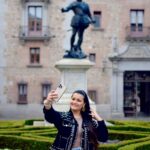
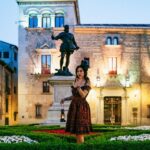
One early stop is all about Queen Isabel II, a ruler from 1833 to 1868. The guide doesn’t just drop dates and move on. You’ll learn why her reign is considered “peculiar,” and you’ll hear the kind of political and cultural pressure that shaped Madrid in her era.
This is where the tour earns its keep for first-timers. Madrid looks old, but not every visitor understands what “old” means in a city where power shifted often. Isabel II is a clear entry point into the monarchy’s story in the 1800s, and it sets you up to understand the next stop about the heart of the Spanish monarchy.
If you like political history but hate textbooks, this is the sweet spot. You’ll leave with stories that explain why certain areas felt important—not just that they were important.
The monarchy “behind walls”: seeing power close up
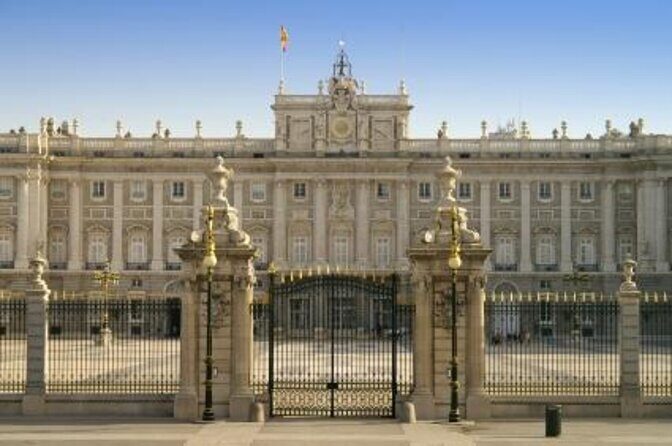
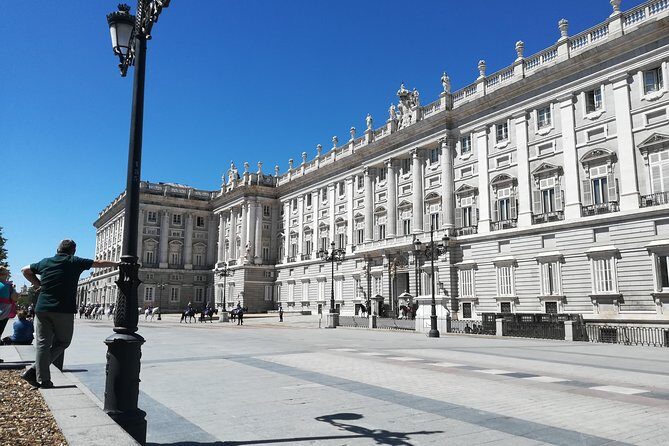
You’ll also stop to talk about the monarchy’s heart and the significant stories connected to it and its walls. This is the tour’s theme-builder moment. You start connecting the dots between who ruled, where they ruled from, and how architecture and public space reflect authority.
What I like here is the way the tour frames monuments as stages. People don’t just walk past these buildings—they’re shaped by them. Even if you don’t visit inside any structure, you’ll start noticing details you’d otherwise miss: how buildings face the street, how plazas and entrances create spectacle, and how the city organizes space around influence.
This is also a good checkpoint to adjust your own route for later. If you’re planning a self-guided follow-up, this stop helps you know what to look for and what to prioritize.
The Cathedral viewpoint: one stop, many angles
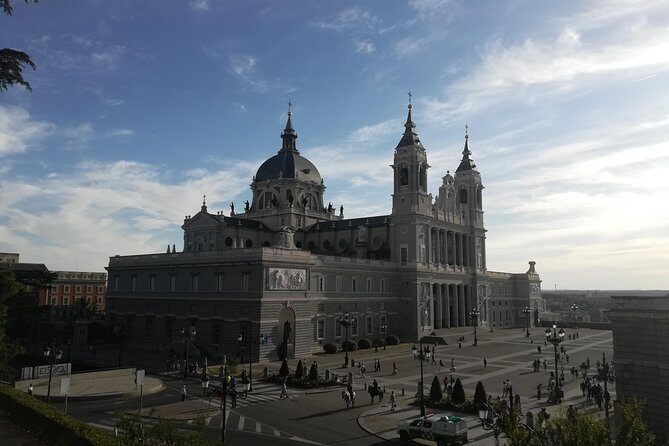
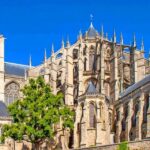
At another point, you’ll get the “best possible view” of the cathedral. That line matters. A lot of sightseeing fails because people only ever see landmarks from one front. This tour builds in a viewpoint change, so you can understand how the cathedral sits in the surrounding streets.
You’re not just photographing a big building. You’re learning how the city frames it. As you walk, the perspective shifts, and the guide’s commentary helps you notice the architectural logic behind the look.
Even if you think you’re “not an architecture person,” this part works because it’s practical. You’ll leave with a mental picture of where the cathedral dominates the skyline and how Madrid’s center funnels you toward that kind of landmark.
You can also read our reviews of more private tours in Madrid






Saint Nicholas: one of Madrid’s oldest churches in plain terms
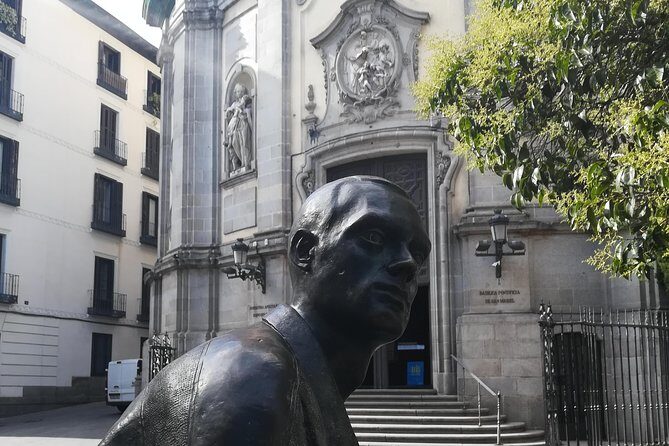
The tour includes a stop for one of Madrid’s oldest churches in Madrid, tied to Saint Nicholas. That’s a strong choice because it mixes age with identity. Churches like this aren’t just religious spaces. Over time they become anchors for neighborhood memory.
I like how this kind of stop helps you switch from “look at the building” to “understand what the building represents.” You get a sense of continuity—how Madrid’s present grew from older patterns of faith, community, and local life.
You don’t need to be a theology expert to enjoy it. The guide’s job is to translate the significance into human stories and recognizable ideas. If you enjoy hearing how one landmark connects to many layers of city change, this stop fits right in.
The Army’s Cathedral and the square’s royal drama
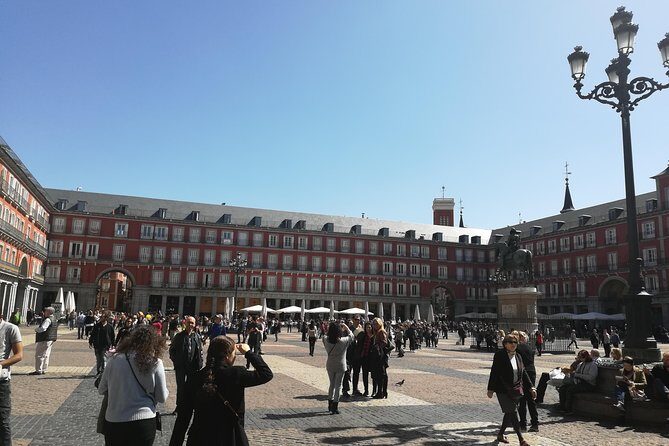
Another highlight is the Army’s Cathedral. The tour also points out that its square has stories about murder, kings, and queens. That combo is exactly why old-town walking tours can feel so alive.
Here’s the practical value: these stories teach you how to read a plaza. Streets and squares are not neutral. They’re where power gets performed, where conflict gets remembered, and where the city’s tone changes depending on who had the influence.
If you’re the type who likes a little dark history mixed with architecture, this is your stop. And even if you’re not, you’ll still benefit because it gives you a narrative hook. Suddenly the area isn’t just buildings and stone steps. It’s a place with momentum.
Architecture through time: what to watch since the 15th century
One stop is designed for contemplation—specifically, how Madrid and Spanish architecture have changed over time since the 15th century. This is the tour’s “slow down and see” moment.
You’ll learn how to spot transitions rather than just admire one style. The guide’s commentary helps you connect materials, proportions, and urban design choices to the centuries that shaped them. Instead of looking at facades as isolated art, you start seeing them as evidence of historical shifts.
This is where you can get your best takeaways for later. When you walk independently after the tour, you’ll have a set of questions ready: What changed? Why did it change? How does the city blend older forms with newer ambitions?
Theatre, marketplaces, and even bullring echoes
Another stop covers how Madrid’s history played out in everyday public spaces—mentioning the theatre, the marketplace, and even a bullring reference. This is a reminder that entertainment and commerce weren’t separate worlds. They happened in the same city, in the same streets, under the same sky.
I like this approach because it avoids the “only royal buildings matter” trap. Old Madrid wasn’t only palaces and churches. It was crowds, shows, bargaining, and public spectacle.
If you’re planning what to do next day by day, this stop helps you map the mood of different areas. You’ll feel more confident choosing where to wander because you’ll understand how those spaces were used historically.
A 15th-century wall you can picture in your head
The tour includes a stop about a wall from the 15th century—framed with the modern analogy of social media, which makes the story easier to remember. The point here is simple: walls and boundaries are how cities define themselves.
You’ll get context that helps you imagine what it meant to live inside city limits and what it meant when those boundaries changed. Even if the physical remains are small, the idea is big. You start understanding why Madrid’s center developed the way it did.
This is a great stop if you like “how cities work” history. It also helps you understand the city’s walkability today—because the logic of old defenses and old street patterns still affects where people naturally flow.
Finishing strong at Puerta del Sol
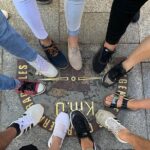
You wrap up at Puerta del Sol, the heart of Madrid in practical terms. It’s a huge advantage because you can keep going immediately. You don’t need to get back to a hotel zone or worry about your next connection.
Puerta del Sol is also where you can convert tour stories into your own walking plan. Want to keep chasing monarchy themes? Start nearby. Want local life and shopping energy? You’re in the right place.
I also like that the tour ends there because it feels like a mental reset. After 90 minutes of history and architecture, Sol gives you a clean launchpad for the rest of your day.
Value check: does the $77.89 price make sense?
At $77.89 per person for about 1.5 hours, this isn’t the cheapest way to walk in Madrid. But it also isn’t trying to be.
The value comes from three things you can’t reliably replace on your own:
1) A professional guide who connects stops into a story, not a list
2) A small group (max 10), which keeps the experience more personal
3) A route that ends in the perfect spot for continuing your day
Think of it like this: if you’re spending a limited time in central Madrid and you want the city to make sense fast, a guided orientation pays off quickly. If your plan is to spend hours exploring on your own with a guidebook and you don’t care about context, then you might feel the price more.
Based on the consistently high ratings and the repeated praise for guides like Maria, Stefania, Belén, Alex, and Fernando, the core bargain is clear: you’re paying for attention, pacing, and clarity—especially for travelers who want Madrid to click before they wander.
Who should book this walking tour
This tour is a strong fit if you want:
- A first-time orientation to Madrid’s old center
- A guided mix of monarchy stories, churches, and city architecture
- A small-group experience where you can actually ask questions
- An easy start/end anchor at Plaza de Isabel II and Puerta del Sol
It’s also a good option if your schedule is tight. With a 90-minute window, you can pair it with museums later or keep exploring neighborhood streets after.
If you dislike walking or you need long seated breaks, you may find the format a bit intense. You’ll still probably enjoy the stories, but it may not match your rhythm.
Should you book this Madrid Old Town Private Walking Tour?
Yes, if you want your Madrid to feel like a place with reasons, not just a collection of sights. This is built for people who like to understand what they’re looking at while they’re looking at it.
I’d book it when you’re arriving and want a fast mental map, or when you’re back in Madrid for a second trip and you want the familiar parts to feel new again. If you’re trying to choose between a free self-guided stroll and a guided session, the guide-driven storytelling and the central finish at Puerta del Sol make this one a practical “spend smart” pick.
If you tell me your travel dates and whether this is your first trip to Madrid, I can suggest the best way to pair it with your next sights and meals.
FAQ
How long is the Madrid Old Town Private Walking Tour?
It lasts about 1 hour 30 minutes.
Where does the tour start and end?
It starts at Plaza de Isabel II (Pl. de Isabel II, Centro, 28013 Madrid) and ends at Puerta del Sol (Centro, Madrid).
What is the price per person?
The price is $77.89 per person.
Is the tour offered in English?
Yes, it is offered in English.
What is the maximum group size?
The tour has a maximum of 10 travelers.
What is included in the tour?
A professional guide is included.
Can I bring a service animal?
Yes, service animals are allowed.
Is free cancellation available?
Yes. You can cancel for a full refund up to 24 hours in advance of the start time.