REVIEW · MADRID
Private walking Tour: The oldest taverns of Madrid
Book on Viator →Operated by Ventana a la Cultura · Bookable on Viator
Some cities teach you fast. Madrid does it through taverns.
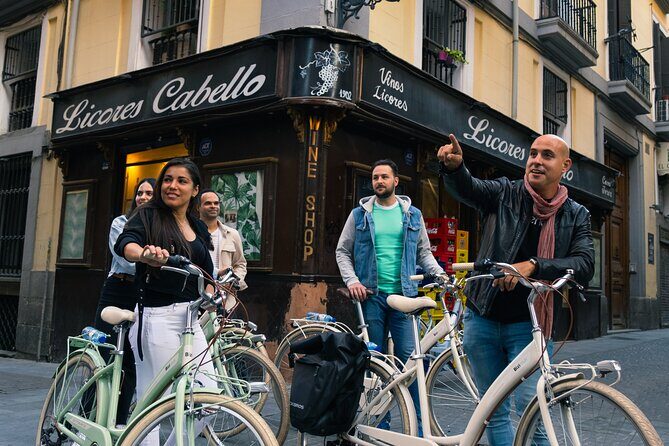
This private walking tour threads together ages-old Madrid spots with stories you won’t pick up from a guidebook. I love that you get both the high-end and the popular side of the city, plus the walk stays focused on real places where people once gathered and still do. I also like the human touch: guides like Diana and Guido are described as enthusiastic, and you’ll hear connections and local details that make each doorway feel alive. One thing to consider: you only get a limited tasting (one drink and one tapa at the first and last stop), so come hungry, but don’t expect a full meal.
You’ll start near Puerta del Sol and move through some of central Madrid’s most historic addresses at an easy walking pace. The tour is private, so it’s built for your group, not a cattle system. The main drawback is simple: on busy days (especially weekends), the area can be crowded, and you may spend some time stepping around foot traffic even though the guide is moving you efficiently.
In This Review
- Key highlights before you go
- Taverns as a street-level history lesson
- Price, pace, and why private works here
- Meeting near Puerta del Sol, then walking into old Madrid
- Stop-by-stop: what each historic door teaches you
- Lhardy Restaurante (1839): the palace-inside feeling
- Casa Labra (1860): tapas, beer, and politics
- Petit Palace Posada del Peine (1610): when an inn isn’t a tavern
- Restaurant Booty (Guinness-famous oldness): oldest-restaurant energy
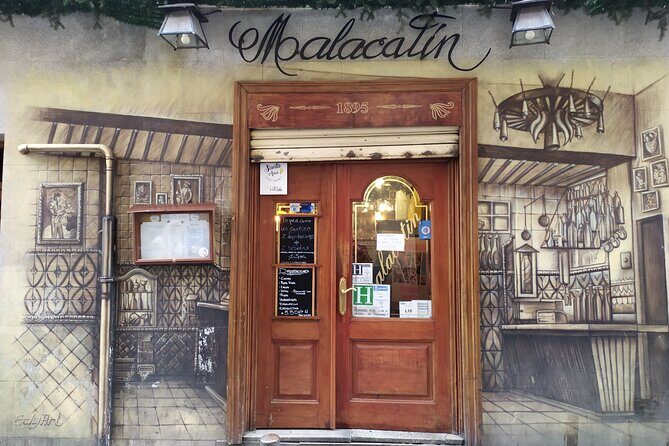
- Malacatín (1895): traditional tavern personality with bullfighting ties
- Taberna Antonio Sánchez (1787 and 3 centuries): the three-century wine story
- What’s actually included: tastings that set the tone
- How to make the tastings work for your day
- Guides make it: Diana and Guido’s effect
- Timing and comfort: when crowds matter
- Who should book this old tavern walk?
- Should you book this tour?
- FAQ
- How long is the tour?
- What does the tour cost per person?
- Where is the meeting point?
- Is pickup available?
- What food and drinks are included?
- How many stops are included?
- Is the tour in English?
- Does it end at the same place as it starts?
- What is the cancellation policy?
Key highlights before you go
- Six historic stops that explain how Madrid’s tavern culture grew over centuries
- One drink and one tapa at the first and last places for a clear taste of the experience
- Insider-style ordering and context, so you know what you’re looking at (and why locals care)
- English-language private guiding, with guides like Diana and Guido called out for energy and depth
- Convenient start at Puerta del Sol and an end in a different location, which helps you keep sightseeing
- A mix of aristocratic and popular venues, so you see Madrid’s full social range
Taverns as a street-level history lesson
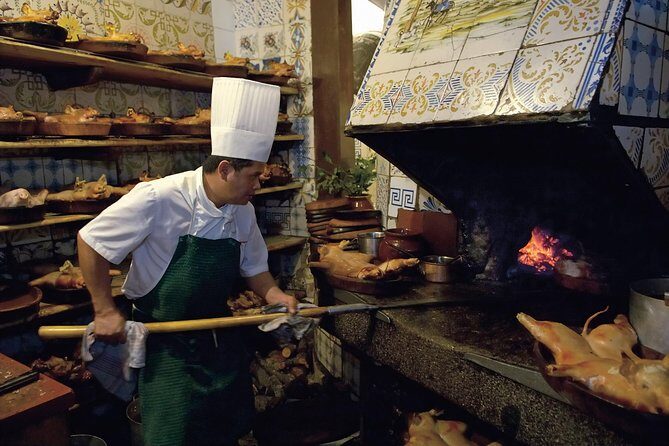
Madrid has a knack for turning everyday life into theater. That’s exactly what you get here: six stops that show how taverns, inns, and eating-houses shaped neighborhoods, politics, and even entertainment.
The best part is the angle. Instead of just saying a place is old, the tour frames what those places meant when they opened—who went there, what people ate and drank, and what kind of Madrid life they supported. You also learn that the terms get mixed up in real life. A place might feel like a tavern today, but the original purpose could have been closer to an inn or a meeting point.
If you want an easy way to get your bearings in Madrid’s center, this is a smart match. It’s also great when you love “small” details: a doorway that’s been there for centuries, a tradition that links to bullfighting, or a venue with a surprising connection to Spanish politics.
You can also read our reviews of more walking tours in Madrid



Price, pace, and why private works here
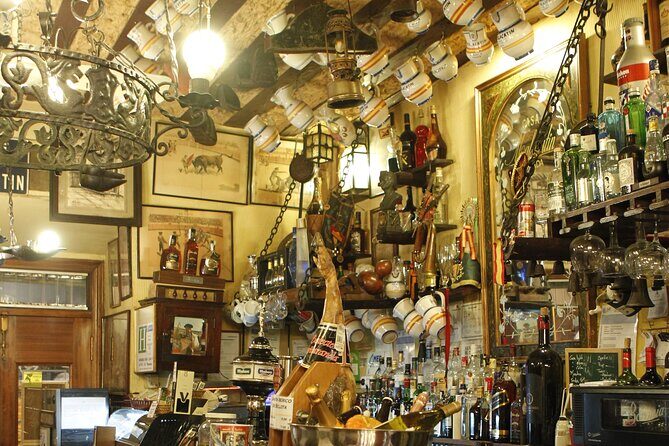
At $152.59 per person for about 1 hour 50 minutes to 2 hours 30 minutes, this isn’t the cheapest walking tour in Madrid. But it does deliver something you can feel: guided time inside historic places and a structured route that keeps you from wasting hours wandering.
Private guiding helps because these stops aren’t just museums. Taverns are working businesses. When your guide has relationships with the places, you’re more likely to get smoother timing and a better flow through the neighborhood.
The pacing is also built for walking in central Madrid. You’ll spend short bursts at each stop—enough time to hear the story and take in the room—without turning it into a long sit-down meal. One consideration: because the tasting is limited (two drinks and two tapas total), you’ll still want to plan a proper lunch or dinner after.
Meeting near Puerta del Sol, then walking into old Madrid
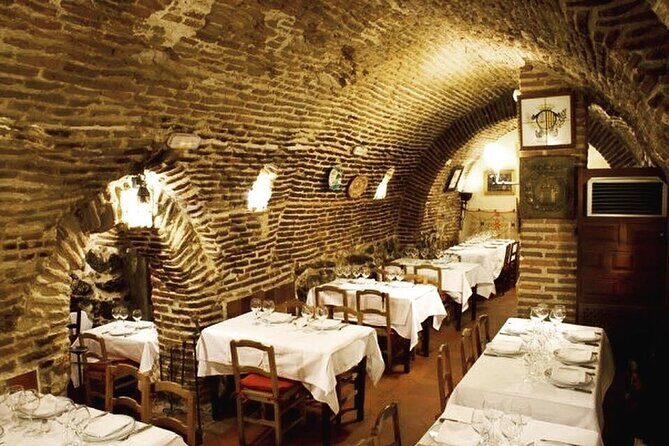
You meet at Rodilla, Puerta del Sol 13 in the Centro area. That’s a good spot because Puerta del Sol is one of Madrid’s easiest starting points for transit and foot traffic. If pickup is offered for your booking, you can use it to reduce the hassle of getting to the exact meeting corner.
The tour ends somewhere else, not back at Puerta del Sol. That’s normal for a walking route, but it matters for your planning. I like this setup when I’m continuing sightseeing afterward, because it saves me from backtracking. If you have a strict reservation later, just double-check where the tour finishes so you’re not sprinting across town.
You’ll also want to bring your walking shoes. Even with a short route, central Madrid sidewalks can get busy, especially on weekends. The good news: your guide is moving you through a set path, so it feels organized rather than random.
Stop-by-stop: what each historic door teaches you
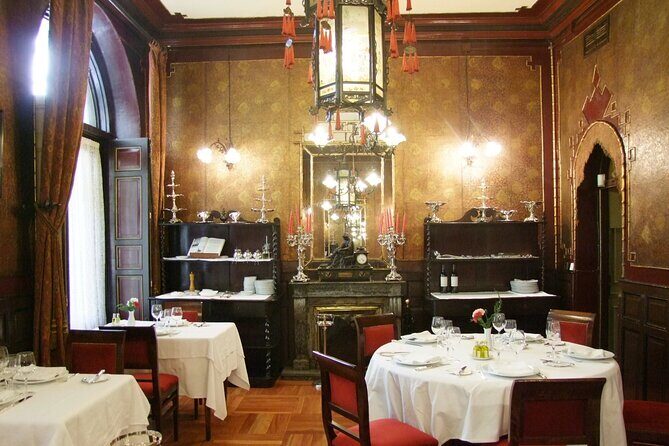
Lhardy Restaurante (1839): the palace-inside feeling
The tour begins at Lhardy Restaurante, founded in 1839. This place is famous for attracting the high Madrileña aristocracy, including kings, but also artists, writers, and intellectuals. In other words, it wasn’t just a snack stop—it was a social stage.
What I like about this opening stop is how it sets contrast. You start in a venue that feels grand and almost theatrical, which makes the later tavern stops land harder. The guide’s explanation helps you understand why certain rooms and rituals mattered to upper-class Madrid.
You’ll get about 30 minutes here, with the admission ticket listed as free for the experience. That’s enough time to look around and settle in before the tour shifts into more working-class tavern culture.
Possible drawback: this stop can feel more formal than the ones that follow, so if you’re expecting a loud, casual atmosphere right away, you might need a minute to switch gears.
You can also read our reviews of more private tours in Madrid






Casa Labra (1860): tapas, beer, and politics
Next is Casa Labra, a tavern dating to 1860. It’s described as having a very popular character and a long habit of people meeting for tapas and beers at a good price.
The story angle here is the key. There’s a curious connection to Spanish politics, and the tour uses that link to show how these everyday places could still sit near big national conversations. That’s a pattern you see across Spain: politics doesn’t only happen in palaces; it also happens in places where people regularly gather.
You’ll have about 10 minutes at this stop. It’s short, but it works because the tour keeps momentum. You’ll get the main story beats and likely a feel for why locals have kept coming back.
What to consider: because time is tight here, be ready to listen closely. If you’re the type who likes to wander and read every plaque, you may feel slightly rushed.
Petit Palace Posada del Peine (1610): when an inn isn’t a tavern
Then you get a smart curveball: Petit Palace Posada del Peine, one of Madrid’s oldest businesses dating to 1610. It’s not a tavern, but it’s included for a reason—it helps you understand the difference between inns and taverns and how popular lodging and eating evolved.
This is where the tour helps your brain connect dots. A tavern isn’t just a place to drink; it’s also a social system—where people swap news, talk trade, and build community. An inn served other needs, especially for travelers and people moving through town.
You’ll spend about 10 minutes here. It’s compact, but it prevents the tour from turning into a simple “old food stops” parade.
Restaurant Booty (Guinness-famous oldness): oldest-restaurant energy
Stop 4 is Madrid Restaurant Booty, described as the oldest restaurant in the world, recognized by Guinness World Record. Even if you don’t care about records, that kind of longevity changes your perspective. It tells you people kept returning for generations, which usually means service, food, and identity stayed relevant.
The tour gives about 15 minutes here. That’s enough to absorb the significance and understand how a single address can become an institution in a city’s everyday life.
One small consideration: Guinness-style fame can make a place more tourist-facing than the truly local taverns. The guide’s framing is what keeps it from feeling like a generic stop.
Malacatín (1895): traditional tavern personality with bullfighting ties
Next is Malacatín, founded in 1895. This stop is described as one of the most traditional taverns in Madrid, with strong personality and connections to the world of bullfighting.
If you like places tied to Spanish cultural life—not just food—this is one of your better stops. Bullfighting is controversial today, but historically it shaped conversations, fashion, and identities in parts of Spain. The tour’s explanation helps you see those links without turning it into a lecture.
You’ll get about 20 minutes at Malacatín. That’s a comfortable chunk of time to hear the story and appreciate the tavern vibe.
Taberna Antonio Sánchez (1787 and 3 centuries): the three-century wine story
The last stop is Taberna Antonio Sánchez, described as the tavern of three centuries. The text says it was founded by a bullfighter in 1884, but there was an earlier tavern dating back to 1787—and yes, it’s called out as La Taberna más antigua de Madrid.
This is also where the tour includes the tasting piece again: one drink and one tapa at the first and last taverns, so you end with two drinks and two tapas per person total.
A fun detail the tour highlights: their French wine may not be what you expect. You’ll hear the reasoning and likely get an idea of how Spanish taverns label and interpret things in their own way. That’s exactly the type of moment that makes a guided stop worth it. You don’t just consume—you understand what you’re consuming.
You’ll spend about 20 minutes here, and the payoff is that you end on a strong note: deep age, strong identity, and a taste that feels like part of the story rather than an afterthought.
What’s actually included: tastings that set the tone
The included items are clear and useful: snacks with one drink and one tapa at the first and last tavern. That means two drinks and two tapas per person in total.
This is valuable for two reasons. First, it gives you a real taste of tavern life without forcing you to commit to a full sit-down meal at every stop. Second, it sets you up to order better later. Once you’ve learned how the guide frames tapas and local drink culture, you’ll likely feel more confident when you return to these places for lunch or dinner.
If you’re a big-eater, plan food after the tour. Think of this as the opening tasting, not the entire day’s eating plan.
How to make the tastings work for your day
Because the tour includes only two tapas, you can treat it like a guided sampler for direction. Here’s how I’d plan it:
- Have a lighter breakfast or skip a heavy meal beforehand. You’ll appreciate the tapas more.
- After the tour, aim for lunch or early dinner nearby, because the tasting locations are in central Madrid.
- If you’re picky about drinks or have dietary limits, you’ll want to clarify preferences during the tour. The structure is simple enough that you can ask questions.
The crowd factor can also affect what you feel like ordering. On weekends the area can be busy, so keeping the first and last tastings as included stops helps you avoid the stress of finding food on your own.
Guides make it: Diana and Guido’s effect
Two guide names show up in the experience as standout examples: Diana and Guido. Both are described as pleasant and enthusiastic, with a focus on history plus practical guidance for what to try.
A key detail I take seriously from this kind of feedback is that the guide doesn’t just talk history. They help you understand local perspective. When someone knows the taverns and the route, you often get smoother timing and access to places or spots you’d miss alone.
That also explains why people can come back later. When you leave with context, you’re more likely to return and feel like you’re stepping into a living neighborhood, not checking boxes.
Timing and comfort: when crowds matter
The tour is about a couple hours, so timing isn’t about endurance—it’s about atmosphere. If you go on a weekend, central Madrid can feel packed. The advantage of a guided route is that you’re not left improvising while juggling crowds.
Wear comfortable shoes, since the tour is walking-based. Bring water if it’s hot; the tour duration is short, but you’re still moving through sun and traffic near major streets.
Also remember: it ends in a different location. Have your next stop ready. A good strategy is to choose a nearby attraction or meal reservation before you start the tour, so you’re not stuck guessing where to go next.
Who should book this old tavern walk?
Book it if you want:
- A fast way to understand Madrid through food culture and social history
- A private tour where your group gets the guide’s full attention
- A guided route through classic stops in central Madrid without spending hours planning
You might skip it if you:
- Want a food-heavy tour with lots of tastings (this one is intentionally limited)
- Hate any walking in crowded areas (central Madrid can be busy)
- Prefer museums over working eateries (some stops feel like you’re watching real daily life)
Should you book this tour?
Yes, I’d book it if your goal is to start your Madrid trip with street-level context. The included tastings are enough to get the taste of tavern culture, and the route across very different types of places helps you understand how Madrid’s social life worked across classes.
If you’re the kind of traveler who enjoys history, but only when it connects to real rooms and real routines, this fits well. Just go in knowing it’s a guided walk with focused stops—not an all-you-can-eat food marathon—and you’ll get exactly what it promises.
FAQ
How long is the tour?
It runs about 1 hour 50 minutes to 2 hours 30 minutes (approx.).
What does the tour cost per person?
The price is $152.59 per person.
Where is the meeting point?
You start at Rodilla, Puerta del Sol 13, Centro, 28013 Madrid, Spain.
Is pickup available?
Pickup is offered, depending on your booking details.
What food and drinks are included?
One drink and one tapa are included at the first and last taverns, for two drinks and two tapas per person total.
How many stops are included?
The tour includes six stops.
Is the tour in English?
Yes, it’s offered in English.
Does it end at the same place as it starts?
No, it ends in a different location.
What is the cancellation policy?
You can cancel for a full refund up to 24 hours in advance of the experience start time. Free cancellation is available per the policy terms.