REVIEW · MADRID
Private guided tour Royal Palace & Royal Collections Gallery
Book on GetYourGuide →Operated by DE PASEO · Bookable on GetYourGuide
The Royal Palace feels like a living stage. This private guided tour pairs the Royal Palace (still used for state ceremonies) with the new Royal Collections Gallery, so you see how Spain’s monarchy shows itself in rooms and in art. You’ll spend four hours with an expert guide focused on the standout spaces and the objects that explain power, taste, and politics over centuries.
Two things I really like: you get the big visual hits (like the Polyptych of Isabel la Católica by Juan de Flandes) and you also get the story behind them, not just the label on the wall. I also love that you’re not stuck in one building. You move from royal apartments and frescoed rooms to the Royal Collections Gallery’s selection of more than 650 works, with major names like El Greco, Caravaggio, Velázquez, Tiepolo, and Goya.
One drawback to consider: it’s a packed format. The tour aims to show you the “best of” in a short window, so you’ll be doing some walking and you won’t have the hours to linger in every corner.
In This Review
- Key highlights worth planning for
- Entering Madrid’s Royal Palace and its ceremonial route
- The main staircase and the monarchy’s public face
- The Royal dining room and the private spaces of power
- Art and music details that make the Palace feel real
- Royal Collections Gallery: the museum project built for the big names
- The Polyptych of Isabel la Católica and the Gallery’s “why”
- Charles V’s armor and helmet: history you can almost touch
- Porcelain room and frescoed royal spaces
- What you’re really paying for (and why it can be good value)
- Tour pacing and who should book it
- Practical tips so you get the most from the day
- Should you book the Royal Palace and Royal Collections Gallery tour?
- FAQ
- FAQ
- How long is the Royal Palace and Royal Collections Gallery private guided tour?
- Where does the tour start and where does it end?
- What is included in the price?
- Do I need to buy tickets in advance?
- What languages are the guides available in?
- Is the tour private?
- Is the tour wheelchair accessible?
- What’s the cancellation policy?
Key highlights worth planning for
- Skip-the-line access so you can start looking at art and rooms sooner
- Polyptych of Isabel la Católica (Juan de Flandes) as a must-see centerpiece
- Charles V’s armor and helmet from the Battle of Mühlberg for a sharper, real-world link to history
- Royal Palace rooms still tied to state ceremonies, including the route from grand staircases to private spaces
- Royal Collections Gallery with 650+ works across paintings, sculpture, armor, tapestries, decorative arts, and signed floats
- A guide who can adapt language and pacing, including English and Spanish, and support for mobility needs
Entering Madrid’s Royal Palace and its ceremonial route

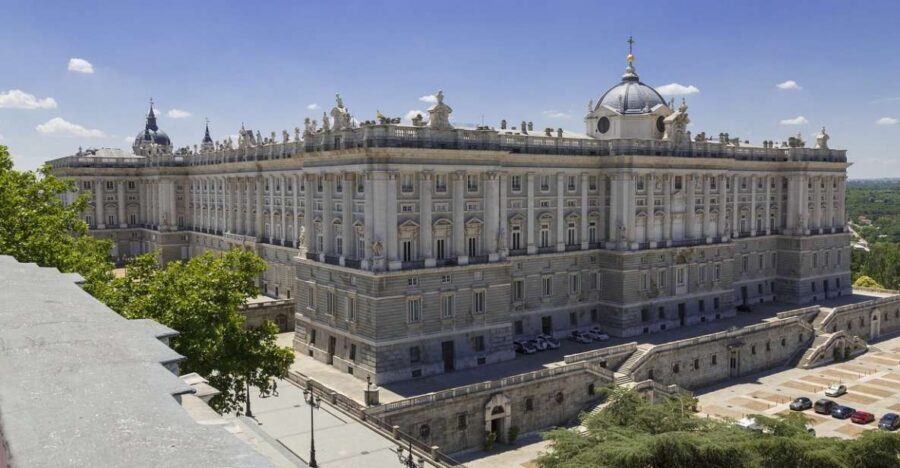
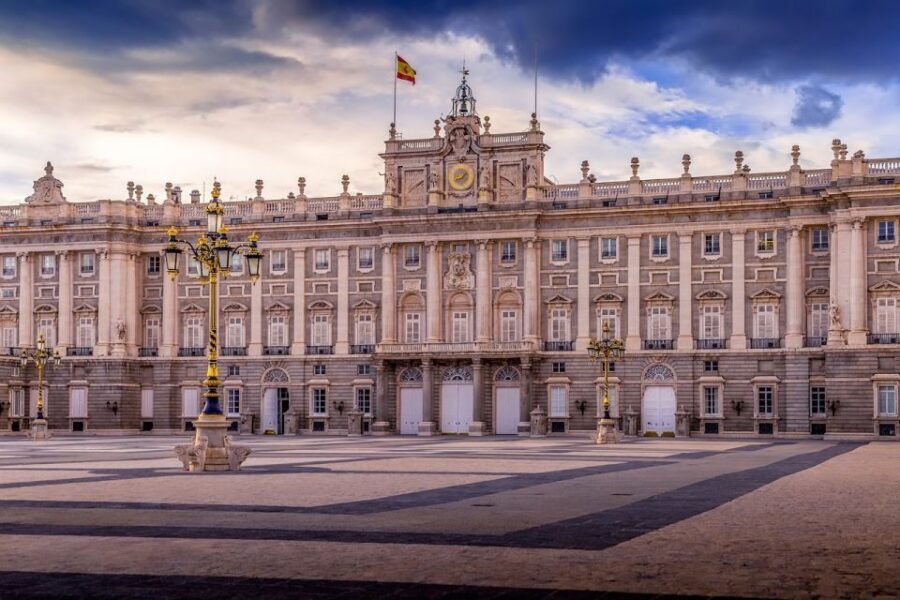
The Royal Palace of Madrid is one of those places where you quickly understand the difference between decoration and authority. Yes, you’ll see rooms meant to impress. But since it’s currently used for state ceremonies and solemn acts, the visit feels less like a dead museum and more like a set that the monarchy still knows how to use.
Your tour starts at Isabel II Square, also called Ópera Square. This matters because the Palace is spread out and you’ll want your bearings fast. From there, the big advantage is that your guide keeps you moving with purpose, so you don’t waste your energy hunting for the next room.
Inside, one of the first surprises is the scale. The Palace has more than 2,500 rooms, which is hard to picture until you’re there. But the tour isn’t “see everything.” Instead, you follow a curated route that hits what most helps you grasp how kings and queens lived, hosted, and performed Spain for the world.
You can also read our reviews of more guided tours in Madrid


The main staircase and the monarchy’s public face
One stop that frames the whole visit is the grand main staircase that leads from the entrance toward the King’s apartments. Staircases in palaces aren’t just architecture. They’re choreography. You’ll see how movement through space signals rank, ceremony, and visibility.
From there, the tour continues into key rooms that connect the Palace to today’s monarchy. One highlight is the King’s apartments area connected to international meetings where Felipe VI receives foreign leaders who visit Spain. Even if you don’t know the political details, the setting tells the story: this is where relationships get staged as formal, official, and unforgettable.
A possible drawback: the Palace layout means you’ll experience peaks and pauses. You might be moving from open, bright spaces into more enclosed rooms where it’s harder to step aside for photos. If you’re sensitive to crowds or tight corridors, it helps to keep your photo expectations practical and let the guide point you to the best angles.
The Royal dining room and the private spaces of power
After the more public-facing rooms, you shift toward what feels more human: spaces tied to daily rituals and private life, still grand but less about performance for an audience.
You’ll see rooms near the Great Gala Dining Room, which is prepared to accommodate 144 diners. That number sounds abstract until you picture the logistics: place settings, staff, timed arrivals, and the careful order of seating. It’s a reminder that royal life wasn’t just portraits and crowns. It was operations, hosting, and a kind of national theater.
Then the tour heads toward the most private rooms of the King and Queen next to that gala dining area. This is where the Palace starts to feel personal. The guide’s job here is huge: you’re not just looking at furniture. You’re learning why these rooms exist, how they were used, and what kinds of moments belonged in each space.
Art and music details that make the Palace feel real
I love when a big historic site includes a detail that feels almost domestic. In the Royal Palace, you get that through objects that were meant to be used, heard, and lived with.
One standout: the Palace has Stradivarius musical instruments that are more than 300 years old. Even if you never hear them, seeing them in context helps you understand the monarchy’s relationship with music as status and culture.
Another excellent detail is how the tour connects the Palace’s splendor to Spanish crafts. You’ll encounter precious embroidered tapestries connected to the Santa Bárbara tapestry factory in Madrid. The point isn’t just that the objects are beautiful. It’s that this kind of luxury depended on specialized artists and ongoing production, not just money.
Royal Collections Gallery: the museum project built for the big names
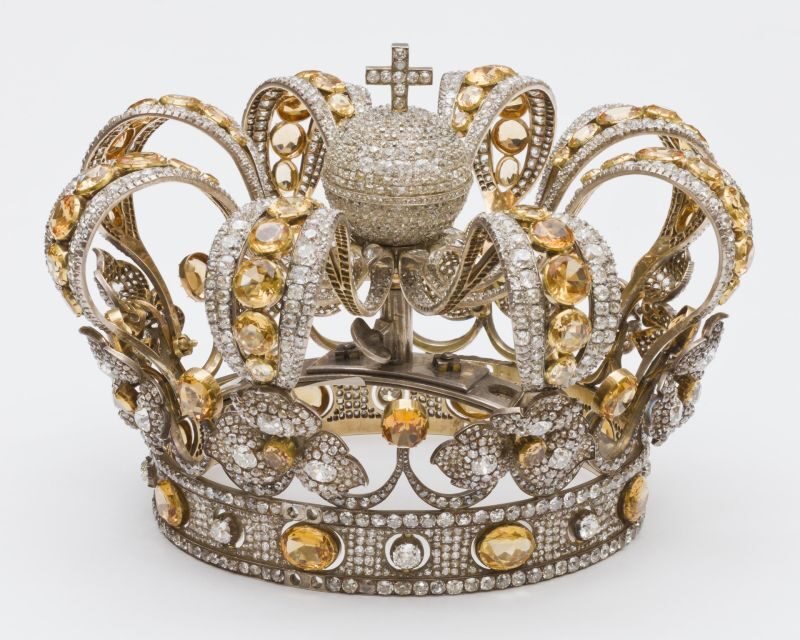
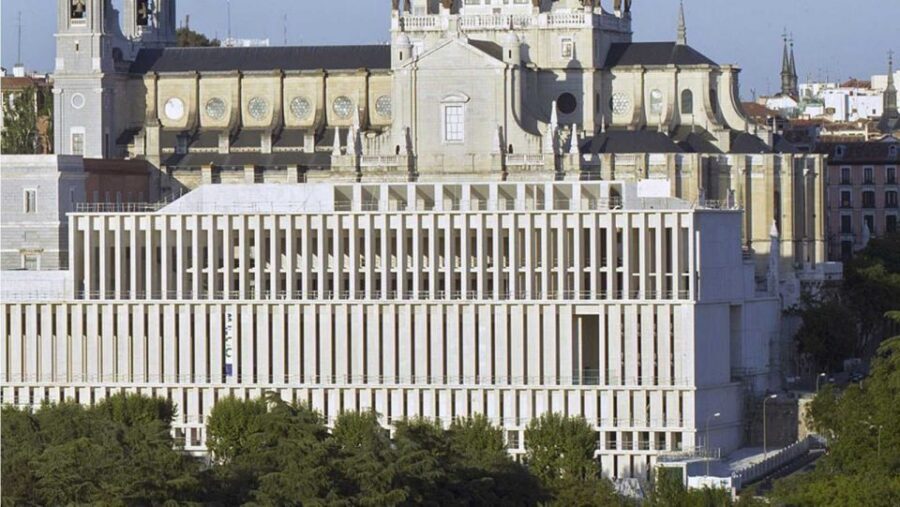
After the Palace, you move into the new Royal Collections Gallery. Think of it as the second half of the lesson: if the Palace shows you power in architecture and ceremony, the Gallery shows you power through collections and masterpieces.
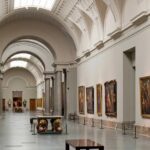
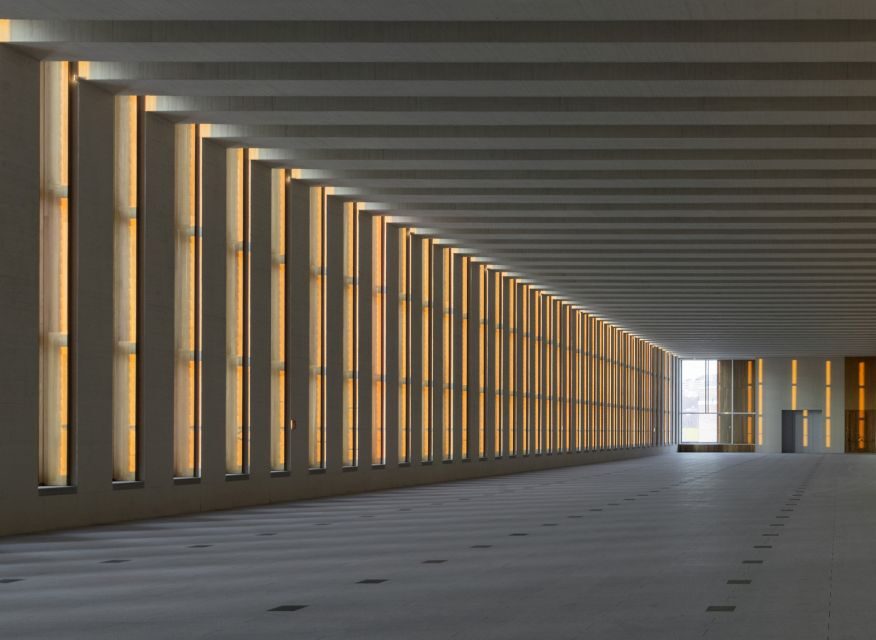
This building is described as the most important museum project in Spain in decades, and you feel that intention in how the works are presented as a system. Your guide walks you through a selection of more than 650 works across categories like paintings, sculpture, armor, tapestries, decorative arts, and even floats signed by artists of major stature.
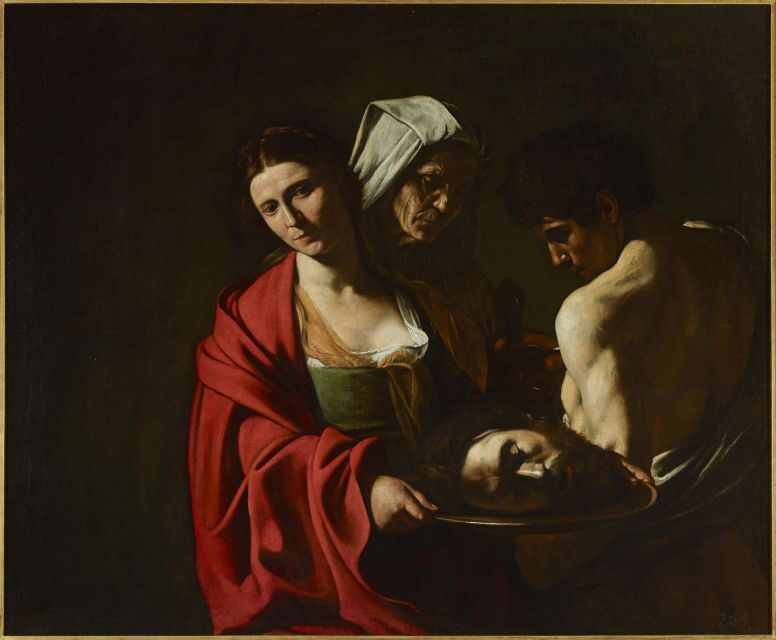
The artist list alone helps you decide who this tour is for. You’ll see work connected to El Greco, Caravaggio, Velázquez, Tiepolo, and Goya. If you like Spanish art, you’ll appreciate the range. If you like European painting, you’ll appreciate how the monarchy’s taste connects different eras and styles under one roof.
You can also read our reviews of more private tours in Madrid






The Polyptych of Isabel la Católica and the Gallery’s “why”

One of the Gallery highlights is the Polyptych of Isabel la Católica by Juan de Flandes. A polyptych is the kind of object that looks impressive, but the story is where it becomes memorable.
Your guide’s explanation helps you see why this matters: it isn’t just a religious or decorative work. It’s tied to a specific political and royal context, linked to the way monarchs used art to signal authority, legitimacy, and spiritual power all at once.
The value here is timing. In a standard museum visit, you might glance at a major artwork and move on. With a guide, you get the “so what,” so the work sticks in your mind when you leave.
Charles V’s armor and helmet: history you can almost touch
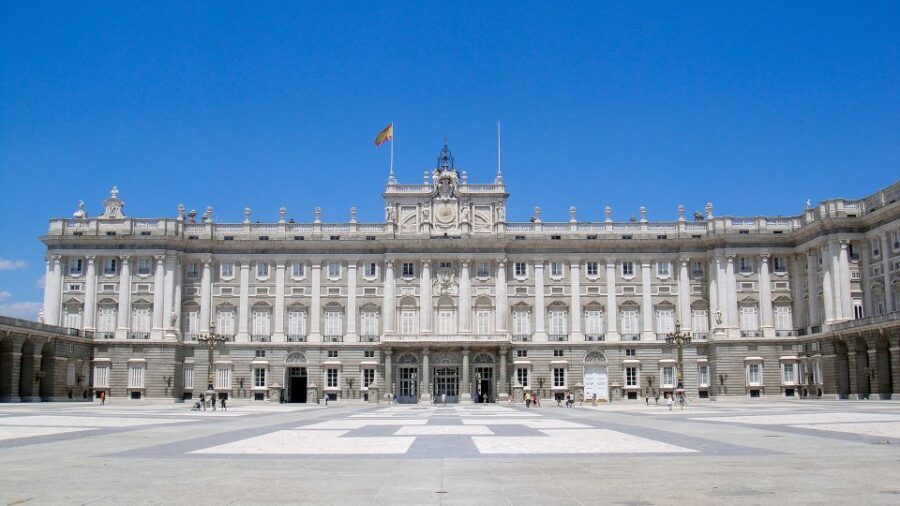
Another big hit is the armor and helmet used by Charles V at the Battle of Mühlberg. Objects like this do a special job. They compress time.
When you see battlefield gear, you stop thinking about history as a set of dates. You start thinking about weight, metal work, practicality, and fear—how real combat changes everything. It’s a strong contrast to frescoed rooms and formal portraits, and it gives the tour more emotional texture.
If you’re trying to choose between art-first and history-first visits, this stop helps you get both in one afternoon.
Porcelain room and frescoed royal spaces
The Gallery also includes rooms that are less about single famous objects and more about total visual impact.
You’ll visit a Porcelain Room, where decorative arts become the star. This is a reminder that royal collections weren’t only paintings. Luxury also lived in materials—ceramics, ornamentation, craftsmanship, and the way these objects filled space.
Then comes the Royal Chapel frescoed by Corrado Giaquinto. Frescoes can feel overwhelming if you don’t know what you’re looking at. With a guide, you get a way in. You learn how the artwork transforms the chapel space and how it relates to the religious and ceremonial role of the monarchy.
Finally, the tour ends at the Throne Room, with a wonderful fresco by Giovanni Battista Tiepolo. Ending here makes sense. It brings you back to the theme of the whole day: power as image, power as ritual, power as art.
What you’re really paying for (and why it can be good value)

At $169 per person for about 4 hours, this tour isn’t the cheapest option in Madrid. But it can be good value because you’re buying three things at once:
First, you get an expert guide with English or Spanish who focuses on the most important rooms and works, so you don’t waste time guessing where to go. Second, you have skip-the-ticket-line access, which matters in a high-traffic site like the Royal Palace area. Third, you get tickets for both the Royal Palace and the Royal Collections Gallery, covering two major attractions that would take real planning to combine on your own.
Add in the fact that it’s a private group, and the experience tends to run more smoothly and more personally. One practical example from the guide styles you may encounter: a guide named Eva has been described as able to switch between Spanish and English while keeping the pacing informative, and also being sensitive to mobility needs and finding solutions so people can fully participate.
Tour pacing and who should book it
This experience fits best if you want to see the heart of the Royal Palace and a big slice of the Royal Collections Gallery without spending your whole day in ticket lines and decision-making.
It’s a strong choice for:
- art lovers who want named highlights and context, not just rooms
- history-focused travelers who like connecting artifacts to real events (like Mühlberg)
- couples and small parties who like a guide to set the route and pace
- anyone who benefits from private guidance, including wheelchair accessibility
It might feel less ideal if you’re the type who wants to roam freely for hours on your own and stare at a single painting for an entire afternoon. This tour is designed to show you the big, meaningful parts of both sites in a 4-hour block.
Practical tips so you get the most from the day
- Wear shoes you can walk in. Even when the tour is efficient, palaces still mean corridors and stairs.
- If you care about photos, plan to grab them during transitions. Some rooms have angles that are hard to frame once you’re inside a crowd of people.
- Bring a short list of interests. For example, if you love Spanish painting, ask the guide to point out where it shows up most strongly in the Gallery route.
- Go with curiosity about craftsmanship. The tour highlights things like the Santa Bárbara tapestry factory and porcelain arts for a reason: they’re part of how luxury got made.
Should you book the Royal Palace and Royal Collections Gallery tour?
I’d book it if you want a guided, organized day that connects the Royal Palace’s ceremonial life to the Royal Collections Gallery’s masterpieces, with real context for the standout works. The mix of stops hits different interests: throne-room art, royal living spaces, battlefield armor, and major frescoes by artists like Tiepolo and Giaquinto.
You might skip it if you’re already comfortable building your own route and you prefer slow, unscripted museum time. In that case, you could do each site separately and spend more time lingering. But if you want the quickest path to the most meaningful highlights, this private combo is one of the more sensible ways to do both in one afternoon.
FAQ
FAQ
How long is the Royal Palace and Royal Collections Gallery private guided tour?
The tour lasts 4 hours.
Where does the tour start and where does it end?
It starts at Isabel II Square (Ópera Square) and ends back at the same meeting point.
What is included in the price?
You get an expert live guide, a ticket for the Royal Palace, and a ticket for the Royal Collections Gallery.
Do I need to buy tickets in advance?
No. Your tour includes the tickets, and it also offers skip the ticket line.
What languages are the guides available in?
The live tour guide is available in English and Spanish.
Is the tour private?
Yes, it’s a private group tour.
Is the tour wheelchair accessible?
Yes, it’s wheelchair accessible.
What’s the cancellation policy?
You can cancel up to 24 hours in advance for a full refund.